
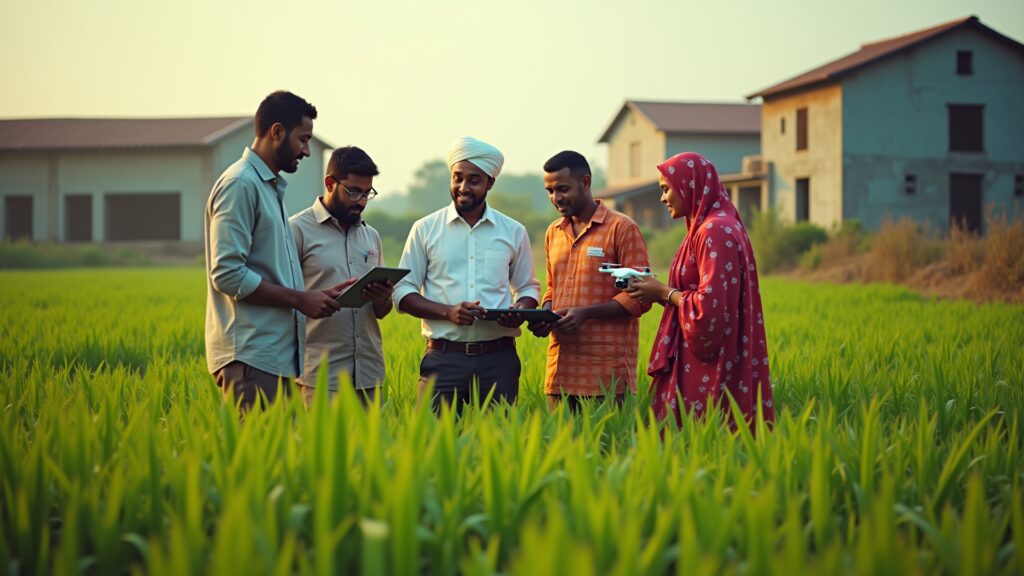













As a decision-maker in agribusiness or agricultural policy, you understand that securing supply chains and managing risk are at the core of sustaining farm profitability and rural economic resilience. India’s contemplation to extend duty-free pulses imports beyond March 31, prompted by geopolitical tensions in Iran and the looming threat of El Nino, is not merely a trade policy tweak—it is a strategic signal that demands your close attention. This move reflects how government policy can directly influence your sourcing strategies, market opportunities, and risk mitigation frameworks in the pulse sector, which remains pivotal to India’s food security and agrarian economy.
Why This Development Matters to You
Pulses are a foundational commodity in India’s food ecosystem, consumed nationwide and vital to the nutrition and livelihood of millions across the rural states. For you, whether investing in agri supply chains, managing farm-to-market operations, or steering agro-financial institutions, the government’s extension of duty-free pulses imports acts as a lever affecting market pricing, import dependency, and sectoral stability at a macro scale.
By grasping this policy trajectory, you can better navigate the uncertainties tied to geopolitical conflict and climate volatility. The potential extension also shapes the competitive landscape for domestic pulse producers and agro exporters, while opening corridors for trade expansion or contraction based on global tensions and weather disruptions.
Understanding the Current Context: What Is Happening?
India’s government originally set a duty-free import window for pulses until March 31 to cushion supply disruptions caused by Iran’s ongoing conflict and the anticipated adverse impact of El Nino on domestic crop output. Iran, a significant supplier for pulses, is embroiled in geopolitical instability which directly threatens steady import flows and pricing. Concurrently, El Nino’s imminent arrival threatens rainfall patterns crucial for pulse cultivation, raising the specter of lower yields and increased market volatility.
This dual challenge has compelled policymakers to contemplate extending the duty exemption period, offering temporary relief while the sector absorbs these shocks. For you, this means that the pulse supply chain strategy must incorporate anticipatory risk management and flexible sourcing models aligning with policy signals.
Key Business and Market Implications
- Supply Chain Stability: Duty-free imports help stabilize pulse availability, preventing sharp price spikes that could disrupt food processing and retail chains.
- Market Pricing and Profitability: Import duty waivers ease cost pressures but may challenge local cultivators’ margins, reshaping farmer incentives and production forecasts.
- Trade and Investment Opportunities: Extended duty relief opens avenues for importers, agro-input suppliers, and logistics providers to capitalize on increased cross-border pulse trade flows.
- Policy Impact and Rural Economy: The decision underscores government agility in balancing farmer interests with consumer affordability and highlights the role of policy in cushioning rural incomes against external shocks.
Deep Dive: Strategic Insights for Agribusiness Leaders
Strategically, this policy move is a nuanced navigation between protecting domestic agriculture and ensuring market access in an unpredictable global environment. For you leading agribusinesses or managing investment portfolios, it signals the importance of scenarios planning incorporating geopolitical and environmental risk factors together. It underlines that agricultural leadership today is less about single-market dependency and more about diversified, resilient sourcing and agile response frameworks.
Consider this: the pulse sector’s sensitivity to both international conflict and climate stress highlights why traditional crop risk assessments must now integrate geopolitical intelligence and climate forecasting tools. As an innovation leader, you should explore agri-tech solutions that enhance pulse yield resilience under erratic weather and improve supply chain transparency amid trade disruptions.
“In agriculture, timing is rarely just operational — it is strategic.”
“The real opportunity is not in reacting late, but in understanding where the market is moving next.”
Practical Takeaways: What You Should Do Now
- Monitor Policy Updates: Keep abreast of government decisions regarding duty-free import extensions and related trade policies.
- Evaluate Supply Chain Flexibility: Assess your pulse sourcing channels for diversification to mitigate risks from geopolitical and climatic uncertainties.
- Invest in Climate-Resilient Agriculture: Implement or support agri-tech innovations that bolster pulse crop productivity under variable weather regimes.
- Engage with Market Intelligence: Leverage data tools and geopolitical risk assessments to inform your procurement and investment strategies.
- Contribute to Policy Dialogue: Participate in platforms where agribusiness leaders influence agricultural trade and risk management policies.
Expert Viewpoint: Steering Through Complexity
This juncture marks a sophisticated pivot for India’s agricultural trade policy, blending geopolitical sensitivity with climate risk management. For expert agribusiness leaders, it offers a case study in proactive decision-making that harmonizes policy, market dynamics, and environmental realities.
“When policy, technology, and farm economics align, growth becomes more scalable.”
Risks and Challenges You Must Consider
While the extension of duty-free pulses imports stabilizes short-term supply, it carries inherent challenges. Prolonged reliance on imports could weaken domestic pulse farming viability, risking long-term sustainability. Additionally, escalating geopolitical tensions may abruptly alter trade routes or import volumes. Weather unpredictability from El Nino may also surpass forecasts, impacting crop yields more severely than anticipated.
You must weigh these risks carefully in your strategic planning to maintain balanced growth and supply chain resilience.
What to Watch Next on This Front
- Government announcements on the final decision about extending duty-free imports.
- Developments in Iran’s geopolitical landscape affecting trade flows.
- El Nino progression reports and their impact on Indian agriculture’s monsoon patterns.
- Pulse price movements in domestic and international markets.
- Policy changes in related sectors, including agri finance and rural economic support schemes.
Conclusion
India’s potential extension of duty-free pulses imports is a strategic response shaped by intertwined geopolitical conflict and climate risk. For you, this policy evolution is a critical indicator of how government strategies will impact pulse supply chain stability, agribusiness risk management, and rural economic vitality. Staying informed and agile around such shifts will not only protect your interests but could also open new pathways for growth and innovation. Navigating these complexities with insight and foresight is now more essential than ever in India’s agriculture landscape.
Remember, the pulse sector exemplifies how agricultural trade policy, environmental risks, and geopolitics are intricately linked — and why your strategic decisions must reflect that reality.