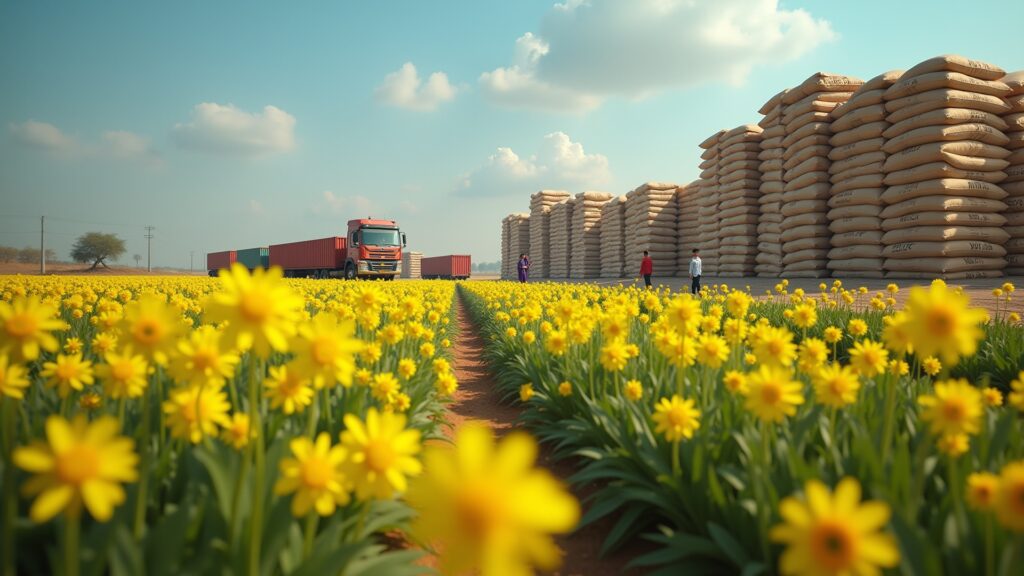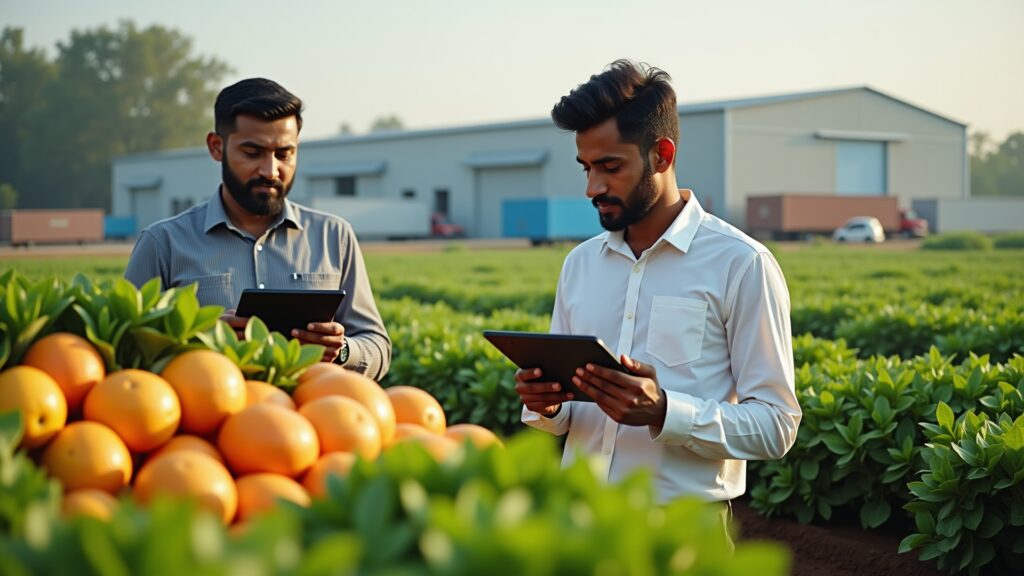
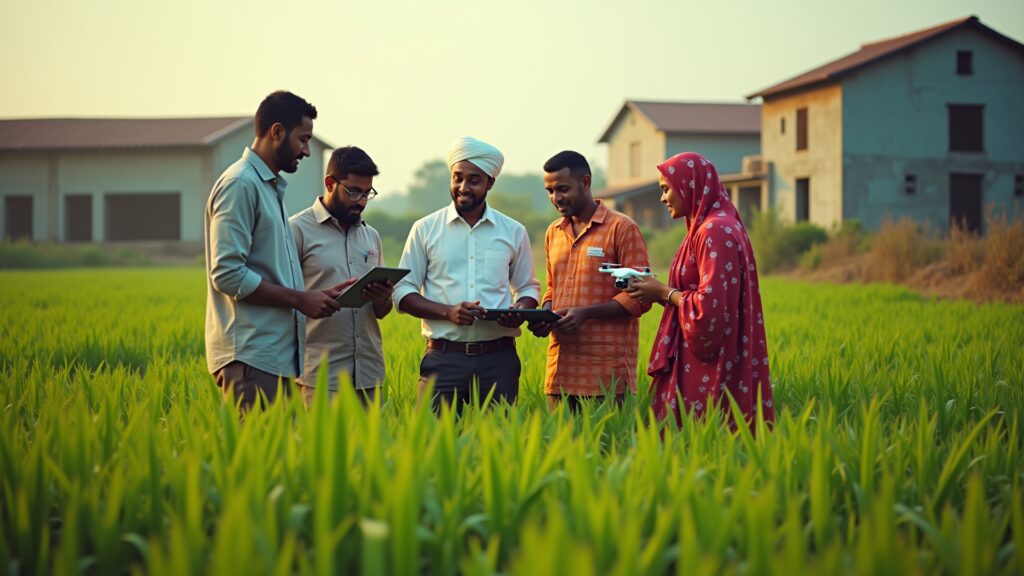













The ongoing Iran conflict is more than a geopolitical crisis; it is a strategic challenge that reverberates through the intricate web of global agriculture supply chains, notably threatening India’s fertilizer availability. As an agribusiness leader, policymaker, investor, or strategic decision-maker in Indian agriculture, you find yourself at a critical juncture. Understanding the unfolding fertilizer supply risk is vital not only for safeguarding farm input security but also for maintaining your operational resilience and profitability in the face of growing geopolitical uncertainties.
Why This Matters to You
You operate within a sector where input costs and availability directly dictate productivity and profitability. Fertilizers are a core input, and India’s farming ecosystem heavily depends on imported raw materials and finished products. When global tensions escalate, supply chains become fragile. The Iran conflict highlights these vulnerabilities and underscores the urgency to rethink your agribusiness strategy, investment decisions, and policy engagement to mitigate disruptions.
What Is Happening in the Fertilizer Sector?
The fertilizer sector is intricately linked to the global geopolitical environment. Iran, a significant player in the supply of key raw materials used in fertilizers, is now embroiled in conflict that threatens to constrain exports and increase logistics costs. Resultant sanctions, shipping hurdles, and price volatility ripple through the international market, putting pressure on fertilizer availability and pricing. India, as one of the largest fertilizer consumers globally, faces direct exposure to these disruptions.
Key Business and Agricultural Market Impacts
- Supply Chain Disruptions: Interruptions from Iran translate into tighter global supplies, increasing lead times and costs for Indian manufacturers and farmers.
- Cost Inflation on Farm Inputs: Your operational budgets must now factor in higher fertilizer prices, which threaten overall farm profitability and may translate to higher food prices downstream.
- Policy and Regulatory Strains: The government may pivot towards import diversification or incentivizing domestic production, impacting your business strategy and capital allocation.
- Investor Confidence and Agritech Risks: Heightened uncertainty can alter investment flows into agritech ventures focused on precision nutrient management and sustainable alternatives.
- Sustainability and Farm Productivity: The pressure to optimize input use sustainably will intensify, requiring innovation and agile agribusiness models.
Strategic Insights for Agribusiness Leadership
As you navigate this scenario, consider this a strategic inflection point. The real challenge lies in anticipating market shifts and adapting your supply chain and sourcing strategies with agility.
- Supply Chain Diversification: Broaden your input sourcing beyond traditional channels. Seek partnerships and alternative suppliers in regions less impacted by geopolitical tensions.
- Investment in Agritech Innovations: Accelerate adoption of precision nutrient technologies that optimize fertilizer use efficiency, reducing dependency on volatile global supplies.
- Policy Engagement: Proactively engage with policymakers advocating for enabling regulations that support domestic fertilizer manufacturing and sustainable agriculture incentives.
- Risk Management: Incorporate geopolitical risk assessments into your procurement and financial planning to buffer against supply shocks and price jumps.
Practical Takeaways for Your Business
- Understand the geopolitical landscape impacting fertilizer imports from Iran and beyond.
- Monitor global supply chain developments and government policy responses closely.
- Evaluate your exposure and supplier dependency, initiating diversification where feasible.
- Invest in agritech solutions focused on nutrient management as a hedge against raw material scarcity.
- Prepare adaptive cost models reflecting potential fertilizer price inflation to protect your farm economics.
- Collaborate with industry groups to influence policy frameworks fostering domestic fertilizer production growth.
Expert Perspective
“In agriculture, timing is rarely just operational — it is strategic.”
“The real opportunity is not in reacting late, but in understanding where the market is moving next.”
“When policy, technology, and farm economics align, growth becomes more scalable.”
Risks and Challenges Ahead
Despite these strategies, the path ahead is fraught with uncertainties. The fluidity of the Iran conflict means disruption risks could escalate unpredictably. Price volatility, supply chain bottlenecks, and shifts in international trade policies may impose financial strains. You must anticipate intermittent shocks and embed resilience in your operational models. Additionally, aggressive alternatives like counterfeit or substandard inputs could enter the market, challenging product quality and compliance standards.
What You Should Watch Next
- Developments in international sanctions and Iran’s export capabilities.
- Government policy shifts towards import diversification and domestic fertilizer incentives.
- Innovations and market adoption rates of precision agritech nutrient management tools.
- Trends in global fertilizer price indices and shipping logistics costs.
- Collaborations or mergers among fertilizer suppliers aiming to stabilize the supply chain.
Conclusion: Securing Your Fertilizer Supply Amid Geopolitical Shifts
You stand at a critical crossroads where geopolitics directly influences agricultural profitability and sustainability. The Iran conflict amplifies fertilizer supply risks, demanding proactive, strategic responses from you as a leader in Indian agriculture. By diversifying sources, investing in agritech, engaging policy, and managing risks wisely, you can better safeguard your supply chains and maintain farm input security. This moment calls not just for reaction, but for forward-thinking leadership that turns supply chain challenges into a platform for sustainable growth.