
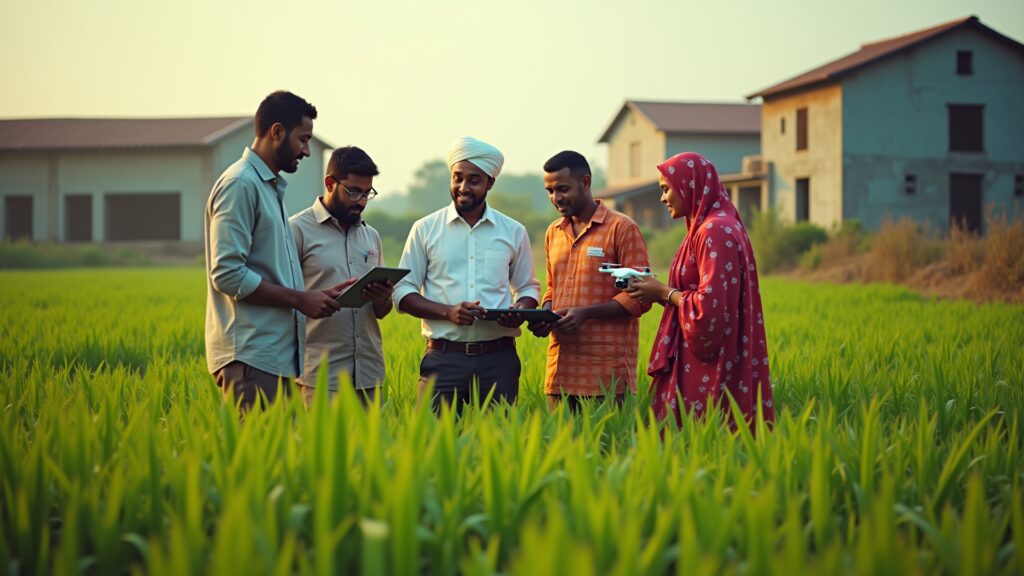













As an agribusiness leader, policymaker, or investor vested in the agricultural sectors of India or Brazil, you face a significant challenge with Russia’s recent halt on ammonium nitrate exports. This strategic move disrupts a vital fertilizer supply chain that underpins crop productivity and farm input costs in two of the world’s most important emerging agricultural markets. Understanding how this export ban reshapes supply dynamics and what it means for your operations is critical for maintaining resilience and profitability in your agricultural investments and enterprises.
Why This Development Must Command Your Attention
Your business and the broader agricultural economy depend heavily on steady, affordable fertilizer inputs, with ammonium nitrate playing a crucial role in nitrogen supply. Russia’s export ban introduces uncertainty into agribusiness supply chains, threatening to escalate input costs and destabilize crop yields. For you, whether steering farm operations, supply chain logistics, or policy frameworks, these risks translate into strategic vulnerabilities. Without early awareness and adaptive action, the ripple effects could reduce farm profitability, strain rural economies, and challenge food security efforts.
What Exactly Is Happening?
Russia has decided to halt all exports of ammonium nitrate—a key nitrogenous fertilizer component widely used in India and Brazil. This decision comes amid geopolitical and economic tensions that have compelled Russia to re-assess the external distribution of critical agricultural inputs. Given Russia’s significant share in global ammonium nitrate exports, this ban disrupts established fertilizer supply routes, tightens raw material availability, and heightens the potential for prices to surge.
Key Business and Market Implications
- Supply Chain Vulnerability: Your existing reliance on Russian ammonium nitrate exposes you to immediate supply shortages and the challenge of sourcing alternatives rapidly.
- Escalating Crop Input Costs: Scarcity is likely to push fertilizer prices higher, squeezing margins for farmers and agribusinesses alike.
- Impact on Crop Productivity: Reduced access to this fertilizer can impair crop yield potential, affecting overall agricultural output and food supply stability in these markets.
- Policy and Trade Ramifications: Governments may need to revisit tariff structures, subsidy programs, and import diversification strategies to stabilize their agricultural sectors.
- Investment and Market Opportunities: The sudden supply gap may stimulate demand for domestic fertilizer production innovations and alternative nutrient solutions.
Deeper Strategic Insights for Your Agribusiness
In an era where agricultural supply chain resilience is paramount, your strategic response cannot be passive. This export ban highlights the inherent risks of concentrated sourcing in global fertilizer supply chains. You must now evaluate diversified sourcing strategies, including cultivating relations with alternate fertilizer-producing countries and investing in localized manufacturing.
Moreover, this disruption presents an inflection point to accelerate adoption of precision agriculture technologies and agritech solutions that optimize fertilizer use efficiency. The aim is clear: maximize nutrient utilization while mitigating the financial and environmental costs of scarce inputs.
“In agriculture, timing is rarely just operational — it is strategic.” By proactively adjusting your procurement and farm management practices, you safeguard your enterprise against future volatility and strengthen your leadership position in the evolving global agribusiness arena.
Practical Takeaways to Navigate the Fertilizer Supply Challenge
- Understand the duration and scope of the Russia ammonium nitrate export ban and monitor any geopolitical developments that could alter the landscape.
- Evaluate your current fertilizer supply chain critically to identify vulnerabilities and areas for diversification.
- Engage with policymakers to advocate for targeted interventions such as import tariff adjustments or support for domestic fertilizer capacity.
- Invest in agritech solutions that enhance nutrient use efficiency—precision application, soil testing, and digital farm advisory systems.
- Consider strategic partnerships or investments in alternative fertilizer producers to hedge against future supply disruptions.
- Balance short-term crisis management with long-term sustainability by exploring organic or bio-based fertilizer innovations.
Expert Editorial Reflections
“The real opportunity is not in reacting late, but in understanding where the market is moving next.”
“When policy, technology, and farm economics align, growth becomes more scalable.”
These insights emphasize the necessity for forward-looking strategies that blend policy support, innovation, and financial foresight.
Risks and Challenges Ahead
You must also recognize that shifting to alternative supplies or ramping up domestic production comes with risks—investment costs, potential delays, and technology adoption hurdles. Moreover, distorted fertilizer prices could pressure smallholder farmers, risking wider socio-economic impacts in rural areas if not addressed with calibrated financial and policy tools.
Maintaining balance between immediate supply needs and sustainable agricultural practices will test your leadership and strategic decision-making.
What to Monitor Going Forward
- Developments in international fertilizer trade policies, especially involving Russia and other key producers.
- Local government responses including subsidies, import duties, and production incentives.
- Emerging agritech tools that promise improved fertilizer efficiency or alternatives.
- Market signals on fertilizer price movements and availability.
- Changes in crop production forecasts and farmer input behavior influenced by fertilizer availability and cost.
Conclusion: Steering Through Disruption with Strategic Agility
Russia’s ammonium nitrate export ban poses a critical challenge to your agricultural supply chain resilience and cost structures in India and Brazil. But with disruption comes urgent opportunity—to rethink sourcing, champion technological adoption, and engage proactively with policy frameworks. By anticipating market shifts and leading with agility, you not only protect your agribusiness profitability but also contribute to a more sustainable and secure agricultural future.
Stay informed, stay adaptable, and position your business to navigate this evolving landscape with confidence.