













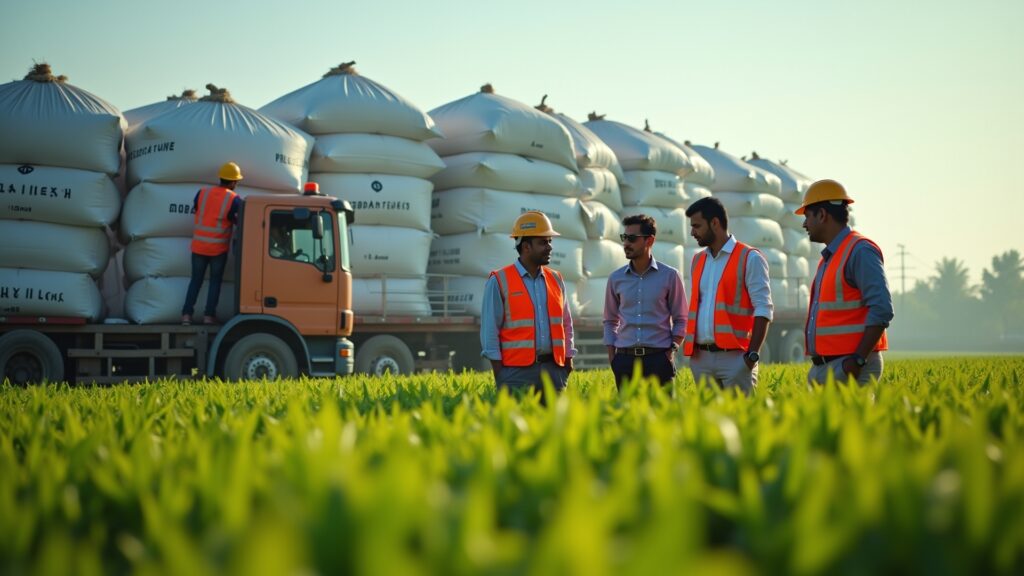
As a leader or stakeholder in agribusiness, your success often hinges on the stability and predictability of critical farm inputs. The Indian government’s announcement to meet the estimated demand of 39 million tonnes of fertilizer for Kharif 2026 offers more than just a supply assurance—it signals key policy and economic moves that will influence your strategic decisions, investments, and operational priorities for the coming season.
Why This Matters to You
India’s Kharif season commands vast agricultural activity and significantly impacts rural economies and food supply chains. Your business, whether involved in input supply, farm services, or investment, needs clarity on how fertilizer availability will shape crop productivity and profitability. Timely, adequate fertilizer supply can mean optimized yields, stable pricing, and enhanced sustainability—a triad that directly affects your margins and the broader agricultural value chain.
What Is Happening
The Indian government expects to fulfill a fertilizer demand forecast of 39 million tonnes for Kharif 2026, a figure that reflects ongoing growth in cropping intensity and farmer expectations. This strategic move involves coordinating procurement, distribution logistics, and policy alignment to ensure that supply chain disruptions are minimized and that farmers across different states have access to the right fertilizer blends on schedule.
Impact on Agribusiness, Policy, and Market Dynamics
This planned fertilizer supply impacts multiple layers of the agricultural ecosystem:
- Agribusiness Stability: With assurance of inputs, fertilizer manufacturers, distributors, and retailers can better manage inventory, pricing strategies, and customer relationships.
- Policy Confidence: The government’s proactive planning reflects a commitment to food security and rural market stabilization, encouraging investor confidence in agri-sector ventures.
- Supply Chain Resilience: Strengthening farm input logistics directly contributes to supply chain robustness, minimizing risks associated with seasonal demand spikes.
- Crop Productivity Gains: Consistent fertilizer availability helps farmers optimize nutrient management, leading to better yields and more sustainable practices.
Strategic Insight: Aligning Your Business with India’s Fertilizer Supply Strategy
In the context of rising input costs and environmental scrutiny, the government’s strategy is not just about quantity but about improving supply chain precision and promoting balanced fertilization. For you as an agribusiness leader or investor, this environment calls for opportunities to:
- Invest in diversified fertilizer portfolios, including micronutrients and specialty products that align with sustainable agriculture.
- Leverage agritech tools to improve traceability and forecasting of fertilizer demand across regions, enhancing your market responsiveness.
- Engage in public-private partnerships to support infrastructure upgrades that can smooth supply fluctuations and reduce losses.
- Monitor policy shifts related to subsidy structures and international fertilizer pricing which could impact cost structures and profitability.
Practical Takeaways for Agribusiness Leaders and Investors
- Understand the government’s fertilizer supply commitments thoroughly and map these against your inventory and sales strategies.
- Monitor rural market trends closely to anticipate shifts in demand and farmer purchasing behaviors during Kharif 2026.
- Integrate sustainability into your fertilizer portfolio by exploring products that reduce environmental impact and comply with emerging regulations.
- Explore technology-driven solutions that enhance supply chain integration, from production to last-mile delivery.
- Engage with policymakers and industry bodies to stay informed and influence upcoming regulations that affect fertilizer supply and usage.
Expert Perspective
“In agriculture, timing is rarely just operational — it is strategic.”
“The real opportunity is not in reacting late, but in understanding where the market is moving next.”
“When policy, technology, and farm economics align, growth becomes more scalable.”
Risks and Challenges to Consider
While the Indian government’s fertilizer supply plan is robust, risks remain. Supply chain bottlenecks, fluctuating international fertilizer prices, and potential geopolitical tensions could disrupt availability or increase costs. Additionally, over-reliance on traditional fertilizer types without promoting balanced or organic alternatives could challenge long-term soil health and farm sustainability, areas increasingly scrutinized by consumers and regulators.
What You Should Watch Next
Keep a close eye on subsidy reforms, international fertilizer market volatility, and the implementation of digital tracking for fertilizer distribution. These factors will shape the supply dynamics and affect your operational planning. Innovations in sustainable fertilizer formulations and policies encouraging crop-specific nutrient management also warrant your attention for future-ready business strategies.
Conclusion: Positioning for Growth in a Changing Landscape
Your agribusiness’s ability to thrive through Kharif 2026 starts with understanding and integrating India’s fertilizer supply strategy into your core planning. The government’s commitment to meeting 39 million tonnes of fertilizer demand is more than a logistical target—it’s a strategic foundation that influences crop productivity, farm profitability, and sustainable agricultural growth.
By aligning your business model with this evolving landscape—leveraging tech innovation, monitoring policy changes, and embracing sustainability—you position yourself not just to respond but to lead in the Indian agriculture market’s next chapter.