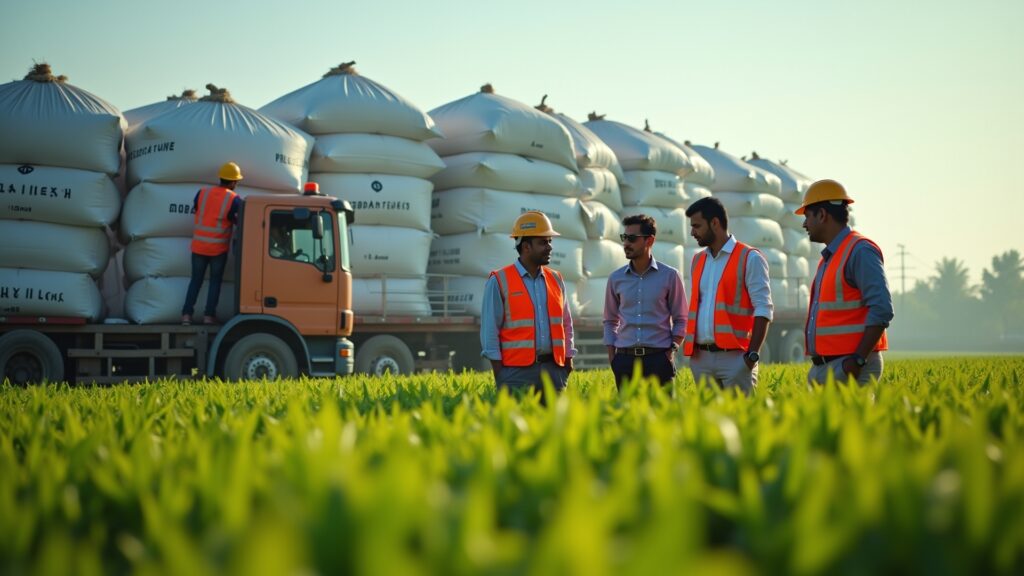
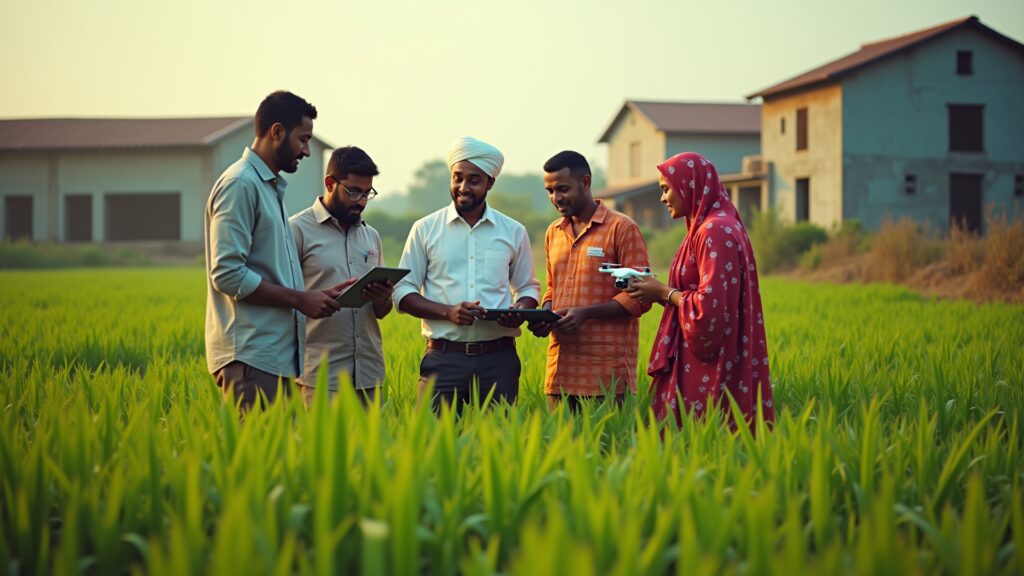













The recent 34% decline in India’s tea output for February, plummeting to 16.65 million kilograms due to adverse weather, delivers more than just a seasonal production setback—it signals a profound challenge to the resilience of the tea agribusiness ecosystem. If you are a stakeholder in this sector, whether as an owner, investor, policymaker, or agritech innovator, you must grasp why this drop matters and what it means for your strategies, profitability, and market positioning as climate variability increasingly shapes agricultural outcomes.
Why This Decline Demands Your Immediate Attention
India’s tea industry, a cornerstone of the rural economy and a significant contributor to global tea supply chains, is experiencing a tectonic shift under climate stress. The production shortfall not only disrupts supply but puts entire agribusiness models at risk—affecting farm incomes, supply chain stability, and export potentials. For anyone vested in the agricultural business landscape, responding effectively to this impact is critical to sustaining growth and safeguarding profitability in an inherently volatile market.
Understanding the Current Landscape: What Is Driving the Decline?
The 34% drop in tea output stems directly from adverse weather conditions—unseasonal rains, erratic temperature fluctuations, and prolonged dry spells have deteriorated crop yields across major tea-growing regions like Assam and West Bengal. These climatic disruptions demonstrate how vulnerable perennial crops like tea are to shifting patterns, underscoring the need for more climate-resilient agronomic practices. This phenomenon is a clear index of the rising impact that climate variability exerts on traditional agricultural cycles.
Key Business and Market Impacts You Must Consider
- Supply Chain Volatility: Reduced output creates supply bottlenecks that ripple through processing, export logistics, and pricing frameworks.
- Price Fluctuations and Profit Margins: Shortfalls generally drive prices up in the short term but squeeze margins due to increased input costs for adaptation measures.
- Investor Confidence and Risk Perception: Persistent climate-induced volatility challenges investment inflows, demanding more robust risk mitigation strategies.
- Rural Livelihoods and Economy: Smaller growers and labour-dependent communities face immediate financial pressure, threatening socio-economic stability.
Strategic Insights: How to Navigate This Climate-Driven Risk
“In agriculture, timing is rarely just operational — it is strategic.” To turnaround and future-proof your tea agribusiness, consider integrating these approaches:
- Adopt Climate-Smart Agritech Solutions: Precision irrigation, weather forecasts, disease prediction models, and heat-resilient cultivars can help mitigate yield losses.
- Revise Supply Chain Models: Building flexibility into procurement and distribution, diversifying sourcing, and leveraging digital traceability reduce vulnerabilities.
- Engage in Policy Dialogue: Active participation in agricultural policymaking can help shape subsidies and support mechanisms focused on climate adaptation.
- Invest in Farmer Training and Sustainability Practices: Empower your supply base with knowledge on sustainable farming, soil health, and integrated pest management.
Practical Takeaways for Agribusiness Leaders and Investors
- Understand the evolving climate risks specific to your tea growing regions and monitor weather patterns closely.
- Prioritize investments in agritech tools that enhance resilience and optimize resource use.
- Evaluate your supply chain risk exposure and develop contingency plans to manage disruptions.
- Collaborate with policymakers and industry bodies to advocate for supportive climate-smart agricultural policies.
- Build sustainable farming frameworks that improve farm profitability while preserving environmental integrity.
Expert Perspectives That Illuminate the Path Forward
“The real opportunity is not in reacting late, but in understanding where the market is moving next.”
“When policy, technology, and farm economics align, growth becomes more scalable.”
Risks and Challenges on the Horizon
Despite adopting mitigation strategies, you must remain vigilant about several risks: Intensifying climate uncertainty could lead to unpredictable disruptive cycles; agritech solutions might face adoption hurdles, especially among smallholders; market demand shocks due to fluctuating prices could depress investment incentives; and policy shifts may lag behind the fast pace of climatic changes, slowing systemic adaptation.
What to Watch Next: Emerging Trends and Signals
Keep a close eye on developments in climate-resilient crop research, government subsidies specific to climate adaptation, international trade policies influencing tea export, and agritech startup innovations focused on predictive analytics and farm-level interventions. Tracking these trends allows you to anticipate market shifts and optimize strategic responses.
Conclusion: Charting Your Course Amid India’s Tea Production Decline
Your response to India’s tea production decline, driven by adverse weather, must be deliberate, informed, and multi-dimensional. This downturn highlights the urgency of climate-smart agribusiness strategies and sustainable supply chain models to secure profitability and stable growth. By embracing innovation, policy engagement, and resilient practices, you can transform climate challenges into strategic advantages—securing your leadership and the future health of India’s tea economy.