
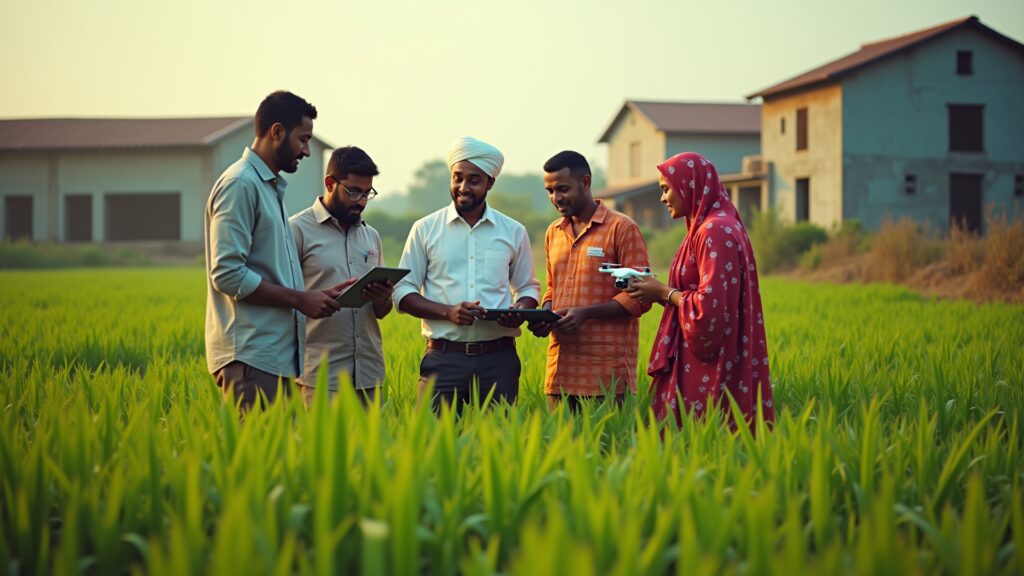













With the rapid evolution of agritech in India, you have access to innovative business models that can transform your farming practices. These seven agritech solutions are designed to enhance profitability, optimize resource management, and empower smallholders like you to thrive in a competitive market. By leveraging technology and strategic partnerships, you can harness these models to not only boost yields but also ensure sustainable growth for your farming initiatives.
Most smallholders in India face challenges in achieving sustainable profitability, but innovative agritech business models are changing the landscape of farming. By leveraging technology, these models offer you opportunities to enhance productivity, reduce costs, and access new markets. In this article, you will discover seven transformative agritech solutions that empower small farmers, drive economic growth, and reshape the future of agriculture in your community.
Key Takeaways:
- Innovative agritech solutions are enhancing access to finance for smallholder farmers through microloans and crowdfunding platforms.
- Data-driven farming models, leveraging AI and IoT, provide farmers with actionable insights to increase yields and reduce costs.
- Collaborative marketplaces are connecting smallholders directly with consumers, improving profit margins and reducing reliance on intermediaries.
Key Takeaways:
- Innovation in supply chain and logistics is enhancing market access for smallholder farmers in India.
- Digital platforms are bridging gaps between farmers and consumers, increasing profitability through direct sales.
- Customized financial services and agritech solutions are improving resource management and productivity for small farmers.
Direct-to-Consumer Models
Direct-to-consumer (D2C) models are empowering smallholders by eliminating intermediaries, allowing you to sell your produce directly to end customers. This approach not only increases your profit margins but also enhances transparency in pricing. With a growing demand for organic and locally-sourced products, D2C models cater to urban consumers seeking fresh produce while supporting local farmers like you.
E-commerce Platforms
E-commerce platforms are transforming how you reach customers by providing a digital marketplace for your products. Utilizing platforms such as BigBasket and Amazon Pantry, you can showcase your goods to millions of potential buyers. These platforms streamline logistics and payment processes, simplifying transactions while expanding your customer base beyond local markets.
Subscription Services
Subscription services offer a stable revenue stream by enabling customers to sign up for regular deliveries of your fresh produce. You can curate boxes with seasonal fruits and vegetables, ensuring variety and freshness while enhancing customer loyalty. This model promotes consistent income, allowing you to better manage your production cycles and meet demand efficiently.
Subscription services have gained traction as consumer preferences shift towards convenience and wellness. You can implement this model by partnering with local businesses or utilizing dedicated platforms that facilitate subscriptions. For example, you might offer weekly or bi-weekly deliveries, allowing customers to receive seasonal produce directly from your farm. This not only increases your sales predictability but also fosters a strong customer relationship, making it easier to promote value-added products like jams or pickles in the future.
Overview of Agritech in India
Agritech in India is rapidly transforming the agricultural landscape, driven by a surge in technology adoption among smallholders. With a focus on enhancing productivity, these innovative solutions are redefining traditional practices. Startups and established companies alike are offering tools ranging from precision farming techniques to data analytics, targeting the unique needs of India’s diverse agricultural ecosystem.
Current Landscape of Smallholder Farming
Importance of Technology in Agriculture
Integrating technology in agriculture is vital for your growth as a smallholder farmer. It enhances efficiency, allows for better resource management, and enables informed decision-making through data. Technologies such as IoT, drones, and AI-driven analytics pave the way for modern farming practices that can significantly increase productivity and profitability.
The role of technology extends beyond simply increasing yields. By leveraging smart farming practices, you can optimize water usage, reduce input costs, and minimize wastage. For instance, the use of precision irrigation systems can decrease water consumption by up to 50%, while predictive analytics can help you anticipate market trends and adjust your strategy accordingly. Access to mobile platforms and online marketplaces also empowers you to connect directly with consumers, ensuring better pricing and reducing dependency on intermediaries.
Cooperative Farming Initiatives
Cooperative farming initiatives are revolutionizing smallholder agriculture in India by enabling farmers to pool resources, share expertise, and access larger markets. These collaborations improve bargaining power, reduce costs, and enhance productivity through shared equipment and joint farming practices. Programs backed by government and NGOs promote collective farming, leading to sustainable practices and increased yields, ultimately helping smallholders navigate market challenges more effectively.
Resource Sharing Among Farmers
Resource sharing among farmers within cooperative models allows you to reduce costs associated with equipment procurement and maintenance. By collaborating, you can access high-quality machinery, seeds, and fertilizers, which individual smallholders may find prohibitive. This synergy not only enhances operational efficiency but also promotes knowledge exchange, enabling you to adopt modern techniques that boost productivity.
Collective Branding and Marketing
Collective branding and marketing empower smallholders to create a unified product identity, which can enhance your competitiveness in the market. By coming together under a brand name, you can command better prices and attract consumers who value quality and authenticity. This approach strengthens your market presence while minimizing the marketing burden on individual farmers.
Collective branding and marketing initiatives have shown remarkable success in regions like Maharashtra, where groups of smallholders have united to promote their organic produce under a single label. By leveraging digital platforms and social media, these cooperatives are not only able to reach broader audiences but also tap into niche markets that prioritize sustainability. The result is a more stable income for all members, reinforcing your financial security while showcasing the power of collaboration in modern agriculture.
Innovative Business Models
Your farming success can be amplified through innovative business models that leverage technology and collaborative efforts. These models not only increase profitability but also enhance sustainability and access to resources for smallholders. By embracing unique approaches, you can connect with markets and funding opportunities that were previously inaccessible, redefining what profitable farming means in India.
Subscription-Based Farming Services
Subscription-based farming services provide you with a consistent value stream while offering customers fresh produce. By partnering with local consumers or businesses through a subscription model, you can establish a reliable income source. These services often include home delivery, allowing you to reach a wider audience and reduce the unpredictability of market fluctuations.
Peer-to-Peer Lending Platforms
Peer-to-peer lending platforms are transforming access to capital for your farming endeavors. These platforms connect you directly with individual investors, allowing you to secure microloans without traditional banking barriers. Transparent interest rates and flexible repayment terms make it easier for you to manage loans tailored to your financial needs.
Peer-to-peer lending platforms offer a unique opportunity for you to tap into a vast network of individual lenders who understand the potential of agriculture. For example, platforms like Kiva and Rang De allow you to pitch your farming projects, outlining your needs and business forecasts. Investors can fund your microloans directly, often with lower interest rates compared to traditional financial institutions. This approach fosters community support and recognizes the value of sustainable agriculture, enabling you to invest in equipment, seeds, or organic practices while building credit history and relationships with future financiers.
Agro-tech Innovations
Leveraging agro-tech innovations is transforming how smallholder farmers operate, enabling them to enhance productivity and sustainability while improving their incomes. Technologies such as mobile apps, IoT devices, and drone services are streamlining agriculture practices, optimizing resource use, and facilitating market access. These innovations not only make farming more efficient but also support data collection for informed decision-making, ensuring you stay ahead in a competitive market.
Precision Farming Tools
Precision farming tools give you the ability to monitor and manage your crops with great accuracy. Using GPS technology and sensors, you can track soil health, moisture levels, and nutrient content, allowing you to apply resources judiciously. This targeted approach reduces waste and enhances yield, which is necessary for maximizing profits on limited land.
Data-Driven Decision Making
Implementing data-driven decision-making techniques can significantly impact your farming outcomes. By analyzing data collected from multiple sources, such as weather patterns and soil conditions, you can make informed choices that lead to higher efficiency and yields.
Data-driven decision-making enables you to establish actionable insights into your farm’s operations. Utilizing platforms that aggregate real-time data helps you predict crop performance, optimize irrigation scheduling, and manage pest outbreaks effectively. For example, tools like Nagarro and AgroStar leverage machine learning algorithms to analyze vast quantities of data, allowing you to make strategic adjustments that enhance productivity and minimize losses. This proactive approach not only increases your resilience against climate variability but also positions you competitively within the market. Integrating such innovations can lead to better harvests and improved financial stability for smallholders like you across India.
Data-Driven Solutions
Utilizing data-driven solutions can transform your farming practices, enhancing efficiency and productivity. These technologies analyze various parameters such as soil health, weather patterns, and crop health, enabling you to make informed decisions. By employing data analytics, you can optimize resource allocation, reduce waste, and ultimately improve your yields while lowering costs.
Precision Farming Technologies
Precision farming technologies allow you to customize your agricultural practices based on specific field data. Tools like GPS-guided equipment and soil sensors help in applying fertilizers and pesticides in targeted areas, minimizing environmental impact and maximizing crop output. This technology empowers you with detailed insights, possibly increasing yields by up to 30%.
Crop Monitoring and Advisory Services
Crop monitoring and advisory services provide real-time insights into your crop conditions and overall farm health, guiding you on necessary interventions. By leveraging satellite imagery and on-ground sensors, these services help you make timely decisions that enhance productivity and sustainability.
Crop monitoring and advisory services not only keep you updated on climatic changes and pest outbreaks but can also recommend best practices tailored to your specific crops. Companies like AgroStar and Bijak have developed platforms that deliver personalized advice based on data analytics, helping smallholders mitigate risks effectively. Access to these services can lead to sustainable practices and improved financial outcomes, with some farmers reporting growth in profits by an average of 20% when using such technology.
Vertical Farming and Hydroponics
Vertical farming and hydroponics represent a significant advancement in agricultural practices, particularly for smallholders in India. By utilizing stacked layers and nutrient-rich water systems, these methods enable you to maximize yield in limited spaces. With the ability to grow crops year-round, vertical farming can enhance food security and profitability while minimizing land use and water waste. Establishments like the Urban Farms in Bengaluru showcase the potential for these innovative techniques to thrive in urban settings.
Space Optimization
Incorporating vertical farming and hydroponics allows you to effectively optimize vertical space, which is vital in urban environments where land is expensive. By growing crops in stacked layers, you can multiply your yield per square foot significantly. For instance, some hydroponic systems can yield up to ten times more produce compared to traditional methods on the same footprint, making this approach financially appealing and sustainable for your operations.
Urban Agriculture Opportunities
The rise of urban agriculture opens up promising avenues for smallholders. By tapping into local markets, you can not only supply fresh produce but also reduce transportation costs and emissions. Urban centers like Mumbai and Delhi have seen a surge in demand for organic and locally sourced food, allowing you to cater to health-conscious consumers willing to pay a premium for freshness.
With urban agriculture, you can engage directly with consumers through farmers’ markets or community-supported agriculture (CSA) programs, enhancing your connection to the community while boosting profitability. Initiatives like the Fresh Earth Collective in Delhi have successfully united urban farmers, fostering a network that highlights the benefits of locally grown produce. This movement not only supports your business but also promotes sustainability and community health. By leveraging vertical farming and hydroponics, you stand to gain not just financially but also as a part of a growing movement toward urban sustainability.
Market Access and Supply Chain Innovations
Innovations in market access and supply chains are driving significant changes in how smallholder farmers connect with consumers. By leveraging technology, such as mobile applications and data analytics, these innovations streamline transportation, reduce costs, and enhance transparency in pricing. This transformation enables farmers to reach new markets and optimize their profits, ultimately contributing to more sustainable farming practices.
Direct-to-Consumer Sales Platforms
Direct-to-consumer sales platforms empower you to bypass traditional intermediaries, enabling better profit margins and fostering stronger relationships with your customers. Through online marketplaces and mobile apps, you can showcase your produce directly to consumers, capitalize on local food trends, and gain insights into customer preferences, driving sales growth and brand loyalty.
Cooperative Models for Smallholder Farmers
Cooperative models present a strong opportunity for smallholder farmers to unite and leverage collective bargaining power, achieving economies of scale that maximize profit margins. By joining forces, you can access shared resources, technology, and market intelligence, reducing costs and increasing your negotiating leverage with suppliers and buyers.
In India, successful cooperative models like Amul have demonstrated immense potential, allowing farmers to enhance their income through collective processing and marketing efforts. By pooling resources, you can tap into bulk purchasing for inputs, share equipment, and invest in better irrigation facilities. Cooperatives facilitate training programs, improving the skills needed for sustainable farming. Furthermore, they often establish direct connections with consumers and retailers, which can significantly reduce the reliance on middlemen, ensuring that a greater share of the retail price goes directly to you, the farmer.
Microfinancing for Smallholders
Microfinancing provides a pathway for smallholders to secure the funds necessary for enhancing productivity and scaling operations. By facilitating access to credit through microloans, agritech innovations empower farmers to invest in important resources such as quality seeds, fertilizers, and technology. These loans typically feature lower interest rates and flexible repayment options, making them a viable choice for those with limited financial history.
Access to Capital
Access to capital can significantly transform your farming practices. Microfinancing platforms are tailored to meet the unique needs of smallholders, allowing you to obtain loans quickly and without extensive paperwork. Services like Kiva and Rang De connect you directly with local lenders, ensuring that funds are allocated efficiently and aimed at improving agricultural outputs.
Financial Literacy Programs
Participating in financial literacy programs is important for making informed borrowing decisions. These programs provide education on managing loans, budgeting, and financial planning, thus equipping you with the skills to maximize your resources. With improved financial literacy, you can confidently navigate the complexities of microfinancing and ensure that the funds are used to enhance your farming practices effectively.
Financial literacy programs often include workshops, one-on-one coaching, and practical training specifically designed for farmers. Organizations like the Financial Literacy and Education Commission have initiated programs in rural areas, teaching concepts such as interest rates, repayment schedules, and the importance of saving. By empowering you with financial knowledge, these programs aim to reduce the risk of loan default and promote sustainable farming practices, ultimately leading to a more financially stable agricultural sector.
Financing and Investment Opportunities
Accessing adequate financing is vital for smallholder farmers to thrive, and innovative funding models are emerging to meet this need. Understanding the available options, from microfinance to venture capital, can significantly impact your farming operations. By leveraging these financial solutions, you can enhance productivity and secure important resources for growth.
Microfinance Solutions for Farmers
Microfinance solutions are tailored to provide small loans to farmers who lack access to traditional banking. These services often come with flexible repayment schedules, allowing you to secure funding for seeds, equipment, and other necessities while managing your cash flow effectively. Institutions like Rang De and Ujjivan provide these tailored financial products, empowering numerous smallholders to improve their livelihoods.
Venture Capital in Agritech Startups
Venture capital has become a driving force behind agritech innovation, opening new avenues for funding and development. As a farmer, you can benefit from technologies developed by startups focused on enhancing productivity and efficiency in agriculture.
The influx of venture capital into agritech startups reflects a growing interest in transforming the agricultural landscape. In India, investments have surged, with over $2 billion directed toward agritech in recent years. Notable ventures like Ninjacart and DeHaat harness technology to streamline operations for smallholders, creating tailored solutions that meet unique needs. By collaborating with these startups, you can access advanced tools and resources, driving both productivity and sustainability in farming practices.
Sustainable Practices and Organic Farming
Embracing sustainable practices and organic farming is not just an eco-friendly choice; it’s a strategic move that can enhance your profitability. By utilizing natural inputs, improving soil health, and reducing chemical dependency, you can tap into the growing demand for organic products. This shift not only protects biodiversity but also positions you favorably in a market increasingly driven by consumer preferences for sustainability.
Certification and Market Demand
Obtaining organic certification significantly boosts your market appeal and potential profits. Today, consumers are willing to pay premium prices for certified organic produce, with the organic food market in India projected to reach $10 billion by 2025. This growing market demand ensures that your investment in certification will yield substantial returns and open doors to niche markets.
Long-term Profitability
Investing in sustainable and organic practices leads to long-term profitability by enhancing soil fertility and reducing input costs over time. As your soil health improves, you may notice decreased dependence on fertilizers and pesticides, ultimately lowering production costs. Establishing a loyal customer base that prioritizes organic products further solidifies your income stream.
This long-term profitability extends beyond immediate financial gains. By adopting sustainable practices, you’re not only improving the resilience of your farm and its ecosystems but also attracting discerning buyers who value responsible sourcing. As markets shift towards sustainability, your commitment to organic farming positions you as a leader in the agricultural landscape. For example, farmers achieving certification have seen profit margins increase by over 30%, illustrating the financial benefits of embracing these eco-friendly methods. Over time, these sustainable practices can lead to a virtuous cycle of improved yields, higher sales, and a more robust farming operation.
Final Words
On the whole, the exploration of these seven agritech business models highlights how innovative solutions can enhance profitability for your smallholder farming endeavors in India. By leveraging technology, improving market access, and promoting sustainable practices, you can optimize your operations and increase your income. Embracing these models not only positions you for success in a competitive agricultural landscape but also contributes to the overall transformation of farming in your region. Adapting to these advancements will empower you to stay ahead and thrive.
Final Words
Hence, by embracing these seven innovative agritech business models, you can transform your farming operations into more profitable ventures. These approaches not only address the unique challenges faced by smallholders in India but also empower you to leverage technology for improved productivity and sustainability. Engaging with these models can enhance your market reach, access funding, and elevate your farming practices, ultimately leading to a more prosperous agricultural future.
FAQ
Q: What are the key agritech business models being used by smallholders in India?
A: Key agritech business models include precision agriculture, farm management software, vertical farming, community-supported agriculture (CSA), organic farming networks, mobile trading platforms, and agritech marketplaces. Each of these models leverages technology to enhance productivity, facilitate market access, and improve sustainability in farming.
Q: How do these agritech business models help enhance profitability for smallholders?
A: These models enhance profitability by reducing input costs, increasing yields, providing better market prices, and connecting farmers directly to consumers. For instance, precision agriculture uses data to optimize resource use, while mobile platforms provide real-time market access, ensuring farmers can sell their produce at competitive rates.
Q: What challenges do smallholders face when adopting agritech business models?
A: Challenges include limited access to technology and internet connectivity, inadequate financial resources for initial investments, lack of technical knowledge, and vulnerability to market fluctuations. Addressing these barriers through targeted training and financial support is vital for successful implementation.