












It’s imperative to recognize that the machinery decisions you make can significantly impact your farm’s profitability. From selecting the right equipment to maintenance strategies, each choice plays a pivotal role in your operational efficiency and bottom line. This listicle highlights ten key decisions you should consider to enhance your farming business’s success and drive long-term profitability.
Key Takeaways:
- Choosing the right machinery significantly impacts operational efficiency and overall profit margins.
- Regular maintenance and timely upgrades of equipment can prevent costly breakdowns and ensure consistent productivity.
- Investing in technology, such as precision farming tools, can enhance decision-making and optimize resource use.
Equipment Selection
Selecting the right equipment is fundamental to optimizing your farming operations. Your choices significantly impact productivity, efficiency, and ultimately, profitability. Prioritizing machinery that aligns with your specific farming practices and goals helps minimize downtime and maintenance costs while maximizing output.
Match crops with machinery
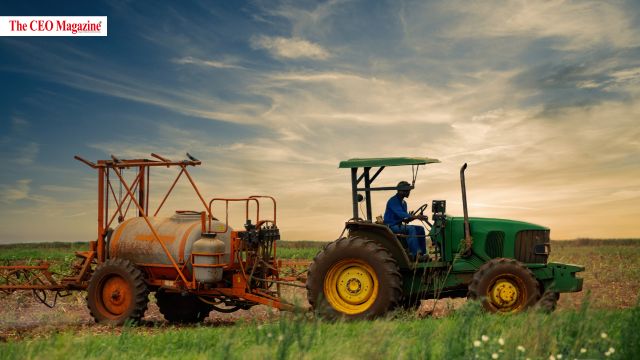
Your choice of machinery should be tailored to the crops you grow. Different crops require specialized equipment for planting, harvesting, and managing, ensuring efficiency and effectiveness in your operations. Assess the specific needs of your crops to select machinery that supports their optimal growth and harvest.
Assess local terrain conditions
Understanding your local terrain is vital in selecting appropriate machinery. Different equipment performs optimally under varied soil types, slopes, and water levels. By evaluating these factors, you can choose machinery that enhances performance, reduces soil compaction, and maintains crop health.
Your local terrain significantly influences machinery effectiveness. Heavy equipment may struggle on wet or uneven land, while lighter machinery could be ideal for well-drained, flat fields. By analyzing soil composition, elevation changes, and drainage patterns, you can select machinery that minimizes the risk of damage and ensures smooth operation throughout planting and harvesting seasons.
Maintenance Practices
Incorporating effective maintenance practices can significantly enhance the longevity and efficiency of your farm machinery, allowing for a more profitable operation. Proper upkeep not only minimizes unexpected breakdowns but also ensures optimal performance during critical farming periods. A proactive maintenance approach can ultimately save you time and resources while maximizing your yield.
Regular Service Schedules
Establishing regular service schedules for your machinery is crucial for preventing costly repairs and downtime. Routine inspections, oil changes, and parts replacements should be planned in advance based on manufacturer guidelines and usage patterns. By adhering to these schedules, you can keep your equipment operating at peak capacity and ensure it’s ready when you need it most.
Keep Records of Repairs
Maintaining detailed records of all repairs and maintenance activities performed on your equipment can offer significant insights into its performance and reliability. This documentation can help you identify patterns of wear and tear, allowing for better forecasting of future repairs and replacements. By tracking these records, you empower yourself to make informed decisions regarding machinery investments and usage strategies.
Keeping records of repairs also aids in warranty claims and resale value assessments. When you document the specifics of each service, including dates, costs, and parts replaced, you create a comprehensive history for your commitment to maintenance. This transparency not only enhances trust with potential buyers but also provides yourself with a clear understanding of your equipment’s life cycle, helping you plan for future upgrades or replacements.
Technology Integration
Incorporating advanced technology into your farming operations enhances efficiency, productivity, and profitability. Technology integration allows you to leverage data insights, streamline processes, and make informed decisions that improve crop yields and reduce costs. By embracing innovative solutions, you can stay competitive and adapt to the evolving agricultural landscape.
Precision Agriculture Tools
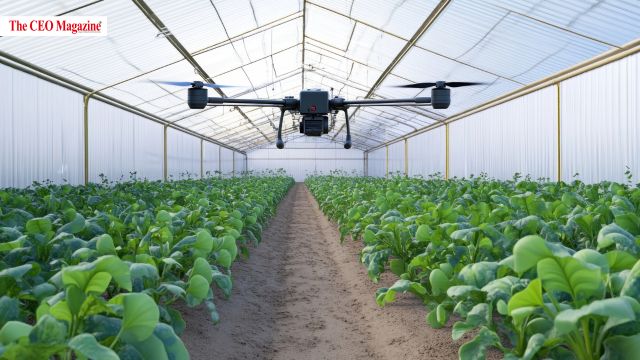
Utilizing precision agriculture tools enables you to optimize field variability, improving resource management and increasing overall efficiency. These tools, such as GPS-guided equipment and drone technology, allow you to monitor crop health and soil conditions in real-time. By tailoring inputs to specific field areas, you can enhance yields while minimizing waste.
Automation in Operations
Automation in your farming operations transforms daily tasks, reducing labor costs and increasing productivity. By implementing automated systems for planting, irrigation, and harvesting, you free up valuable time to focus on strategy and planning. Leveraging technology in this way leads to more precise operations and a more sustainable business model.
Automation in your operations can streamline processes significantly. Investing in automated machinery, such as robotic harvesters or automated irrigation systems, enhances operational efficiency and can minimize human error. Moreover, these technologies allow you to manage larger areas of land with the same or fewer resources, ensuring that your farming methods are sustainable while maximizing profitability. By employing automation, you create a modern farming operation that is prepared to meet future challenges head-on.
Labor Utilization
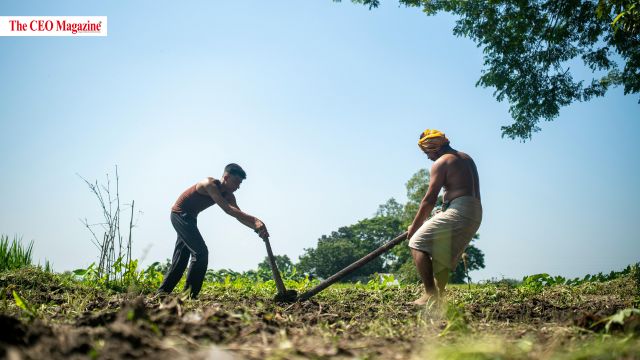
Your farming operation’s success heavily depends on how effectively you utilize labor. Efficient labor management not only reduces costs but also enhances productivity, impacting your bottom line. Being strategic about labor decisions enables you to maximize performance during peak seasons while ensuring tasks are completed efficiently and safely.
Train Staff Effectively
Optimize Workforce Allocation
Strategically aligning your workforce with seasonal demands and specific tasks increases efficiency. Assessing the strengths and capabilities of your staff allows you to assign roles where they can perform best, minimizing downtime and enhancing overall productivity. Flexible scheduling and the use of technology can further aid in optimizing workforce deployment.
To optimize workforce allocation, analyze your farm’s workflow and identify peak periods for various operations, such as planting and harvesting. Utilize data from previous seasons to forecast labor needs and adjust schedules accordingly. Encourage communication among your team to maximize collaboration and adaptability during busy times. By understanding individual strengths, you can assign tasks that match skills, ensuring that each employee contributes effectively to your operational goals. This thoughtful allocation reduces overlap, enhances job satisfaction, and keeps your operations running smoothly.
Cost Analysis
Understanding costs is important for making informed decisions regarding farm machinery. You need to analyze both the direct and indirect expenses associated with each piece of equipment, as these can significantly impact your profit margins. By conducting a thorough cost analysis, you can identify which machinery provides the best return on investment, helping you allocate your resources more effectively.
Evaluate Total Ownership Costs
Total ownership costs extend beyond the initial purchase price. You should factor in depreciation, maintenance, fuel consumption, and insurance when evaluating the true cost of machinery. An accurate assessment helps you understand how each piece of equipment affects your long-term profitability and operational efficiency.
Consider Financing Options
Financing can play a pivotal role in your machinery acquisition strategy. Explore various options like loans, leases, or financing through equipment manufacturers to find the most beneficial terms. Each option has its advantages and drawbacks, so you must evaluate them against your cash flow and overall financial goals.
When considering financing options, assess your current budget and future cash flow projections to make an informed choice. Look for competitive interest rates, repayment terms that align with your income cycles, and any potential tax implications of different financing structures. Balancing these factors will help you secure machinery that enhances your productivity without straining your finances.
Storage Solutions
Implementing effective storage solutions is vital for maximizing the longevity and productivity of your farm machinery. Proper storage reduces downtime and maintenance costs, allowing you to maintain efficient operations. Consider various storage options that best fit your equipment and budget to protect your investment.
Efficient use of space
Optimizing your storage space enhances organization and accessibility. Utilize vertical space with shelving and racks, ensuring that your machinery is stored in a way that allows for easy movement and retrieval. A well-structured layout not only saves time but also improves overall workflow.
Prevent equipment damage
One of the primary goals of effective storage is to prevent damage to your equipment. By storing machinery in a clean, dry, and climate-controlled environment, you can minimize the risk of rust, corrosion, and wear. Regularly inspecting your storage area ensures that your equipment remains in top condition and ready for use.
Investing in protective coverings and limiting exposure to harsh weather drastically reduces the potential for damage. Additionally, using designated areas for each piece of equipment prevents accidental collisions and mishandling. Implement routine maintenance checks and ensure that your storage area is free from dust and debris to prolong the life of your machinery and maintain its operational efficiency.
Insurance Coverage
Effective insurance coverage is important for safeguarding your farming operations against unforeseen events. Having the right policies not only protects your assets but also helps ensure your business remains financially viable through turbulent times. Evaluate your coverage options carefully, as they can significantly impact your farm’s profitability and longevity.
Protect against damages
To maintain profitability, it’s vital to protect your farm from potential damages through insurance. Coverage options may include property, equipment, and liability insurance, which shield you from financial loss caused by accidents, natural disasters, and other unpredictable incidents. A comprehensive policy ensures you can recover quickly and continue operations without significant interruptions.
Assess risk management plans
Assessing your risk management plans is fundamental in establishing a resilient farming business. By evaluating potential vulnerabilities and the corresponding insurance options, you can create a tailored strategy that addresses your specific needs. This proactive approach not only minimizes losses but also enhances your ability to take calculated risks that can lead to growth.
To effectively assess risk management plans, begin by identifying all aspects of your farming operation that could be vulnerable, including equipment, crops, livestock, and liability exposures. Analyze past incidents or potential hazards that may impact your business. Engage with insurance professionals to evaluate coverage gaps and explore appropriate policies tailored to mitigate identified risks. Regularly revisiting and updating your risk management strategy will keep you aligned with evolving threats and advancements in industry practices.
Environmental Impact
The choices you make regarding farm machinery significantly affect the environment, impacting both your operation’s sustainability and your bottom line. Selecting equipment that prioritizes efficiency and minimal ecological disruption can enhance your farm’s profitability while promoting environmental stewardship. Embracing eco-friendly practices not only meets regulatory standards but can also resonate positively with consumers increasingly concerned about the origins of their food.
Sustainable machinery choices
When investing in new machinery, consider options designed with sustainability in mind. Look for equipment that has improved fuel efficiency, reduced emissions, and longer lifespans. Investing in technologies such as electric or hybrid models can not only lower operational costs but also align your farming practices with modern sustainability goals, catering to an environmentally conscious market.
Reduce carbon footprint
Reducing your carbon footprint is vital for both environmental health and your farm’s profitability. By opting for machinery that adheres to low-emission standards, you can diminish greenhouse gas emissions and minimize your operational impact. This shift not only supports a cleaner atmosphere but can also lead to savings in fuel costs and potential rebates or incentives for environmentally-friendly practices.
Implementing strategies to reduce your carbon footprint goes beyond selecting low-emission machinery. Regular maintenance of your equipment ensures optimal performance, thereby reducing fuel consumption and emissions. Additionally, transitioning to precision agriculture technologies allows for more efficient resource use, leading to decreased waste and lower environmental impact. By adopting these practices, you not only contribute to a healthier planet but also enhance your farm’s reputation, attracting eco-conscious consumers who value sustainability in their purchasing decisions.
Market Trends
To achieve lasting success in your farming business, it’s imperative to keep an eye on market trends. Understanding shifts in consumer preferences, regulatory changes, and emerging technologies will empower you to make informed decisions regarding machinery investments, ensuring your operations remain competitive and profitable. Adapting to these trends can lead to better financial outcomes and increased market share.
Stay updated on innovation
Embracing innovation in farm machinery allows you to enhance efficiency and productivity. Regularly evaluating new technologies and techniques can give your business a competitive edge, ensuring that you are always utilizing the best tools available in the industry.
Adapt to customer needs
Aligning your farming machinery with customer requirements can significantly improve your market position. By understanding the evolving demands of your customers, you can select equipment that meets their specific needs, enhancing satisfaction and loyalty.
Adapting to customer needs involves actively engaging with your clientele, seeking feedback, and monitoring industry developments. This dynamic approach helps you refine your machinery choices, ensuring that you can provide not only the products they desire but also the efficient service they expect. By tailoring your machinery investments toward fulfilling customer demands, you position your farming business for sustainable growth and profitability.
Conclusion
With this in mind, the decisions you make regarding farm machinery can significantly influence the profitability of your farming operation. By carefully evaluating each choice, from equipment selection to maintenance practices, you position yourself for success. Emphasizing efficiency, cost-effectiveness, and technology integration can enhance productivity and drive your business forward. Ultimately, staying informed and adaptable will empower you to make strategic decisions that align with your goals and ensure a thriving farming enterprise.
FAQ
Q: What are the most important factors to consider when selecting farm machinery?
A: Key factors include the type of crops being grown, terrain conditions, machinery reliability, total cost of ownership, and available technology. Assessing these elements helps ensure that the selected equipment meets the specific needs of the farming operation.
Q: How can investing in precision agriculture technology impact farm machinery decisions?
A: Integrating precision agriculture technology can enhance machinery efficiency by enabling better data collection and analysis. This investment can lead to improved crop yields, more effective resource management, and ultimately, higher profitability by optimizing field operations.
Q: What role does maintenance play in the profitability of farm machinery?
A: Regular maintenance is vital for maximizing machinery efficiency and lifespan. Neglecting maintenance can lead to costly repairs, downtime, and decreased productivity, significantly impacting overall profitability. Establishing a maintenance schedule is vital to keep equipment in optimal condition.