













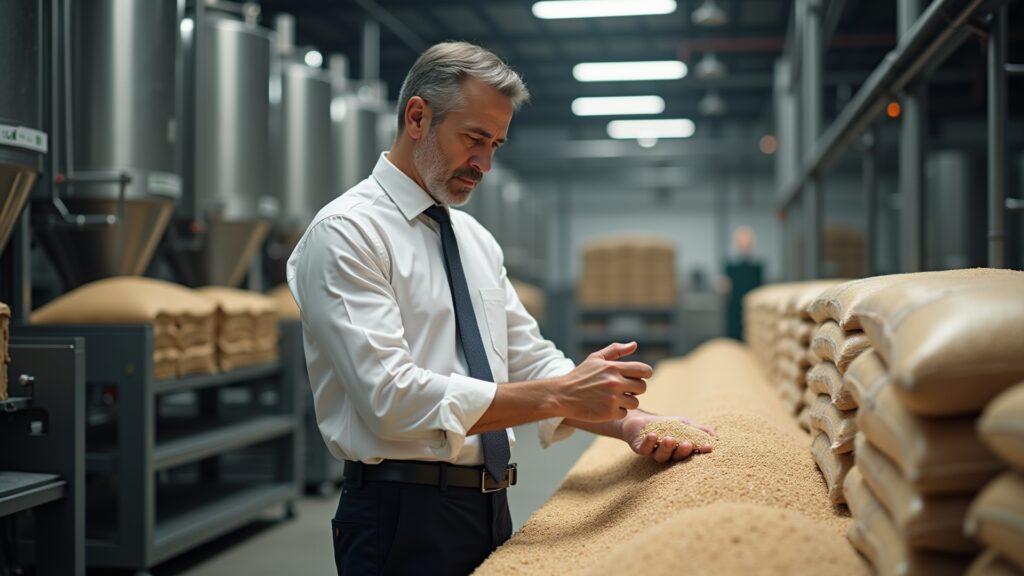
As an agribusiness leader, investor, or strategist, you understand that expanding your product portfolio with an eye on evolving consumer preferences can be a defining move. AWL Agri Business’s recent launch of Fortune Atta with Multigrains marks a pivotal moment in the Indian food market — one where health-conscious consumers are reshaping demand and sparking innovation in flour products. This is not just a product extension; it’s a strategic response to the rising tide of wellness-driven consumption that can create new growth trajectories for your agribusiness operations.
Why This Matters to You
Your role in agriculture’s value chain means you must grasp the implications of shifting consumer health trends. AWL Agri Business’s multigrain flour introduction offers you a live example of how traditional food processing companies pivot towards premium, health-oriented offerings. This trend opens up greater market differentiation and potential margin expansion, aspects critical for scaling your food portfolio profitably amid intensifying competition.
Understanding AWL Agri Business’s Strategic Move
AWL Agri Business has augmented its flour portfolio by adding Fortune Atta with Multigrains, a move that aligns with an unmistakable industry direction toward health and nutrition. Multigrain flours cater not only to the growing segment of health-conscious households but also tap into rising demand for functional foods that support wellness. This product innovation reflects a broader agribusiness growth strategy where the synergy between consumer insights and product development drives competitive advantage.
Key Business and Market Implications
The launch of a multigrain flour product by an established player like AWL carries profound significance for market dynamics:
- Consumer Health Trends Shape Demand: Increasing awareness around diet and health propels demand for multigrain and nutrient-enriched flours.
- Portfolio Diversification Improves Brand Equity: By expanding beyond standard wheat flour, AWL reinforces its image as a modern, health-focused brand.
- Supply Chain Opportunities: Incorporating multiple grains encourages diversified sourcing strategies, potentially fostering sustainable agronomic practices and rural economies.
- Competitive Differentiation: Innovation in flour can serve as a strong market differentiator in India’s crowded food processing sector.
Strategic Insights: Navigating the Health-Driven Agribusiness Landscape
As you evaluate growth opportunities, AWL’s approach underscores several strategic imperatives:
- Anticipate Consumer Shifts Early: Timing your product innovations to match emerging health trends is crucial to capturing market share before saturation.
- Invest in R&D for Functional Foods: Developing flour blends with nutritional benefits can deepen your product portfolio’s appeal to premium consumers.
- Leverage Brand Positioning Around Wellness: Communicate health benefits convincingly to build lasting customer loyalty and command price premiums.
- Strengthen Supply Chain Resilience: Multi-grain products require partnerships across diverse grain producers, which can enhance supply stability and sustainability.
“In agriculture, timing is rarely just operational — it is strategic.”
Practical Takeaways for Agribusiness Leaders Like You
- Understand Market Demand Nuances: Engage in consumer research that identifies preferences toward health and nutrition trends in your target demographics.
- Monitor Innovation Among Competitors: Stay alert to product launches and technology adoption that elevate functional food portfolios.
- Integrate Sustainability into Product Sourcing: Explore agronomic practices that support multi-grain cultivation with environmental and social benefits.
- Align Marketing with Health and Wellness Messaging: Build campaigns that resonate with evolving consumer mindsets about food as medicine.
- Evaluate Financial Impact: Assess how premium product entry impacts your cost structures, pricing strategies, and overall profitability.
“The real opportunity is not in reacting late, but in understanding where the market is moving next.”
Risks, Challenges, and Considerations
While expanding into multigrain flour is promising, you must also weigh challenges:
- Supply Chain Complexity: Sourcing multiple grain varieties can increase logistics and quality assurance demands.
- Consumer Education: Convincing traditional consumers to shift to multigrain products may require sustained marketing efforts.
- Price Sensitivity: Premium positioning risks alienating price-conscious buyers in price-competitive markets.
- Regulatory Compliance: Nutritional claims must be accurate and comply with food safety regulations to avoid reputational risks.
What You Should Watch Next
Keep a close eye on:
- Market reception of multigrain flour products across various consumer segments and regions in India.
- Competitive responses, including new product innovations from legacy and emerging players.
- Policy developments affecting functional foods, health claims, and grain sourcing standards.
- Technological advancements in food processing that enhance nutrition retention and shelf-life of multigrain products.
“When policy, technology, and farm economics align, growth becomes more scalable.”
Conclusion
The introduction of Fortune Atta with Multigrains by AWL Agri Business is a strategic beacon for you—whether you helm an agribusiness, a food processing venture, or an investment portfolio in agriculture. It highlights how aligning product innovation with health-conscious consumer trends can redefine your market positioning and supply chain architecture. Embracing such shifts will be critical for scaling profitable, sustainable growth in the increasingly health-driven Indian food market. Watching how AWL balances innovation, supply complexity, and consumer education offers you valuable lessons in navigating next-generation agribusiness landscapes.