
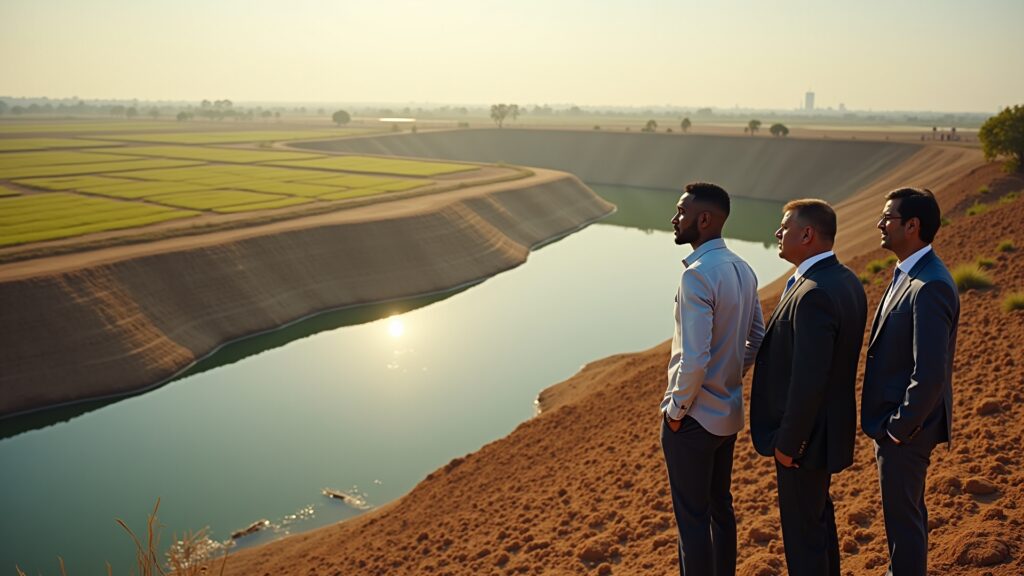













You may not realize it, but several common mistakes in farm loan policy can significantly hinder your growth as a small farmer or agribusiness owner. Understanding these pitfalls is necessary for securing the right financing and ensuring your enterprise flourishes. This blog post will highlight nine key mistakes that could be detrimental, offering you insights to navigate the complexities of farm loans effectively and set your agricultural venture on a path to success.
Key Takeaways:
- Inadequate understanding of loan terms can lead small farmers to accept unfavorable conditions, impacting their financial stability.
- Neglecting to assess cash flow needs results in insufficient funding for imperative operational costs.
- Lack of diversification in crops or livestock can increase vulnerability to market fluctuations and environmental changes.
Understanding Farm Loan Policies
Your ability to navigate farm loan policies significantly influences the success and sustainability of your agricultural ventures. Grasping the nuances of these policies allows you to make informed decisions that can propel your business forward, securing the necessary funds while minimizing risks and costs.
Overview of Farm Loan Programs
Farm loan programs are designed to support your agricultural endeavors through various financing options, including direct loans, guaranteed loans, and microloans. These programs cater to different needs, whether you’re investing in equipment, purchasing land, or funding operational expenses, ensuring you have access to tailored financial solutions.
Importance of Appropriate Loan Structures
Selecting the right loan structure is vital for your financial health and long-term growth. An appropriate loan structure aligns your repayment terms with your cash flow and business cycles, avoiding undue stress during peak seasons or unexpected downturns.
For instance, consider how fixed vs. variable interest rates can impact your total repayment costs over time. Fixed rates offer predictability, which can ease budgeting, while variable rates may start lower but can rise significantly. Choosing the wrong structure may lead to overwhelming debt, particularly if your income fluctuates seasonally. A well-structured loan with flexible repayment options can help you manage risks effectively and enhance your resilience in a volatile market.
Common Mistakes in Farm Loan Policy
Identifying common mistakes in farm loan policy can significantly impact your ability to grow and sustain your farming operation. Inadequate policies often overlook the specific needs of small farmers, leading to a mismatch between available loans and actual requirements. This misalignment can result in insufficient funding or poorly structured loan terms that hinder growth and financial stability. Understanding these pitfalls is vital for making informed decisions that promote agricultural success.
Lack of Financial Education for Farmers
Many small farmers enter loan agreements without a solid grasp of financial concepts, which puts them at a disadvantage. Insufficient financial education can lead to poor decision-making regarding loan terms, interest rates, and repayment schedules. This lack of understanding may result in long-term debt cycles that are hard to break, ultimately undermining your business growth potential.
Inadequate Loan Products for Diverse Needs
The agricultural landscape is diverse, yet many loan products fail to cater to varying requirements. When lenders offer a one-size-fits-all approach, you might find that the available options do not align with your specific operational needs, such as seasonal cash flow fluctuations or unique crop financing demands. Consequently, this inadequacy can limit your access to critical funds necessary for successful operations.
To illustrate, consider a small organic farm that requires seasonal financing for equipment purchases and crop cultivation. If the loan products available don’t offer flexibility in repayment or fail to match the farm’s cash flow, you might struggle to cover expenses during critical periods. Such constraints can lead to underinvestment in growth opportunities and a reliance on high-interest emergency loans, trapping you in a cycle of debt.
Overlooking Risk Assessment Processes
Ignoring thorough risk assessment processes can be detrimental for small farmers seeking loans. Without proper evaluation of the various risks associated with your agricultural ventures, you may face unforeseen challenges that jeopardize your ability to repay loans. A lack of focus on risk assessment not only affects your financial outlook but can also deter lenders from offering favorable terms.
Many lenders underestimate the complexity of agricultural risks, from market volatility to climate-related impacts. If you don’t engage in comprehensive risk assessments, it can lead to over-optimistic projections and inadequate preparation for adversity. Emphasizing robust risk management strategies not only reassures lenders of your viability but also equips you with the necessary insights for sustainable farming, enhancing your long-term growth potential.
Impact of Poor Loan Policies on Small Farmers
Inadequate loan policies disproportionately burden small farmers, limiting their ability to thrive in a competitive market. Suboptimal interest rates, unclear repayment schedules, and excessive collateral demands lead to financial instability, pushing many small farmers into a cycle of debt. The inefficiencies in loan processing can further delay access to crucial funds needed for timely planting or purchasing necessary equipment. Ultimately, these policies stifle innovation and reduce the overall productivity of agricultural sectors reliant on small operations.
Financial Strain and Business Viability
When loans are structured unfavorably, you face significant financial strain that jeopardizes the viability of your farming operation. High-interest rates and rigid repayment terms drain your resources, leaving little for reinvestment. With limited cash flow, making necessary improvements becomes challenging, leading to stagnation. This situation can force you to consider cutting back on inputs or even abandoning certain crops, which ultimately undermines your ability to compete in the marketplace.
Long-term Effects on Agricultural Growth
Poor loan policies create a ripple effect that hampers long-term agricultural growth within your community. Restrictive financing limits your capacity to adopt advanced technologies or sustainable practices, necessary for future success. Over time, this translates into lower yield outputs, reduced diversification, and ultimately, diminished overall productivity in the agricultural sector. As a result, the local economy suffers, and former farming potential may never be realized.
For example, regions where small farmers reported high interest rates saw a 25% drop in crop diversification over a decade. Without access to favorable terms, many farmers stick to low-margin crops, missing opportunities to innovate and adapt. Additionally, this lack of investment perpetuates a cycle of poverty, as small farmers struggle to elevate their operations. The long-term consequences are detrimental, leaving rural communities vulnerable and stagnant in an evolving agricultural landscape. Establishing supportive loan policies is necessary for reversing these trends and ensuring sustainable growth for the future.
Strategies for Improving Farm Loan Policies
Implementing effective strategies to enhance farm loan policies is vital for fostering growth in small farms and agribusinesses. By focusing on custom solutions tailored to individual farmer needs and improving financial literacy, lenders can create an environment that promotes sustainability and resilience in the agricultural sector.
Tailoring Loans to Farmer Needs
Customizing loan products to align with the specific operations and challenges of farmers enhances their financial success. By considering factors like crop cycles, market fluctuations, and unique farm sizes, you can design loans that offer flexible repayment schedules and varied interest rates that are more manageable.
Enhancing Financial Literacy and Support
Developing financial literacy among farmers equips them with the knowledge to navigate loan processes and make informed decisions. Providing educational resources and workshops can significantly improve their understanding of financial products, enabling better engagement with lenders and more robust business planning.
Research shows that farmers with financial education are 60% more likely to apply for loans suited to their needs. By incorporating workshops on budgeting, investment strategies, and risk management, you empower farmers to not only pursue loans but also responsibly manage their debt. Initiatives can include partnerships with local agricultural extension services or collaborations with universities to design targeted curricula that cater to common challenges faced by small farmers. Ultimately, enhancing financial literacy reduces reliance on predatory lending, giving farmers a greater chance to thrive sustainably.
Case Studies: Successful Loan Policy Adjustments
Real-world examples illustrate how strategic loan policy adjustments can revolutionize small farming operations and boost agricultural productivity significantly.
- Farmers’ Cooperative in North Carolina: After negotiating more flexible repayment plans, 65% of cooperative members reported increased yield, resulting in a 30% profit margin rise within two years.
- Iowa Corn Growers Association: The implementation of low-interest rate loans led to investment in new technology, boosting average corn production per acre by 15% in a single season.
- California Organic Farmers: Adjusted access to microloans helped 200 farmers transition to organic practices, achieving a 40% increase in sales over three years.
- Texas Small Farm Initiative: By simplifying loan applications and including credit education, there was a 50% rise in loan approval rates, fostering a 25% growth in small farm revenues.
- Ohio Greenhouse Producers: Collaborating with local banks on tailored loan products increased their expansion capability, leading to a 100% increase in production in five years.
Stakeholder Roles in Reforming Farm Loan Policies
Effective reform in farm loan policies relies on the active participation of various stakeholders, each playing a pivotal role in enhancing the lending landscape for small farmers and agribusinesses. Collaboration among government bodies, financial institutions, industry organizations, and the farmers themselves fosters the creation of tailored solutions that address diverse needs, ensuring sustainable growth in the agricultural sector.
Government Involvement and Regulations
Your government must establish clear regulations and incentives that promote equitable access to farm loans. By simplifying the application process and offering financial literacy programs, it can empower small farmers to make informed decisions about their borrowing options. Proper oversight is vital to mitigate predatory lending practices that often plague rural communities.
Role of Financial Institutions
Financial institutions play a key role in providing the capital that small farmers need for their operations. They must assess their lending practices to ensure they align with the unique challenges faced by agricultural businesses. A more nuanced understanding of farming cycles and risks can lead to better-tailored loan products, ultimately benefiting both lenders and borrowers.
By developing specialized loan programs and flexible repayment terms, financial institutions can support small farmers through various stages of their production cycles. For instance, creating seasonal loans that align with planting and harvest times allows farmers to manage their cash flow more effectively. Additionally, offering lower interest rates or grants for sustainable farming practices encourages not only growth but also environmental stewardship, making a significant impact on the agricultural landscape as a whole.
To wrap up
With these considerations, you can avoid the common pitfalls in farm loan policies that hinder small farmers and agribusiness growth. By staying informed about the terms, understanding your financial situation, and actively engaging with lenders, you empower yourself to make better decisions. Fostering strong relationships with financial institutions and utilizing available resources will enhance your ability to secure favorable loan conditions. Addressing these issues proactively helps ensure your agricultural ventures thrive and achieve long-term success.
FAQ
Q: What are some common pitfalls in loan applications for small farmers?
A: One major pitfall is inadequate documentation of financial histories and business plans. Lenders require detailed records to assess risk. Failing to provide thorough information can lead to rejected applications. Additionally, not understanding the terms of the loan can result in unexpected repayment burdens.
Q: How does poor credit impact small farmers seeking loans?
A: Poor credit history restricts access to favorable loan options. Lenders often charge higher interest rates or impose strict conditions on loans for individuals with low credit scores. This can increase financial strain on small farmers, hindering their ability to invest in growth and productivity.
Q: What role does the understanding of loan types play in business growth?
A: Misunderstanding loan types can lead to poor financial decisions. For example, not differentiating between operating loans and equipment financing may result in inappropriate use of funds. This misallocation can stifle operational efficiencies and ultimately impede business growth.