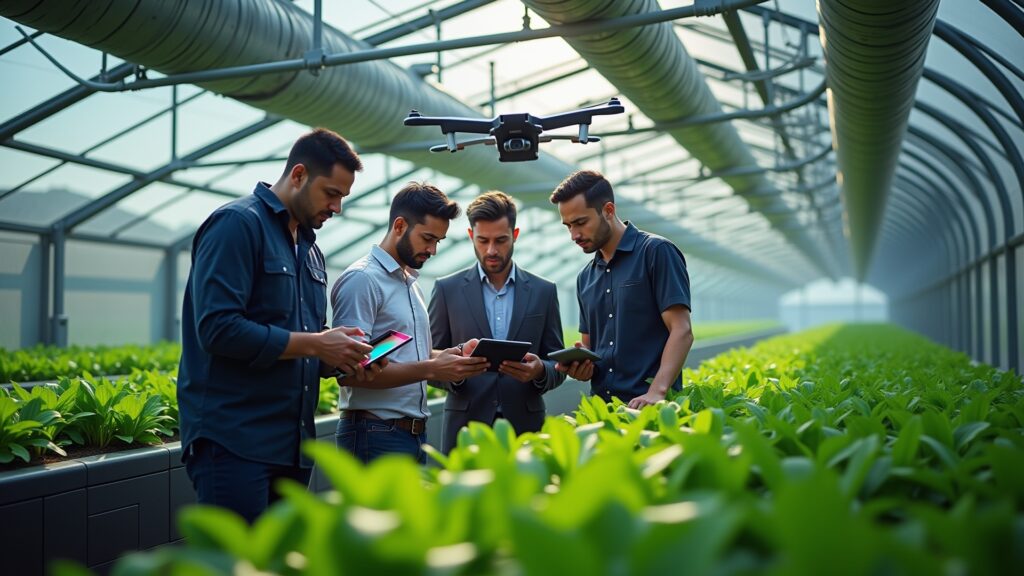













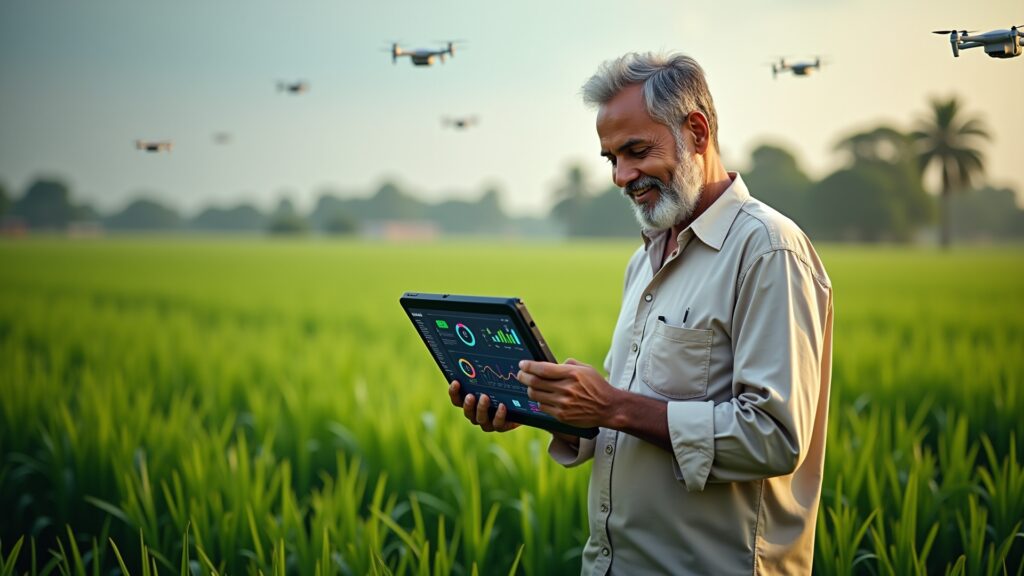
As an agribusiness leader, investor, policymaker, or innovator deeply embedded in Indian agriculture, you stand at a pivotal junction where artificial intelligence (AI) is no longer a futuristic notion but a strategic asset. AI in agriculture offers you a powerful lever to redefine the productivity paradigms of India’s 89% marginal farmers—the backbone of the nation’s rural economy and agriculture supply chain. Effectively deploying AI solutions is not just about technological adoption; it’s your gateway to sustainable farm profitability, inclusive growth, and a resilient agritech ecosystem.
Why This Matters to You
Marginal farmers in India operate under tight resources, fragmented landholdings, and traditional practices—constraints that have historically restricted yield improvements and economic advancement. As someone shaping agribusiness or agriculture policy, you must recognize that integrating AI-driven innovations is a game-changer. It empowers these farmers with data-centric decision-making tools, precision farming techniques, and digital supply chain intelligence. The outcome? Increased farm productivity, reduced post-harvest losses, and improved income stability—all crucial for scaling rural market growth and ensuring sustainable agriculture.
What Is Happening: AI Innovations Targeting Marginal Farmers
Your industry is witnessing a surge of AI-powered solutions designed specifically for smallholder contexts. These include:
- Smart advisory platforms delivering real-time crop and weather insights tailored to micro-farming conditions.
- AI-enabled soil health diagnostics that optimize input use and reduce wastage.
- Precision irrigation systems controlled by AI algorithms sensitive to water availability and crop requirements.
- Supply chain management tools using AI to forecast demand, manage inventory, and reduce market link gaps.
These technologies are not isolated experiments but are increasingly backed by venture capital investments and supported by policy frameworks aiming to digitalize rural agriculture.
Key Business and Policy Implications for Agribusiness Stakeholders
From your perspective, the rise of AI in agriculture reshapes competitive dynamics. Consider the following strategic impacts:
- Market Expansion: With 89% of farmers classified as marginal, tapping into AI solutions unlocks a vast underserved rural market for agritech firms and input suppliers.
- Investment Opportunities: Directing capital into AI-enabled agritech startups positions you to ride the wave of a tech-enabled agri transformation with scalable returns.
- Policy Influence: Advocating for inclusive digital agriculture policies can catalyze ecosystem collaboration, ensuring that AI-generated insights translate into actionable farmer benefits.
- Sustainability Commitment: AI accelerates precision farming practices that conserve resources and lower environmental footprints, aligning with global ESG trends.
Deeper Strategic Insight: Unlocking AI’s Full Potential in Marginal Farming
Realize that AI’s value extends beyond technology features. The strategic challenge lies in bridging accessibility, affordability, and literacy gaps for marginal farmers. You should prioritize solutions embedded in local context—language, cropping patterns, socio-economic realities—and integrate AI with frontend extension services. Partnerships between agritech firms, cooperatives, and government bodies will be crucial to create a supportive infrastructure that nurtures trust and adoption.
Remember, “In agriculture, timing is rarely just operational — it is strategic.” Accelerating adoption hinges on delivering timely, trustworthy insights that align with farmers’ decision windows across sowing, input purchase, and market sale seasons.
Practical Takeaways for Agribusiness Leaders and Investors
- Understand that integrating AI in marginal farmer segments requires tailored product design emphasizing simplicity and cost-effectiveness.
- Monitor emerging startups focusing on AI-powered advisory and supply chain solutions catering to smallholders.
- Explore collaborations with fintech and digital payment platforms to remove barriers in farmer access to technology.
- Advocate for policies that incentivize technology diffusion, farmer data protection, and rural digital infrastructure build-out.
- Evaluate your agribusiness strategies with sustainability metrics linked to precision agriculture enabled by AI.
Expert Perspectives
“The real opportunity is not in reacting late, but in understanding where the market is moving next.”
“When policy, technology, and farm economics align, growth becomes more scalable.”
“AI-driven agriculture transforms more than yields; it reshapes rural livelihoods and the future of agribusiness.”
Risks, Challenges, and Cautionary Considerations
While AI promises transformative benefits, be mindful of key challenges: unequal access to digital infrastructure, data privacy concerns, and the risk of technology alienating the most vulnerable farmers who lack digital literacy. Overcoming these barriers demands a multi-stakeholder approach with equitable focus, robust user education, and responsible data governance frameworks.
What You Should Watch Next
Track government initiatives promoting digital agriculture, especially those incorporating AI into extension services and credit facilitation. Watch how leading agritech companies scale pilots from niche regions to pan-India deployment. Follow policy debates on farmer data rights and agritech investments that impact your strategic decisions.
Conclusion: Navigating the Digital Transformation of Marginal Farming
Harnessing AI in agriculture is an essential strategic pathway to scale productivity among India’s marginal farmers. For you, this means leveraging agritech innovation to drive sustainable, profitable, and inclusive growth in the rural economy. As AI continues to mature, your role in aligning technology, policy, and market strategy will define the future of Indian agriculture—one that optimally combines tradition with innovation for resilient farm livelihoods.
Your business decisions today in adopting or enabling AI-powered solutions can transform not only agricultural yields but the entire ecosystem’s sustainability and profitability. The time to capitalize on AI in agriculture for marginal farmers in India is now.