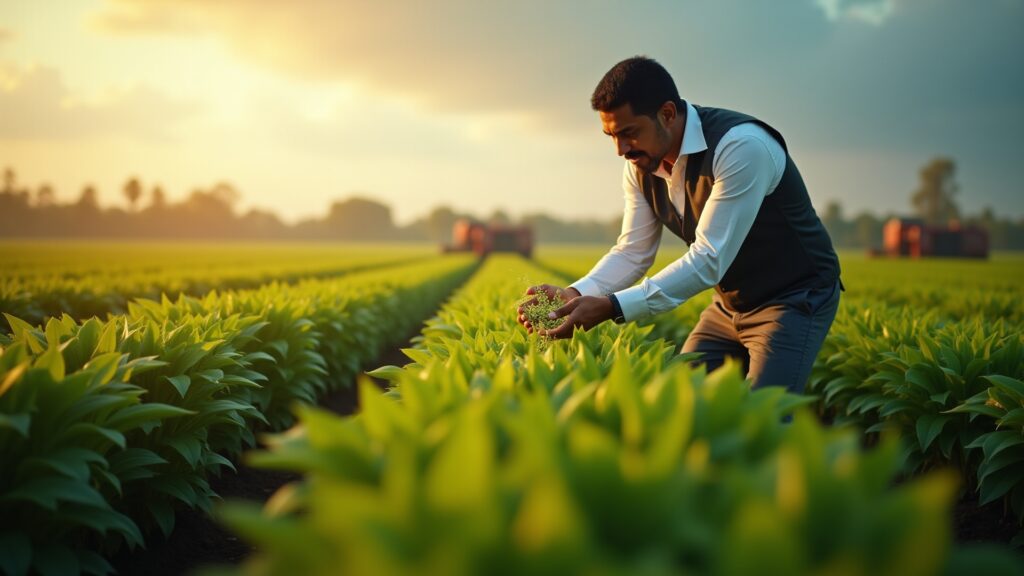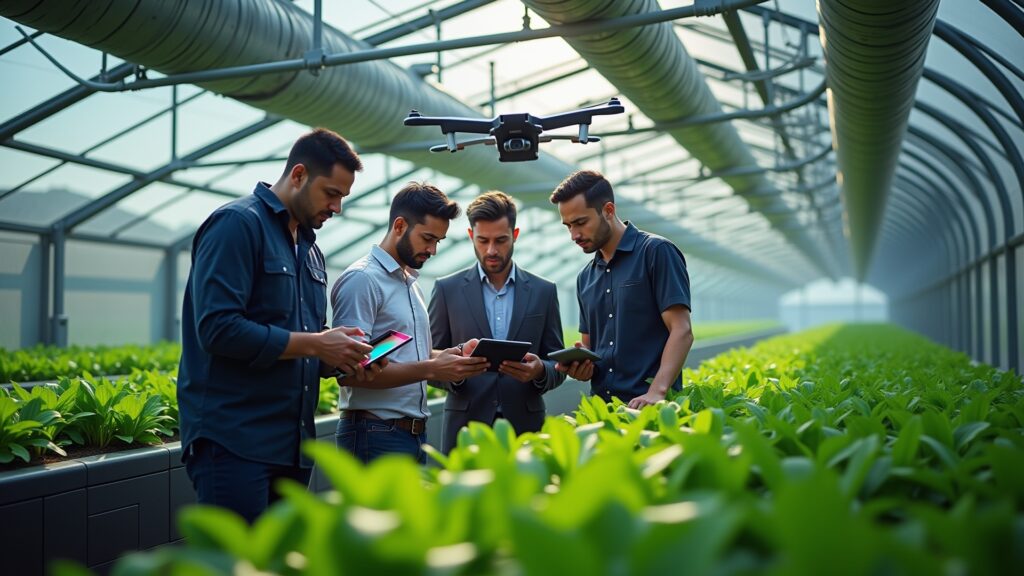














As an agribusiness leader, investor, or policy influencer, you are witnessing a pivotal shift in Indian agriculture—one that blends innovation with sustainability. Biofertilisers, once a niche concept, have now become central to reshaping how farming is practiced across India. This change is not merely about enhancing soil or crop yields; it is a strategic turning point influencing farm finance, agritech investment, rural economies, and supply chains. Understanding this evolution unlocks opportunities for you to make informed decisions that drive profitability and environmental stewardship simultaneously.
Why Biofertilisers Matter to Your Agribusiness Strategy
If your priorities include sustainable agriculture and long-term farm profitability, biofertilisers present more than an ecological benefit—they offer a competitive edge. Their integration into Indian farming practices reduces dependence on chemical fertilisers, cutting input costs while improving soil health. This means higher quality yields and greater resilience against market and climate volatility. For agritech entrepreneurs and investors, biofertilisers symbolize a growth corridor, aligned with policy trends emphasizing environmental care and rural development.
The Evolution: What Is Happening with Biofertilisers in India?
The adoption of biofertilisers in India is accelerating, driven by government incentives, increasing awareness among progressive farmers, and technological advances in production and application. These natural fertilisers use beneficial microorganisms to enhance nutrient availability and soil fertility, directly complementing organic and integrated farming systems. The result is a soil ecosystem that supports healthier plant growth and reduces the environmental footprint of intensive agriculture.
Strategic Business and Market Impacts
As biofertilisers gain prominence, they influence multiple facets of the agricultural value chain. You can expect:
- New agritech startup opportunities: Companies innovating in biofertiliser formulations, application tools, and farm advisory services.
- Investment influx: With sustainability as a key funder criterion, biofertiliser ventures are attracting venture capital and impact investors.
- Policy alignment: Central and state governments are rolling out subsidies and awareness programs to support adoption, which reduces risks for you as a business operator.
- Supply chain transformation: Enhanced demand for biofertilisers is spawning new distribution networks and cold chain logistics tailored to these biological products.
- Economic upliftment of rural economies: Increasing biofertiliser manufacturing units in rural areas creates jobs and supports local enterprise development.
Deeper Insight: Integrating Biofertilisers into Farm Finance and Agribusiness Models
Biofertiliser adoption demands a shift in your approach to farm capital allocation and input sourcing. Unlike chemical fertilisers, biofertilisers may have variable application timing and effectiveness linked to soil biology and climatic conditions. This influences cash flow planning and risk assessments in farm finance models. On a broader scale, integrating biofertilisers bolsters the sustainability credentials of your supply chain, appealing to increasingly eco-conscious buyers and export markets.
“In agriculture, timing is rarely just operational — it is strategic.” The precision required in biofertiliser application underscores the need for agritech solutions that provide timely insights and recommendations. Moreover, success in this area can differentiate your brand as a leader in sustainable agricultural practices.
Practical Takeaways for Agribusiness Leaders and Investors
- Evaluate incorporating biofertilisers into your product portfolio or farm recommendations, emphasizing their role in integrated nutrient management.
- Monitor policy developments and subsidy schemes supporting biofertiliser usage to optimize your operational costs and incentives.
- Invest in or partner with agritech ventures specializing in biofertiliser innovation, logistics, and farmer education platforms.
- Prioritize farmer training on biofertiliser benefits and application timing to improve yield and soil sustainability.
- Analyze the supply chain modifications required to handle the biological nature of biofertilisers, including storage and transportation.
Expert Perspective
“The real opportunity is not in reacting late, but in understanding where the market is moving next.”
“When policy, technology, and farm economics align, growth becomes more scalable.”
“Sustainability in agriculture is a strategic imperative, not just a compliance checkbox.”
Risks and Challenges You Should Recognize
Despite their advantages, biofertilisers come with certain operational challenges. Their efficacy can vary due to soil types, climate, and crop requirements, making consistent results harder to guarantee compared to synthetic fertilisers. Infrastructure for cold storage and timely distribution remains underdeveloped in many regions, potentially limiting supply chain efficiency. Additionally, inadequate farmer awareness and training can delay widespread adoption, underscoring the need for strong extension services and capacity-building initiatives.
What to Watch Next in the Biofertiliser Landscape
Keep an eye on emerging technological advances such as microbial consortia tailored for specific crops, digital platforms for precision application, and integration with other sustainable farming inputs. Policy frameworks are likely to strengthen incentives and create quality standards that will professionalize biofertiliser markets. For investors and agribusinesses, early movers who deepen these capabilities typically gain a lasting competitive advantage.
Conclusion: Seize a Sustainable Growth Opportunity with Biofertilisers
For your agribusiness or investment strategy, biofertilisers are much more than an agronomic input—they represent a transformative trend, marrying sustainability and profitability in Indian farming. Their growing adoption signals a structural shift in Indian agriculture, driven by technology, policy support, and evolving farmer practices. Embracing this change with informed strategies can position you ahead in the emerging green revolution, delivering value to the rural economy, enhancing farm profitability, and boosting your competitive edge in the global market.