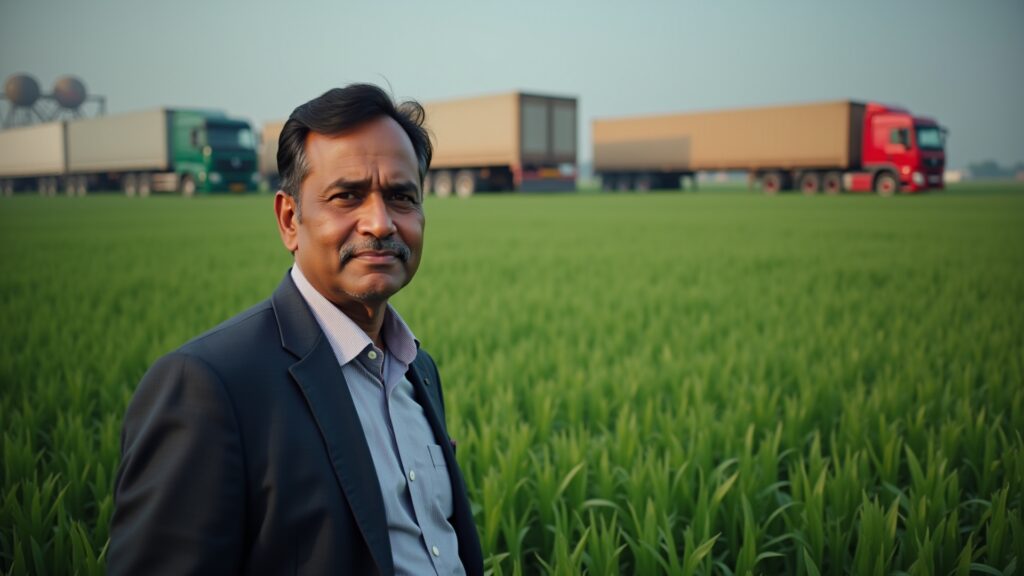














As a leader or decision-maker in India’s agribusiness sector, you are acutely aware that the sustainability and profitability of farming depend heavily on a steady supply of critical inputs like fertilizers and agricultural chemicals. Recent geopolitical tensions, particularly the prolonged conflict in Iran, have spotlighted vulnerabilities in India’s farm input supply chain that you cannot afford to ignore. Understanding and addressing these disruptions is now central to your strategic planning, operational resilience, and long-term growth.
Why This Development Matters to You
The Indian Prime Minister’s Office (PMO) has directed the Agriculture Ministry to urgently devise solutions to tackle fertilizer and chemical shortages arising from international conflicts. This is not just a policy headline; it translates directly to the challenges you face in managing input costs, securing supply chains, and maintaining your farm yields. Without proactive measures, shortages could curtail agricultural productivity, destabilize the rural economy, and strain agribusiness margins.
For agribusiness owners, investors, and policymakers, this signals an immediate need to rethink procurement, supply chain strategies, and innovation adoption. Your ability to navigate these constraints will determine competitive advantage and the pace at which Indian agriculture can sustain its growth trajectory.
What Is Happening
The ongoing conflict in Iran—a key supplier of raw materials for fertilizers and agricultural chemicals—is exacerbating supply chain disruptions worldwide. India, heavily reliant on imports for certain fertilizer components and crop protection agents, is experiencing shortages that threaten input availability during critical crop cycles.
The PMO’s intervention underscores the severity of the situation and highlights the urgency for the Agriculture Ministry to formulate effective countermeasures. This includes diversifying supply sources, ramping up domestic production, and exploring alternative inputs that reduce dependency on vulnerable geopolitical landscapes.
Key Business and Agricultural Impacts
- Supply Chain Vulnerability: A reliance on limited import sources exposes you to price volatility and supply interruptions, undermining production planning and cash flow management.
- Crop Yield Risks: Fertilizer and chemical shortages can lead to suboptimal crop nutrition and pest control, impacting yields and quality, thereby reducing farm profitability.
- Market and Policy Ripple Effects: Input scarcity may drive up procurement costs, influence crop choices, and prompt regulatory interventions aimed at stabilizing supplies and prices.
- Investor Confidence and Agribusiness Strategies: Uncertainty in input availability challenges investment decisions and calls for strategic agility in risk management practices.
Strategic Insights: Navigating Geopolitical Supply Risks
To safeguard your interests and those of the broader agribusiness ecosystem, it is critical to adopt a multi-pronged strategy:
- Supply Chain Diversification: Broaden your sourcing networks beyond traditional suppliers, tapping into emergent markets and leveraging bilateral trade channels with stable partners.
- Investment in Domestic Production: Support and engage with initiatives to boost India’s fertilizer manufacturing capacity. This reduces import dependency and enhances supply reliability.
- Innovation in Inputs: Evaluate alternative fertilizers such as bio-fertilizers and nano-fertilizers which offer sustainable input options and resilience against traditional supply shocks.
- Data-Driven Procurement: Deploy technology and agritech tools to forecast input needs, monitor supply risks, and optimize inventory management for timely interventions.
- Policy Engagement: Collaborate actively with policymakers to ensure that regulatory frameworks support strategic reserves, flexible import norms, and incentives for indigenous production.
“In agriculture, timing is rarely just operational — it is strategic.” This applies acutely when managing complex input supply chains affected by international geopolitical dynamics.
Practical Takeaways for Agribusiness Leaders and Investors
- Understand the direct correlation between geopolitical events and agriculture input security.
- Monitor policy developments closely to anticipate shifts in import regulations and subsidy structures.
- Prioritize investments that enhance supply chain resilience — include local production and technology adoption.
- Build flexible procurement strategies that hedge against market disturbances.
- Support innovation in agriculture inputs, both for sustainability and operational continuity.
Expert Perspective
“The real opportunity is not in reacting late, but in understanding where the market is moving next.”
“When policy, technology, and farm economics align, growth becomes more scalable.”
Risks and Challenges Ahead
Despite strategic efforts, you must be prepared for ongoing uncertainties. Prolonged geopolitical conflicts could intensify disruptions. Price inflation in global commodity markets might increase procurement costs. Domestic production ramp-up requires time, investment, and regulatory support which can be uneven across states.
You also face the challenge of balancing input cost pressures against farmers’ profitability and willingness to invest in innovation. Navigating this complex landscape requires foresight, agility, and coordination across the agribusiness ecosystem.
What You Should Watch Next
Keep a close eye on the Agriculture Ministry’s policy announcements and relief measures tailored to address the fertilizer and chemical shortage. Monitor global political developments and alternative supply chain routes that could open new import corridors. Observe technology trends in alternative fertilizers and digital supply chain management tools emerging from agritech startups.
Conclusion
The ongoing fertilizer shortage triggered by geopolitical tensions presents a critical strategic challenge for India’s agriculture sector — one that you cannot afford to overlook. It demands proactive leadership and an integrated approach encompassing supply chain resilience, innovation adoption, and policy collaboration.
By comprehensively understanding and addressing these farm input challenges, you can protect your business from volatile shocks and position yourself for sustainable growth in a rapidly evolving global environment.
Embracing these strategies ensures that your role—as an agribusiness leader, investor, or policymaker—is not just reactive but visionary, contributing decisively to India’s agricultural future.
“The real opportunity is not in reacting late, but in understanding where the market is moving next.”