
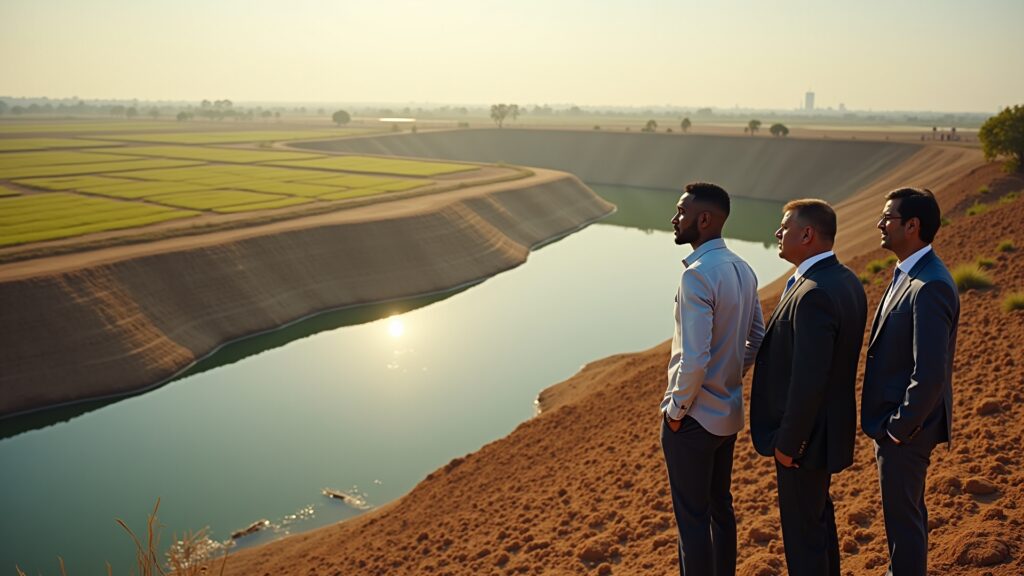












Your agribusiness decisions hinge on reliable resources, and with India’s reservoir levels plunging to 47%, the landscape you operate in is shifting under your feet. This significant drop in water storage is more than a hydrological fact; it is a strategic signal that demands your immediate attention and recalibrated approach to risk, investment, and sustainability.
Why This Matters to You as an Agribusiness Leader
Water scarcity in agriculture directly affects everything from crop yields and input costs to supply chain stability and farm financing. As you steer your enterprise or investment portfolio in the Indian agrarian context, understanding the nuances of water availability becomes a cornerstone of resilience. The reservoir depletion reflects deeper climate vulnerabilities and policy shifts that can disrupt your production timelines, elevate operational costs, and impact rural economies tied to your value chains.
The Current Reality: India’s Reservoir Levels at 47%
The latest reports indicate reservoir storage across India has dipped to less than half capacity. This statistic translates into a looming water crisis with immediate and long-term ramifications. Reservoirs, which buffer monsoon variability and maintain irrigation supplies, are dwindling—a scenario that raises red flags for agricultural production, particularly for water-intensive crops. This scenario compels you to critically analyze water management practices and supply chain dependencies.
Business and Market Implications for Agribusinesses
From an agribusiness perspective, water scarcity reshapes risk profiles across finance, production, and distribution:
- Farm Finance Vulnerability: Lower reservoir levels increase drought risk, directly impacting credit recovery and insurance claims, influencing lending policies and investment returns.
- Supply Chain Fragility: Reduced water availability threatens crop output volumes, affecting downstream processing units, export commitments, and commodity price stability.
- Policy and Regulatory Shifts: Expect shifts toward stricter water use regulations and incentives for conservation technologies, which could alter cost structures and operational protocols.
Understanding these dynamics equips you to navigate financing conditions, negotiate contracts, and rethink supply chain resilience.
Strategic Deeper Insight: Aligning Agribusiness with Water Sustainability
To safeguard your agribusiness against the climate-induced water crisis, you must embed sustainability into your strategic framework. This means prioritizing advanced water-saving technologies like precision irrigation, adopting drought-resilient crop varieties, and integrating water risk into your business continuity plans. It’s also about influencing policy through collective leadership and innovation adoption to drive sustainable water governance.
“In agriculture, timing is rarely just operational — it is strategic.”
Leveraging data-driven irrigation scheduling and investing in water storage infrastructure can boost your operational efficiency and risk readiness. Moreover, a proactive stance in sustainable water management not only mitigates risks but also positions your enterprise as a leader in environmental stewardship, appealing to ESG-conscious investors.
Practical Takeaways for Agribusiness Leadership
- Monitor reservoir and groundwater data regularly to anticipate shortages early.
- Invest in and scale water-efficient technologies such as drip irrigation and sensor-based soil moisture monitoring.
- Incorporate water risk assessments into your financial and supply chain planning.
- Engage with policymakers to stay ahead of regulatory changes and advocate for supportive water management policies.
- Explore diversification of crop patterns to include drought-resilient and less water-intensive options.
- Collaborate across your value chain to develop shared water stewardship initiatives.
Insights to Consider
“The real opportunity is not in reacting late, but in understanding where the market is moving next.”
“When policy, technology, and farm economics align, growth becomes more scalable.”
Risks and Challenges to Navigate
Despite your best efforts, water scarcity risks remain multifaceted. Potential challenges include unpredictable monsoon patterns, uneven regional reservoir depletion, and the lag in technology adoption across farming scales. Financial stresses on farmers could cascade into credit defaults impacting your agribusiness financing. Policy uncertainty could also lead to abrupt shifts in water usage norms requiring swift operational recalibrations.
What You Should Watch Next
Keep a close eye on these developments as they will shape the water and agricultural landscape:
- Government announcements on water management incentives and regulations.
- Monsoon forecasts and reservoir replenishment patterns.
- Emergence of innovative agritech solutions focused on water conservation.
- Financial institutions updating risk frameworks around water crises.
- Collaborations in the rural economy aimed at sustainable water resource management.
Conclusion: Navigating India’s Reservoir Challenges to Secure Your Agribusiness Future
Your agribusiness does not operate in isolation from environmental realities. India’s 47% reservoir levels present both a challenge and a call to strategic action—inviting you to innovate, adapt, and lead in a changing resource landscape. Water scarcity is not just a farm-level issue; it is a complex agribusiness risk that demands integrated strategies incorporating finance, technology, policy, and sustainability. By embracing these insights and actions, you position your enterprise to remain profitable, resilient, and forward-thinking amid the evolving agricultural climate.