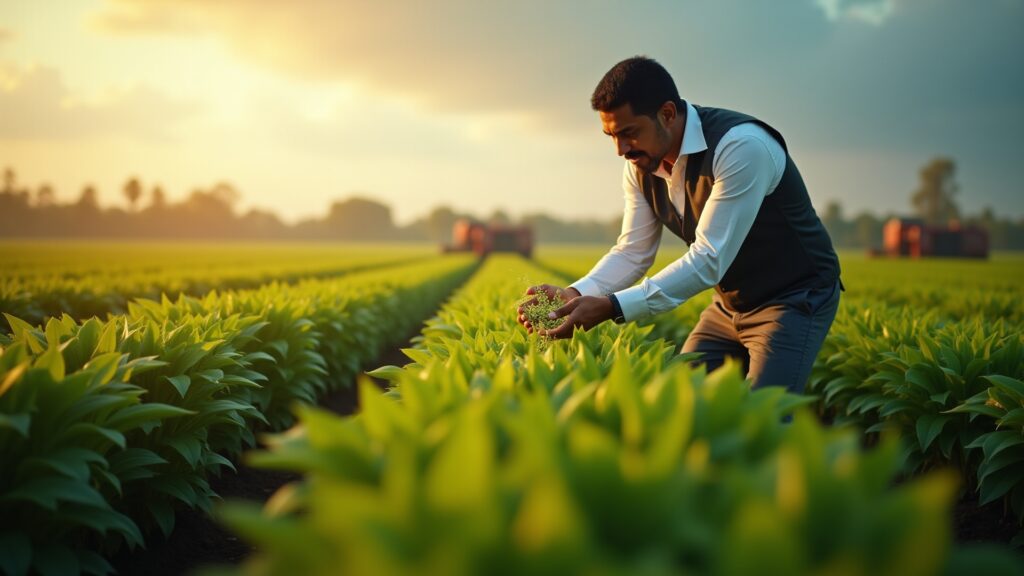
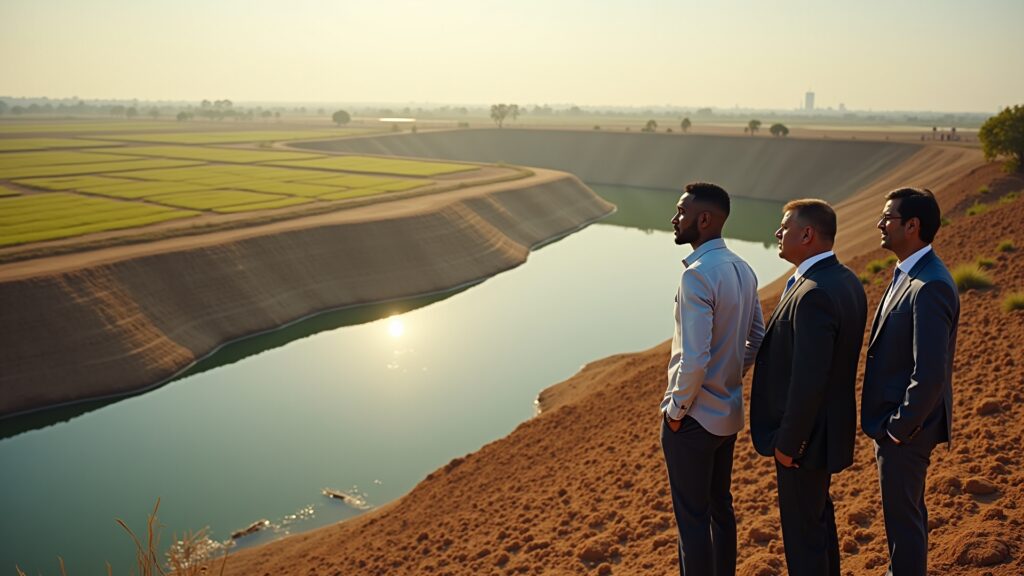
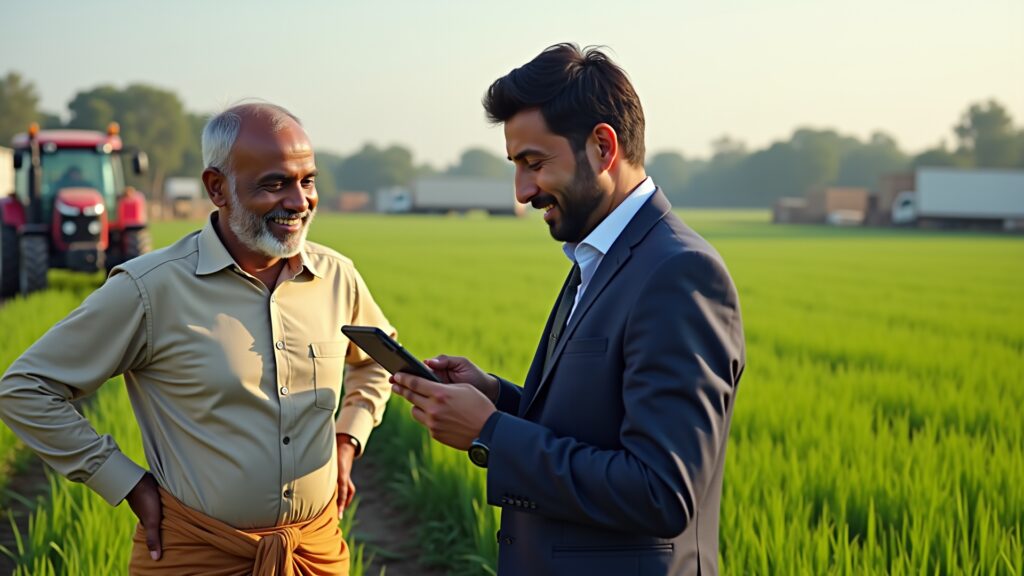












As you steer your agribusiness decisions in 2024, India’s summer sowing season offers a crucial barometer of the country’s agricultural trajectory. The season brings with it a complex blend of progress and persistent challenges that demand your strategic attention and business acumen. Understanding the dynamics behind these mixed results is essential for capturing the full spectrum of growth opportunities while mitigating risks in an increasingly competitive agritech and supply chain landscape.
Why India’s Summer Sowing Outlook Matters to Your Agribusiness
Your investment choices, operational strategies, and policy engagement will hinge on how well you decode this summer’s sowing performance. India’s role as a global agricultural powerhouse means that fluctuations in sowing trends ripple through supply chains, market prices, and rural economies, directly impacting farm profitability and innovation adoption rates. For you, this is not merely a season of planting — it’s a window into the evolving structural health of Indian agriculture and its marketplace.
What the Mixed Trends in India’s Summer Sowing Reveal
This year’s summer sowing season in India exhibits a mixed bag of outcomes that reflect both gains and gaps across regions and crop categories. Certain areas have reported increased sowing acreage buoyed by favourable monsoon forecasts and targeted policy support. Conversely, some zones reveal shortfalls attributed to erratic rainfall patterns, resource constraints, and supply chain bottlenecks.
Key crops critical to food security and agribusiness returns—such as rice, pulses, and oilseeds—present varied sowing volumes that underscore regional disparities and climatic vulnerabilities. These inconsistencies require you to dissect local conditions versus national averages when planning your supply chain or investment portfolio.
Business and Policy Impacts Shaping Your Strategic Decisions
Policy initiatives underpinning irrigation expansion, seed quality enhancement, and digital agri platforms have catalysed gains but have yet to uniformly address systemic gaps. Market access challenges, credit availability, and logistical inefficiencies continue to strain farm-level outcomes and broader rural economy growth.
For you as a leader, recognizing how these policies translate on the ground forms the backbone of risk management and opportunity identification. Agricultural policy impact is not static; it evolves with political, climatic, and economic shifts—demanding continuous strategic recalibration.
Deeper Strategic Insights: Leveraging Innovation and Sustainability
Innovation in agritech and sustainable farming practices emerges as a game-changer amidst these challenges. Digital tools that enhance precision sowing, real-time weather analytics, and supply chain transparency can elevate farm productivity and profitability. You should prioritize technology adoption tailored to the regional nuances highlighted by this sowing season’s variability.
“In agriculture, timing is rarely just operational — it is strategic.” This perspective emphasizes your need to synchronize sowing schedules, inputs deployment, and market placement to optimize returns.
Actionable Takeaways for Agribusiness Leaders and Investors
- Understand regional sowing trends deeply — avoid one-size-fits-all strategies in crop planning and investment.
- Monitor monsoon forecasting and soil moisture analytics closely to adapt quickly to changing conditions.
- Invest in agritech solutions that offer data-driven insights and supply chain efficiency to mitigate gaps.
- Engage proactively with policy developments impacting credit, subsidies, and infrastructure programs.
- Focus on sustainable practices that enhance resilience against climatic risks and resource limitations.
Expert Perspectives to Guide Your Approach
“The real opportunity is not in reacting late, but in understanding where the market is moving next.”
“When policy, technology, and farm economics align, growth becomes more scalable.”
Risks, Challenges, and Cautions You Must Navigate
Despite positive gains, you face ongoing risks: unpredictable weather patterns threaten crop emergence; fragmented supply chains amplify post-harvest losses; and credit constraints restrict timely input procurement. These challenges underscore the imperative for robust strategic planning and agile responses within your operations.
Ignoring these risks could erode competitive advantage and farm profitability, especially as global agricultural markets tighten and consumer demands evolve towards sustainability and traceability.
What to Watch Next in India’s Agricultural Landscape
Stay vigilant on emerging agritech innovations, evolving government policy frameworks, and real-time climate data impacting sowing patterns. Market signals from procurement agencies and commodity exchanges will also provide critical cues on aggregate crop performance and price trends.
By anticipating these developments, you position yourself at the forefront of India’s agricultural evolution, equipped to make informed strategic decisions that drive growth and resilience.
Conclusion: Harnessing the India Summer Sowing 2024 Insights for Strategic Growth
India’s summer sowing 2024 presents a nuanced scenario filled with both promising gains and significant gaps. For you, the agribusiness leader or investor, this season is a strategic checkpoint – offering insights to recalibrate your approach towards technology adoption, policy navigation, and sustainable practices. Aligning your business strategy with these insights can empower you to harness market opportunities, optimize farm productivity, and influence the future trajectory of India’s rural economy.
Remember, your strategic decisions today surrounding India’s summer sowing outcomes are not isolated; they will ripple across the agribusiness value chain, shaping resilience, profitability, and innovation for years to come.