

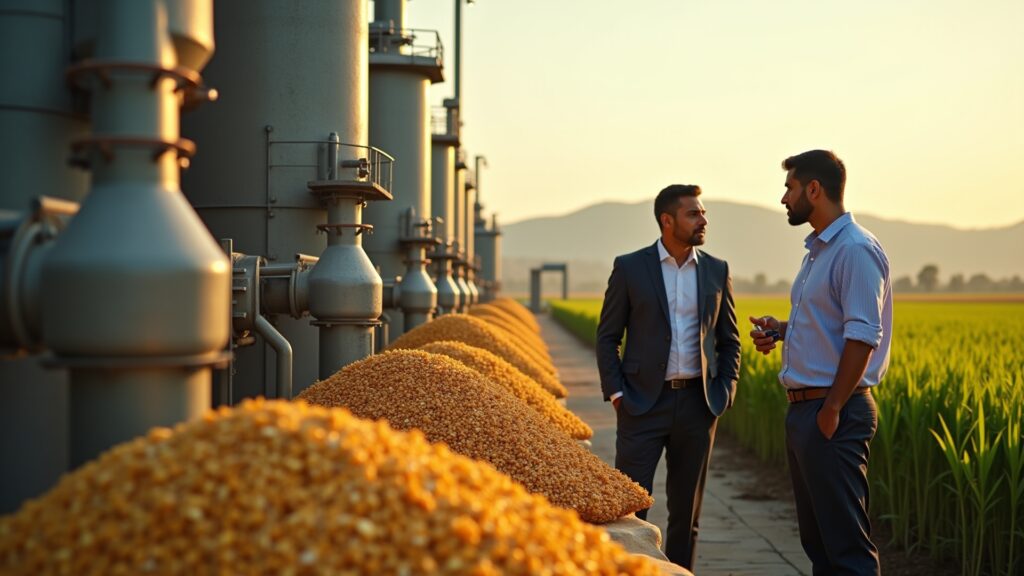
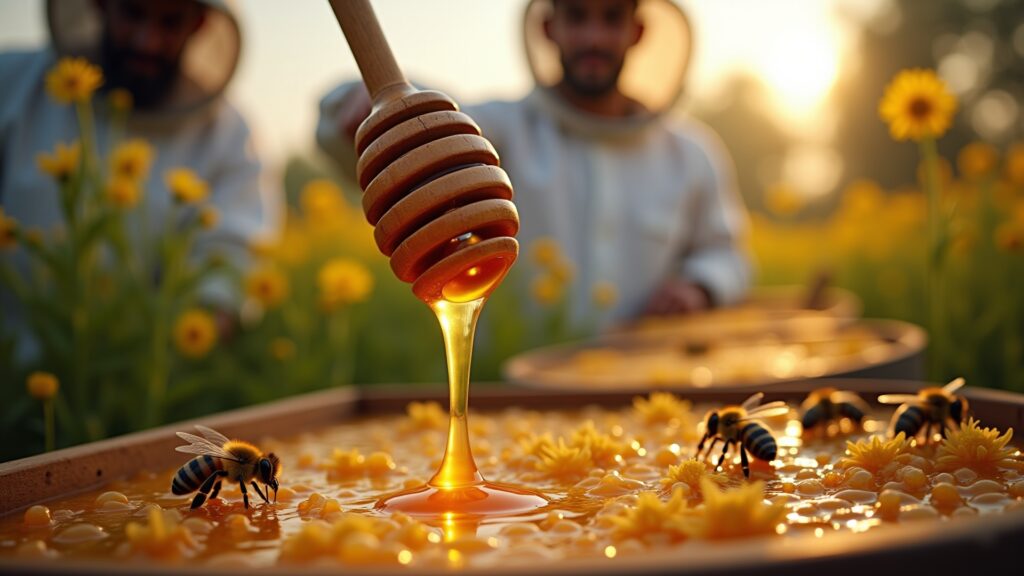









As someone operating in India’s agribusiness landscape, you cannot afford to overlook the transformative shift happening in the country’s honey sector. The natural honey industry in India is moving beyond sheer volume-focused mass production towards a premium quality and purity-driven market. This evolution is more than just about better honey — it signals a strategic realignment in apiculture that touches on sustainability, rural economies, supply chain innovation, and global market positioning.
Why This Shift Should Command Your Strategic Attention
You are navigating an agriculture business ecosystem increasingly shaped by discerning consumers, global compliance standards, and rising sustainability mandates. The shift towards natural honey reflects this very trend: buyers, both domestic and international, demand purity, traceability, and ecological responsibility alongside competitive pricing. For agribusiness owners, investors, and policymakers, this means the future of India’s apiculture is not about out-producing—it’s about out-performing through quality and innovation.
Understanding the Dynamics of India’s Honey Market Transformation
The Indian honey industry is evolving from a predominantly volume-driven commodity paradigm into a specialized sector emphasizing natural purity. This is catalyzed by several forces:
- Consumer Awareness: Increasing awareness around health, food safety, and authenticity is pushing demand for genuine, unadulterated honey.
- Quality Standards and Certification: Stricter domestic and international quality norms require producers to adopt refined extraction, processing, and packaging technologies.
- Sustainability Focus: Sustainable apiculture practices, including biodiversity preservation and chemical-free beekeeping, are gaining commercial viability.
- Export Potential: As global demand for natural honey climbs, Indian producers adopting purity standards can tap lucrative export markets.
These dynamics converge to redefine India’s apiculture industry’s growth trajectory, moving it from a raw-material supplier to a premium natural honey brand globally.
Key Business and Market Implications for You
This transformation opens substantial opportunities—and challenges—in every link of the honey value chain. Here’s how they matter to your agribusiness or investment portfolio:
- Supply Chain Innovation: Upgrading cold chains, traceability platforms, and quality testing infrastructure will be critical to capturing and sustaining premium pricing.
- Rural Economy Integration: Beekeeping can significantly enhance rural livelihoods, positioning apiculture as a scalable rural economy booster in India’s agri policy frameworks.
- Investment Focus: Focused capital allocation on quality-driven processing units, organic certifications, and technology-enabled monitoring systems can yield better returns than volume-based strategies.
- Policy Levers: Aligning business practices with emerging government subsidies and international trade agreements around sustainable farm practices can unlock additional growth levers.
Strategic Insight: Seeing Beyond the Buzz
Understanding this quality-inflection is essential for strategic agribusiness leadership. As you position your operations or investments, consider these insights:
- “The real opportunity is not in reacting late, but in understanding where the market is moving next.” This means anticipating consumer demand for authenticity and sustainability, not just responding to them.
- “In agriculture, timing is rarely just operational — it is strategic.” Entering the natural honey market quality curve now can secure competitive advantage before market saturation.
- “When policy, technology, and farm economics align, growth becomes more scalable.” The current Indian landscape offers a fertile ground for such alignment, driving sustainable apiculture profits.
Practical Takeaways: What You Should Focus On
- Invest in quality control systems and certifications like FSSAI, AGMARK, and organic labeling to access premium market segments.
- Build or partner with tech-enabled supply chains offering full traceability to meet global buyers’ transparency needs.
- Support and integrate local rural beekeepers into your value chain to boost sustainable sourcing and fortify rural economies.
- Monitor policy developments—especially those incentivizing sustainable agriculture and exports—to leverage funding and market access.
- Explore export market trends to identify emerging destinations with rising demand for natural honey.
Risks and Challenges You Must Navigate
Transitioning to natural purity in honey production is not without hurdles. Some risks include:
- Adulteration and Quality Control: Persistent threat of adulterated honey products in the market can dilute brand credibility and investor confidence.
- Technology Adoption Barriers: Small-scale producers may struggle to implement advanced extraction and traceability technologies without coordinated support.
- Climate and Environmental Risks: Climate change impacts bee populations and forage biodiversity, directly affecting honey quality and yield.
- Market Volatility: Premium price segments can be sensitive to economic downturns and supply chain disruptions.
What To Watch Next In India’s Apiculture Landscape
Keep an eye on these developments which could shape the future trajectory of natural honey in India:
- Emerging innovations in beekeeping technology, such as IoT-enabled hive monitoring and AI-powered quality assessment.
- Expansion of export agreements and certifications opening new markets in Europe, the Middle East, and East Asia.
- Government and private sector initiatives integrating apiculture into climate-smart agricultural frameworks.
- Growth in consumer education on honey authenticity leading to direct brand-consumer engagement models.
Conclusion: Positioning for Quality-Driven Success
Your role in India’s apiculture transformation is pivotal. By embedding quality, sustainability, and innovation into your honey production or investment strategies, you are not just riding a market trend—you are helping to set a new global benchmark for natural honey. This recalibration from mass production to purity blends profitability with purpose, rural prosperity with modern agribusiness, and local legacy with international aspiration.
Making strategic decisions now to capture this quality-shift will enable you to unlock significant value in the agricultural business ecosystem while contributing meaningfully to sustainable rural economy growth and enhanced India honey exports.