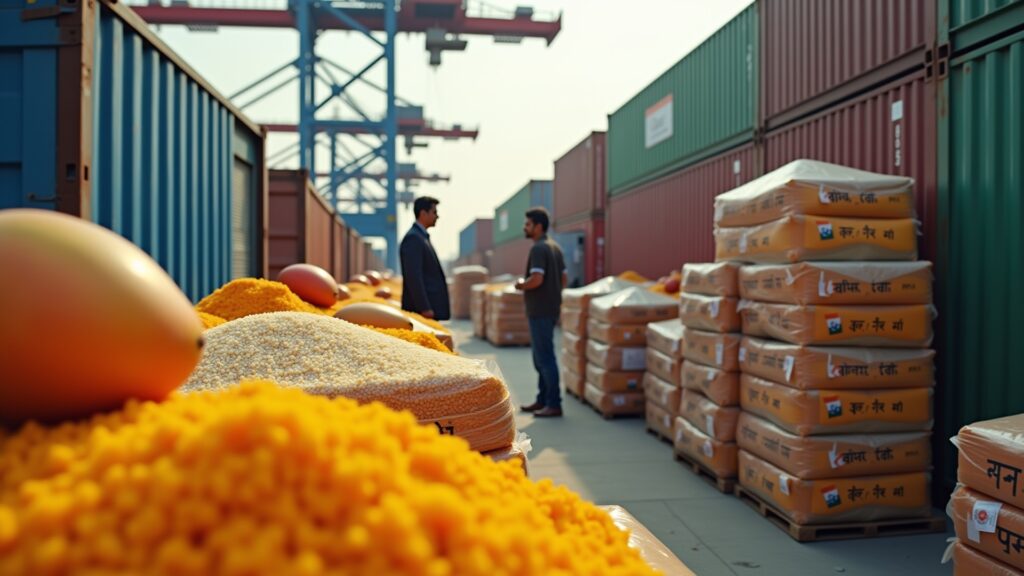













As an agribusiness leader, policymaker, or investor navigating the complexities of India’s agricultural ecosystem, you understand that input security is paramount. The recent development—India requesting urea imports from China amid a war-induced global gas crisis—underscores a critical juncture in India’s fertilizer supply chain that could directly impact your strategic decisions and bottom line.
Why You Should Care About India’s Urea Supply Dynamics
Your farm operations, agribusiness profitability, and policy frameworks all hinge on a stable supply of essential agricultural inputs like urea. India’s dependence on natural gas for domestic fertilizer production makes the supply chain vulnerable to external geopolitical shocks like the ongoing global energy crisis. The ripple effects threaten to disrupt farm input availability, crop yields, and rural economic stability—factors that cannot be left to chance in your long-term planning.
What Is Happening: India Seeks Fertilizer Amidst Global Gas Constraints
The backdrop is a war-induced gas crunch that constrains India’s domestic urea plants, many of which rely on subsidized natural gas feedstock. With production capacity strained, India has turned to China for urea imports—a move that highlights both the fragility of fertilizer supply chains and a significant shift in India-China agribusiness relations, traditionally cautious due to political and trade sensitivities.
Key Business and Policy Implications for Indian Agriculture
This situation reveals multifaceted challenges and opportunities:
- Supply Chain Vulnerability: Your reliance on domestically produced urea faces risks exposed by energy price volatility and international conflicts.
- Cross-Border Trade Dynamics: Engaging China for fertilizer imports signals a strategic pivot requiring nuanced diplomacy and policy support.
- Rural Economy Stability: Any disruption in urea supply could destabilize farm economics, affecting rural livelihoods and consumption patterns critical to agribusiness markets.
- Policy and Regulatory Response: How India’s agricultural policy frameworks adapt to secure fertilizer supply will influence your operational certainty and investment confidence.
Deeper Strategic Insights: Managing Agricultural Risks in an Era of Global Energy Disruption
Your decision-making must account for an increasingly complex intersection of global energy risks and agricultural supply chain resilience. Indian fertilizer production’s dependence on subsidized natural gas, coupled with geopolitical volatility, means diversifying supply sources and bolstering import strategies are not optional—they are strategic imperatives.
At the same time, fostering robust India-China agribusiness relations in the fertilizer segment could create new market opportunities and stabilize input costs, benefiting your business and the broader agricultural sector.
“In agriculture, timing is rarely just operational — it is strategic.”
“The real opportunity is not in reacting late, but in understanding where the market is moving next.”
Practical Takeaways for Agribusiness Leaders and Policymakers
- Monitor Global Energy Markets: Stay informed on gas supply trends and geopolitical developments affecting fertilizer production costs.
- Diversify Fertilizer Supply Chains: Explore alternative sourcing options, including import strategies and strategic stockpiling to mitigate disruptions.
- Engage in Policy Dialogues: Advocate for agricultural policies that prioritize input security, cross-border trade facilitation, and risk management frameworks.
- Invest in Energy-Efficient Technologies: Support or adopt innovations in fertilizer production that reduce dependency on volatile natural gas supplies.
Risks and Challenges You Must Navigate
The road ahead involves several obstacles. Political tensions between India and China could complicate sustained fertilizer trade relations, exposing you to supply inconsistency. Additionally, reliance on imports can heighten vulnerability to global market shocks and currency fluctuations.
Domestically, balancing subsidy regimes and incentivizing new production technologies will require deft policy handling that directly impacts your business planning.
“When policy, technology, and farm economics align, growth becomes more scalable.”
What to Watch Next in India’s Fertilizer and Agricultural Policy Landscape
You should closely track shifts in India’s agricultural policy aimed at securing farm input availability amid energy disruptions. Watch for developments in:
- India-China trade agreements or protocols specifically addressing fertilizer imports.
- Government incentives for alternative fertilizer production technologies.
- Initiatives to strengthen domestic natural gas supply security or alternative feedstocks for urea plants.
- Market responses in pricing and availability affecting farm profitability and rural economy stability.
Conclusion: Securing Your Agribusiness Future Amid Fertilizer Supply Uncertainty
India’s recent urea import request from China amid a global gas crisis signals a wake-up call for agribusiness professionals like you. Understanding the nuanced interplay of energy markets, international trade, and agricultural policy is essential to navigating these challenges confidently.
By proactively managing supply chain risks, engaging in informed policy advocacy, and embracing innovation, you can safeguard your operations, protect rural economic stability, and position your business to thrive in a rapidly evolving agribusiness landscape.
Stay alert, adapt strategically, and view this as an opportunity to strengthen your resilience against future disruptions — because in today’s global agri-market, supply certainty is not just operational; it is the cornerstone of sustainable growth.