











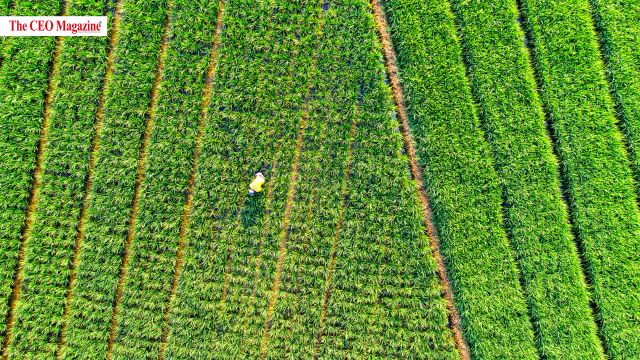
Just as technology revolutionizes various industries, smart mechanisation is transforming agriculture, enhancing efficiency and productivity in your farming practices. By leveraging advanced tools and data-driven approaches, you can adapt your business model to meet the demands of modern markets, reduce labor costs, and increase yields. This blog explores the impact of smart mechanisation on agriculture in India and globally, highlighting innovations that can help you thrive in an evolving landscape.
Key Takeaways:
- Adoption of smart mechanisation enhances efficiency, productivity, and sustainability in agricultural practices.
- Data-driven technologies enable farmers to make informed decisions, improving yield quality and reducing waste.
- New business models, including sharing economies and service-based approaches, are emerging as farmer collaboration increases.
The Rise of Smart Mechanisation
Definition and Overview
Smart mechanisation refers to the integration of advanced technologies in agricultural practices, enhancing productivity and efficiency. You’ll find this encompasses the use of robotics, artificial intelligence, and precision farming techniques, all aimed at optimizing resources while minimizing waste. As farming demands grow, adopting smart mechanisation becomes crucial for sustainable development in agriculture.
Key Technologies Driving Change
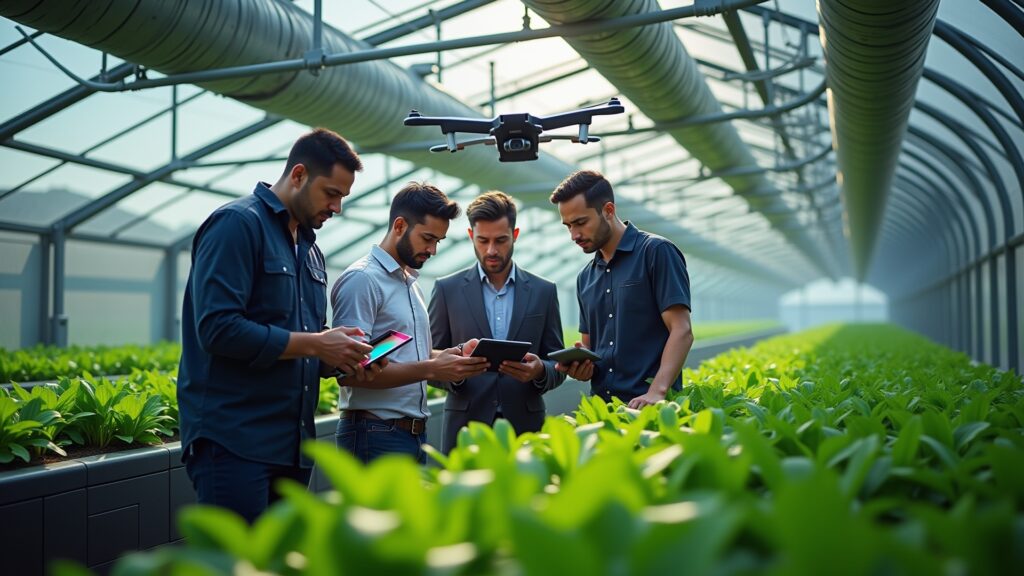
The shift towards smart mechanisation is powered by technologies such as IoT sensors, drones, and automated machinery. You can leverage these innovations to monitor crop health, manage irrigation systems, and execute precision planting and harvesting. This creates a new landscape where traditional practices and modern efficiencies coalesce to enhance yield and reduce labor costs.
IoT sensors enable real-time monitoring of soil moisture levels, providing the data needed for precision irrigation. Drones deliver aerial views of your fields, identifying pest issues and nutrient deficiencies much sooner than ground inspections could. Automated machinery, like driverless tractors, can operate around the clock, dramatically increasing productivity. For instance, companies like Mahindra & Mahindra are already deploying these technologies, showing increased yields by up to 20% through more efficient resource utilization. As these technologies evolve, they will reshape your agricultural experience by making farming smarter and more flexible.
Impact on Agricultural Productivity
Smart mechanisation significantly boosts agricultural productivity, allowing you to maximize output efficiency. With precision farming tools and data analytics, you can tailor your practices to specific crop needs, leading to optimized resource use. Farms leveraging smart technology report yield increases of up to 30%, transforming labor-intensive methods into streamlined operations that elevate overall productivity levels.
Efficiency and Yield Improvements
Implementing smart mechanisms enhances your farming efficiency by automating routine tasks, which subsequently leads to higher crop yields. With drones overseeing crop health and automated irrigation systems responding to moisture levels, you obtain more reliable and timely interventions, reducing waste and enhancing the final output. This shift not only improves productivity but also supports sustainable agricultural practices.
Reducing Labor Dependence
As you adopt smart mechanisation, your reliance on manual labor diminishes significantly. Automated machinery handles tasks from planting to harvesting, allowing you to operate with fewer hands while maintaining or increasing productivity levels. This transition is especially beneficial in an era of rising labor costs and declining rural workforce availability.
With advancements like robotic harvesters and AI-driven tractors, you can streamline operations that traditionally required large labor forces. For instance, studies show that farms using autonomous machines can reduce labor needs by up to 50%, while analyzing productivity data allows you to focus your human resources on more strategic tasks. This not only minimizes costs but also enables you to navigate the challenges associated with labor shortages more adeptly. Transitioning to smart mechanisation may seem daunting, but the long-term benefits in labor efficiency and operational sustainability are undeniably impactful.
Business Model Innovations
Innovative business models are transforming agricultural practices, allowing you to capitalize on technology integrations and enhance operational efficiency. From subscription-based services for vital supplies to digital marketplaces connecting you directly with consumers, these innovations are tailored to meet evolving market demands. Embracing these models not only optimizes resource allocation but also aligns production with consumer trends, ensuring profitability.
New Revenue Streams for Farmers
By leveraging technology, you can explore new revenue streams that were previously inaccessible. Options such as agritourism, organic produce subscriptions, and value-added products can significantly increase your income. Beyond traditional crops, diversifying into niche products tailored to local tastes helps you capture a wider market and stabilize your earnings throughout the year.
Collaborations with Tech Companies
Forming partnerships with tech companies offers you access to innovative solutions that enhance your agricultural practices. By collaborating, you can integrate advanced data analytics, IoT devices, and precision farming tools that maximize yields while reducing costs. Such alliances provide you with not just the technology but also ongoing support and resources tailored to your specific needs.
This collaboration can manifest through various programs where tech firms provide platforms for farm management, predictive analytics for yield optimization, or software for financial tracking and benchmarking. For instance, platforms like AgriTech enable real-time data collection on soil health and weather patterns, which helps you make informed decisions. Whether utilizing drones for monitoring crop conditions or AI for predicting market trends, these technological partnerships can streamline your operations, increase productivity, and ultimately enhance your profitability, redefining the traditional agricultural landscape.
Challenges and Barriers to Adoption
Despite the advantages of smart mechanisation, several challenges hinder its widespread adoption. Farmers often grapple with high initial costs, lack of access to reliable technology, and insufficient infrastructure. Additionally, understanding the nuances of these advanced systems remains a significant barrier, particularly in rural areas where resources are limited.
Cost and Access to Technology
The financial burden associated with obtaining and maintaining smart mechanisation technology can be daunting for many farmers. Initial investments often exceed their budgets, leading to disparities in access. For instance, high-quality drones or precision farming equipment may be out of reach, especially for smallholders who might benefit the most from such innovations.
Training and Education Needs
Another significant hurdle is the gap in training and education regarding smart mechanisation. Many farmers lack the necessary skills to operate advanced machinery effectively, which can lead to underutilization or misuse of technology. This knowledge gap not only stifles productivity but also limits the potential economic benefits of modern agricultural practices.
Addressing the training and education needs is vital for the successful implementation of smart mechanisation. Programs that provide hands-on training and workshops can empower farmers to effectively use new technologies. For example, initiatives like the Digital Green project in India help impart digital literacy and farming skills, enabling farmers to adopt smart practices confidently. By investing in human capital, you can bridge the knowledge gap and foster a more competitive agricultural sector that fully harnesses the potential of mechanisation.
Case Studies: Successful Implementations
These case studies highlight impactful transformations in agriculture through smart mechanisation. They illustrate how integrating modern technologies fosters efficiency and boosts productivity, setting benchmarks for the industry.
- Automation in Punjab: Use of robotic harvesters increased wheat production efficiency by 30%, reducing labour costs by 20%.
- Drip irrigation in Maharashtra: Implementation resulted in a 40% increase in crop yield, with water usage reduced by 50%.
- AI-driven pest management in Karnataka: Farmers reported a 25% reduction in pesticide use, leading to cost savings of 15%.
- Precision farming in Gujarat: Adoption of GPS-enabled tractors improved land usage efficiency by 35%.
- Supply chain innovations in Tamil Nadu: Blockchain technology in logistics decreased waste by 40% and enhanced traceability.
Indian Success Stories
Your insight into India’s agricultural scene reveals inspiring success stories, such as a Pune-based startup that developed a drone seed-planting service, enhancing sowing capacity by 50%. With over 1 million acres serviced, this innovation drastically reduces operational costs for farmers.
Global Perspectives
Internationally, countries are adapting similar smart mechanisation strategies. In the Netherlands, automated greenhouses have boosted crop yields by 80% while minimizing resource usage. Meanwhile, smart tractors in the United States have allowed farmers to achieve fuel savings of up to 15%.
Globally, the adoption of technology in agriculture reflects a growing trend towards sustainability and efficiency. For instance, in Australia, precision agriculture has led to a 25% cut in fertiliser use, exemplifying how smart solutions can enhance productivity while concurrently addressing environmental concerns. Countries such as Brazil are exploring these advancements, investing in precision farming technologies to tackle challenges posed by climate change, demonstrating a cooperative global shift towards innovative agricultural practices.
The Future of Agriculture in a Mechanised World
As farming practices continue to evolve, the integration of smart mechanisation is set to redefine the landscape of agriculture globally. You can expect to see a significant shift towards autonomous farming equipment and data-driven decision-making, enhancing operational efficiency. From precision agriculture to predictive analytics, these technologies will enable farmers to optimize resource use, improve yields, and increase profitability. The coming years will likely usher in an era of hyper-connected farms, where data-driven insights drive every planting, nurturing, and harvesting decision.
Trends to Watch
Several emerging trends are shaping the mechanised future of agriculture. You should keep an eye on the increased adoption of drones for crop monitoring and automated machinery that reduces labor dependency. Meanwhile, advancements in artificial intelligence and machine learning will provide deeper insights into soil health and crop performance. Additionally, vertical farming and hydroponics are gaining traction, particularly in urban areas, as they offer space-efficient solutions and sustainable practices.
Sustainability and Environmental Considerations
As mechanisation advances, you need to consider sustainability and environmental impact. There’s growing emphasis on technologies that promote resource efficiency, such as smart irrigation systems and eco-friendly machinery. These innovations not only enhance productivity but also minimize waste and lower carbon footprints, which are crucial for long-term agricultural viability.
Investing in sustainable practices through mechanisation can lead to notable reductions in resource consumption. For instance, agriculture accounts for approximately 70% of global freshwater usage; adopting precision irrigation can decrease water consumption by up to 50%. Furthermore, using electric or biofuel-powered machinery lessens greenhouse gas emissions. As regulatory pressures mount and consumer preferences shift towards eco-friendly products, your commitment to sustainability can also enhance market competitiveness and foster customer loyalty in an increasingly conscious marketplace.
Conclusion
Presently, you can see how smart mechanisation is fundamentally altering agriculture business models in India and beyond. By leveraging advanced technologies such as precision farming, automation, and data analytics, you are empowered to enhance productivity and sustainability. This transformation not only optimises resource use but also opens new avenues for profitability. Embracing these innovations positions you to remain competitive in a rapidly evolving agricultural landscape, ultimately leading to more resilient farming practices and improved livelihoods.
FAQ
Q: How is smart mechanisation enhancing productivity in Indian agriculture?
A: Smart mechanisation introduces advanced technology like precision farming tools, automated tractors, and drones that optimize field operations. These innovations lead to improved crop yield, efficient resource use, and reduced labor costs. Farmers can make data-driven decisions, which significantly enhance overall productivity.
Q: What role does smart mechanisation play in sustainability within agriculture?
A: Smart mechanisation contributes to sustainability by minimizing resource wastage and lowering carbon footprints. Technologies such as IoT sensors help in precise water management and fertilizer application, supporting eco-friendly practices. This shift towards sustainable methods ensures long-term viability of agricultural lands.
Q: How does smart mechanisation impact the economic landscape of farming businesses in India?
A: The adoption of smart mechanisation leads to the transformation of traditional farming into more profitable agribusiness models. Enhanced efficiency and productivity reduce operational costs, while better quality yields increase market competitiveness. Consequently, farmers are likely to experience improved income levels and better financial stability.