













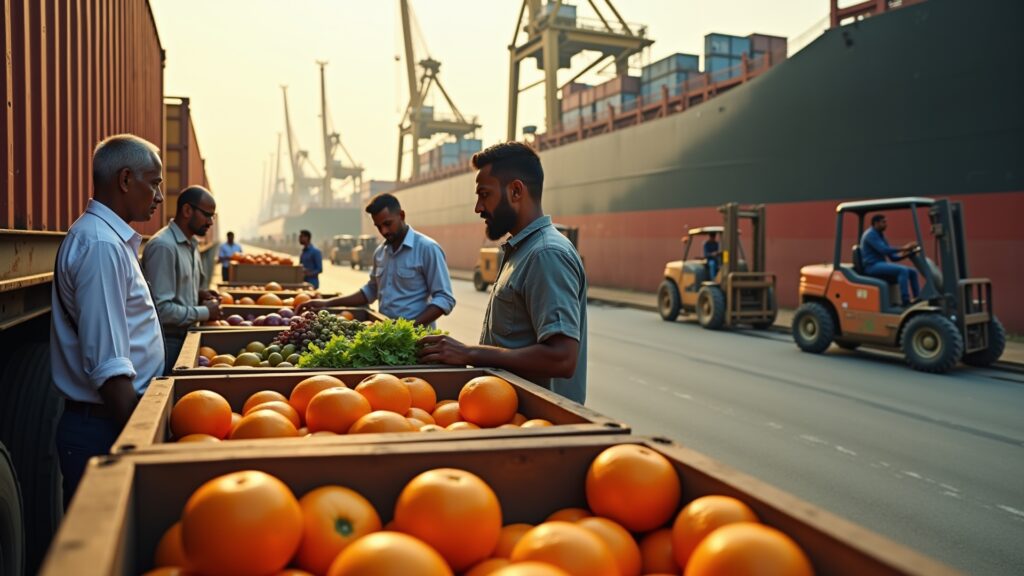
The recent announcement of the US-India trade deal presents a strategic inflection point for your agribusiness. This agreement is not merely a headline — it is a gateway to expanding your footprint in global agricultural markets by leveraging India’s competitive advantages. For you, as a business leader or investor engaged in agribusiness, understanding the nuances of this deal is essential to harnessing its full potential and positioning your operations for scalable, sustainable growth.
Why This Matters to You
If you are managing or investing in Indian agribusiness, the US-India trade deal directly impacts your export strategies and supply chain dynamics. It provides an unprecedented opportunity to capitalize on areas where India excels — from spices and pulses to marine products and processed food commodities. This deal could amplify your market access, reduce trade barriers, and enhance profitability. In essence, it is a call to rethink how you approach both your production and export frameworks in an increasingly interconnected global landscape.
What Is Happening in the US-India Trade Agreement for Agriculture?
The trade deal focuses on reducing tariffs and regulatory hurdles that have historically constrained the export of Indian agricultural products to the US market. It aligns with India’s strengths in cultivating commodity crops, specialty products, and processed goods. These policy calibrations intend to boost bilateral trade volumes, optimize supply chains, and incentivize higher-quality production standards. This deal is set to elevate India’s export profile — making it a more competitive and reliable supplier in the international agricultural value chain.
Key Business and Market Impacts
- Expanded Market Access: The reduction in tariffs opens lucrative US markets for Indian agribusinesses, enhancing export volumes and revenue streams.
- Supply Chain Optimization: Streamlined trade protocols create smoother logistics and inventory management, which lowers costs and improves margins.
- Rural Economic Boost: Increased demand for export-oriented crops can elevate rural incomes and stimulate local economies dependent on agriculture.
- Investment Flows: Greater market certainty attracts both domestic and foreign investment focused on modernizing agritech, processing, and storage infrastructure.
Strategic Insights for Agribusiness Leaders
Understanding that trade policy shifts create windows of competitive advantage is critical. You must optimize your export portfolio by identifying which crops and products yield the highest value on US soil under the new tariff structures. Consider innovations in precision agriculture and quality control to meet heightened international standards. Navigating regulatory compliance and fostering partnerships across the value chain can further position your business to outpace competitors who delay strategic adaptation.
“In agriculture, timing is rarely just operational — it is strategic.” Leveraging this deal’s momentum swiftly can differentiate your business in crowded export markets.
Practical Takeaways for Your Agribusiness
- Analyze your current export portfolio to identify commodities aligned with India’s areas of strength favored by the US market.
- Invest in quality certification and traceability technologies to meet stringent US import standards.
- Engage in supply chain collaboration to reduce costs and improve delivery timelines for export contracts.
- Monitor policy implementation closely to anticipate adjustments and new opportunities under the agreement.
- Explore funding options that target agritech upgrades and infrastructure to handle increased export volumes.
Expert Perspective
“The real opportunity is not in reacting late, but in understanding where the market is moving next.”
“When policy, technology, and farm economics align, growth becomes more scalable.”
Risks and Challenges to Consider
No trade deal operates in a vacuum. You must remain vigilant to risks such as fluctuating commodity prices, logistical bottlenecks, and evolving global trade policies. Compliance with the US’s stringent phytosanitary and quality standards requires continuous investment and oversight. Moreover, geopolitical tensions or changes in domestic policies could alter trade dynamics unexpectedly. Risk mitigation strategies and agile supply chain management will be key pillars of sustainable success.
What You Should Watch Next
Stay attuned to government notifications on tariff schedules, certification protocols, and bilateral trade facilitation mechanisms. Track investments in agritech innovation and infrastructure upgrades that can support export growth. Observe shifts in US import demand patterns to realign your product focus accordingly. Engaging with industry associations and trade bodies can provide valuable intelligence and advocacy channels to amplify your export potential.
Conclusion: Seizing the Moment in Agricultural Exports
The US-India trade deal is a transformative opportunity for your agribusiness to unlock export growth in India’s areas of agricultural strength. By understanding the policy landscape, optimizing supply chains, and investing strategically in quality and technology, you can elevate your business’s global competitiveness. This deal is not just about access; it is about reshaping your strategic approach to agribusiness growth and sustainability in a globalized economy.
“When policy, technology, and farm economics align, growth becomes more scalable.” Seize this momentum to future-proof your agricultural exports and drive the rural economy forward.