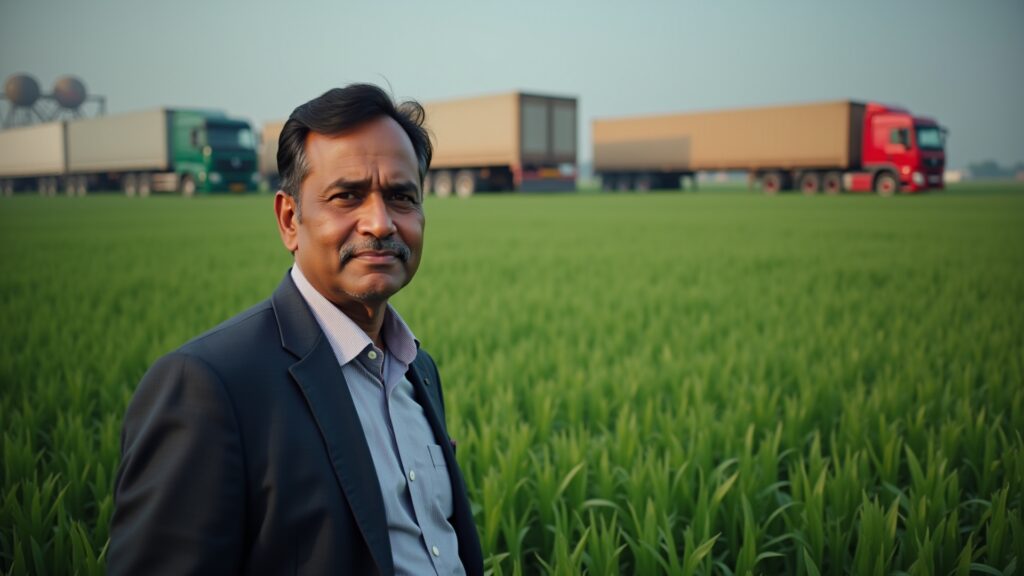














As an agribusiness leader or investor deeply vested in the Indian agriculture landscape, you cannot overlook the emerging risks presented by the ongoing conflict in West Asia. This geopolitical tension is not merely a distant political crisis—it directly threatens the pesticide supply chains that underpin crop protection and productivity across Indian farms. Disruptions to these supply lines can ripple through your operations, affecting input costs, crop yields, and ultimately, profitability and sustainability.
Why This Matters to You
Your decisions in managing supply risks and ensuring sustainable farm input availability are now under pressure from factors beyond conventional agricultural challenges. Pesticides are a cornerstone of effective crop protection strategies, and with India heavily reliant on raw materials and formulations linked to West Asia, any disruption could increase costs, cause shortages, and reduce efficacy in managing pests. This is not just an operational issue — it touches your strategic risk management, market positioning, and long-term business resilience.
The Dynamics at Play: What Is Happening in West Asia?
The conflict in West Asia is escalating tensions that affect international trade routes and raw material flows critical for the pesticide industry. CropLife India, a representative body of pesticide manufacturers and stakeholders, has publicly raised alarms about the potential industry-wide risks. The region’s instability risks delayed imports, price volatility, and an unpredictable supply of essential active ingredients and chemicals sourced globally through West Asian hubs.
Business, Market, and Policy Implications
For you, understanding this is key to navigating the challenges:
- Supply Chain Vulnerability: The agribusiness supply chain for pesticides is delicate and just-in-time by nature. Interruptions can cascade down to farmers facing reduced access to vital crop protection inputs during critical planting windows.
- Cost Inflation and Margin Pressure: Raw material scarcity and increased transport risks can drive up price points, squeezing margins for manufacturers, distributors, and farm enterprises alike.
- Policy Uncertainty and Response: Policymakers may enact emergency trade regulations or incentives to stabilize supply but could also impose export restrictions or tariffs that complicate global procurement strategies.
- Market Opportunity for Innovation: The strain may catalyze investment and adoption of more localized production, alternative crop protection solutions, or agritech-driven precision applications that optimize pesticide use.
Deeper Insight: Strategic Analysis for Agribusiness Leaders
Facing this geopolitical disruption, your strategic foresight must evolve. One critical aspect is enhancing supply chain resilience through diversification of suppliers and raw material sources. Relying heavily on a single region—even one as strategically positioned as West Asia—heightens your exposure to shocks that could jeopardize entire crop cycles.
In parallel, integrating data-driven agritech tools can help optimize pesticide application and reduce dependence on volume-based input models. This not only limits risk in supply volatility but also enhances environmental sustainability—an area increasingly critical with global regulatory scrutiny and consumer demand shifting towards sustainable farming practices.
Moreover, fostering closer collaboration with policymakers and industry bodies like CropLife India can provide you with early warning insights and potential policy advocacy opportunities to safeguard your supply chain interests.
Practical Takeaways: What You Should Do Next
- Understand Your Supply Chain Exposure: Conduct thorough audits of your pesticide input sources and identify any concentration risks tied to West Asia.
- Explore Alternative Supply Routes: Engage with suppliers from diversified geographies and assess the feasibility of sourcing raw materials domestically or from more stable regions.
- Invest in Agritech Innovation: Leverage precision agriculture and digital tools to minimize pesticide usage without compromising crop health.
- Engage with Industry Associations: Stay connected with bodies such as CropLife India for market updates and policy developments impacting pesticide supply chains.
- Prepare Contingency Plans: Develop crisis response strategies including buffer stocks or contractual clauses to mitigate supply interruptions.
“In agriculture, timing is rarely just operational — it is strategic.”
“The real opportunity is not in reacting late, but in understanding where the market is moving next.”
“When policy, technology, and farm economics align, growth becomes more scalable.”
Risks and Challenges Ahead
The path forward is not without risks. Geopolitical conflicts have a high degree of unpredictability and can trigger rapid changes in trade policies or market sentiment. Overreliance on certain supplier geographies can leave you vulnerable to sudden escalations. Additionally, cost pressures may tempt compromises in product quality or sustainability standards that could backfire in the medium to long term.
Therefore, ongoing vigilance and adaptability will be crucial. Anticipate challenges, but also proactively seek to convert these risks into strategic advantages through innovation and robust stakeholder engagement.
What You Should Watch Next
- Developments in West Asia’s geopolitical landscape and their impact on shipping routes and trade regulations.
- Policy updates from Indian and international trade authorities concerning pesticide import and export controls.
- Innovations in agritech and crop protection alternatives advancing supply chain resilience.
- Market shifts in raw material prices signaling supply shortages or recoveries.
Conclusion: Navigating Uncertainty with Strategic Agility
The West Asia conflict’s emerging threat to the pesticide industry supply chain demands your focused attention and decisive action. By understanding the complexity of these geopolitical impacts and embedding resilience in your supply chain, innovation in crop protection, and engagement with policy frameworks, you can shield your agribusiness from disruptions. This is a defining moment to turn risk into opportunity, safeguarding farm input availability and sustaining profitability in Indian agriculture’s evolving landscape.