

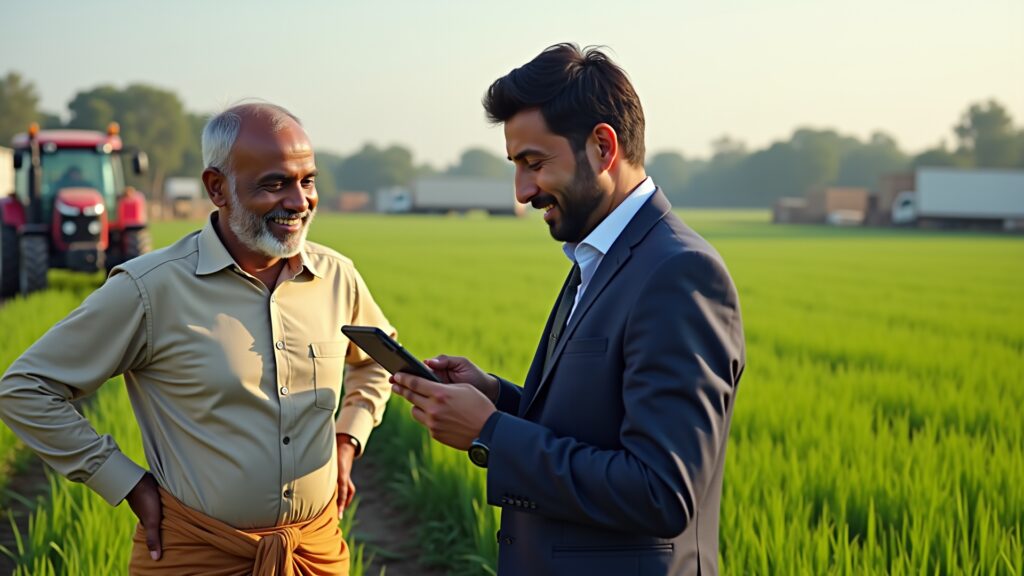












You need to grasp the significance of rural trust in shaping your business strategies and relationships. Understanding the values, aspirations, and concerns of rural communities can directly influence your brand’s reputation and customer loyalty. By prioritizing transparency, community engagement, and sustainable practices, you can foster deeper connections with your customers, ultimately driving sales and brand advocacy. This post will explore key aspects of rural trust that are vital for your success in the agriculture equipment sector.
Key Takeaways:
- Building genuine relationships with rural communities fosters loyalty and brand trust.
- Understanding local agricultural needs enhances product relevance and customer satisfaction.
- Transparent communication and support during crises strengthen community ties and reputation.
The Importance of Rural Trust in Agriculture
Understanding rural trust is fundamental for CEOs in the agricultural sector. It influences purchasing decisions and fosters loyalty between customers and brands. Building strong relationships based on trust can lead to long-term business success, as farmers rely not only on equipment but also on the integrity of the companies behind them. As competition increases, establishing trust becomes a strategic differentiator in enhancing brand reputation and customer retention.
Defining Rural Trust
Rural trust refers to the confidence and reliance that individuals in rural communities place on local businesses and leaders. This trust is built through consistent actions, transparency, reliability, and a long-standing commitment to the community’s welfare. You must recognize that farmers often support brands that share their values and contribute positively to their livelihoods.
Factors Influencing Trust in Rural Communities
Several factors influence trust within rural communities that you need to consider. Key elements include your company’s reputation, community involvement, and the quality of interactions with local customers. A genuine commitment to addressing the unique challenges of rural life can significantly enhance your brand’s credibility and build stronger relationships.
- Consistency in product quality and service
- Active community engagement and involvement
- Transparency in business practices
- Understanding and addressing local needs
- Sharing success stories and testimonials from local customers
Trust is often intertwined with how well you understand and support the agricultural community. Factors such as historical relationships, local endorsements, and shared values can make a significant difference. You should prioritize building a community-centric image by providing targeted support and actively listening to feedback from farmers and rural stakeholders.
- Long-standing presence in the rural market
- Partnerships with local organizations
- Effective communication and responsiveness
- Resilience during economic downturns and challenges
- Assume that knowledge of these factors can guide your strategic initiatives.
Building Relationships with Rural Stakeholders
Establishing trust with rural stakeholders requires genuine relationship-building that goes beyond transactional interactions. You need to cultivate a presence in the community, demonstrating your commitment to their needs and challenges. Regular interaction with local farmers and agricultural organizations not only conveys your dedication but also helps you gain valuable insights into the unique dynamics of the rural market, paving the way for sustainable partnerships.
Engaging with Local Farmers
Direct engagement with local farmers is crucial for understanding their specific requirements and concerns. You should prioritize on-the-ground initiatives, such as farm visits or participation in local events, which allow you to gather feedback and foster loyalty. Being visible and approachable enables you to create authentic connections that prove beneficial for both your brand and the agricultural community.
Collaborating with Agricultural Organizations
Partnering with agricultural organizations can elevate your credibility among rural stakeholders. By aligning with respected entities, you tap into established networks that enhance your visibility and enhance collaboration opportunities. These organizations often have extensive knowledge of local issues, which can guide you in tailoring your products and services more effectively.
Collaboration with agricultural organizations offers numerous advantages, including access to research, data, and advocacy on policy matters that affect local farming. For instance, engaging with the American Farm Bureau Federation could allow you to influence agricultural policies while simultaneously gaining insights into farmer concerns. This strategic partnership can help you stay ahead of trends, ensuring that your products remain relevant and responsive to the evolving needs of the farming community. Participation in joint initiatives also signals your commitment to the agricultural landscape, further solidifying trust and rapport with rural stakeholders.
The Role of Transparency in Leadership
In today’s marketplace, transparency is not just a trend; it’s a necessary component of effective leadership. You need to ensure that your decisions, strategies, and operational practices are clear and accessible to both your employees and the communities you serve. Being open about challenges and successes fosters trust, encouraging a collaborative atmosphere where stakeholders feel valued and informed.
Communicating Company Values
Articulating your company’s values with clarity helps reinforce your commitment to ethical practices and community engagement. Clearly defined values enable you to align your organization’s actions with community expectations, allowing farmers and rural populations to see that you prioritize their interests and concerns in all your operations.
Addressing Community Concerns
Engaging with community concerns should be a proactive part of your strategy. Being transparent about your operations and actively listening to feedback demonstrates respect for the community. This approach allows you to identify and mitigate potential issues before they escalate, solidifying your standing as a responsible leader in the agriculture sector.
For instance, hosting regular town hall meetings or open forums can provide platforms for dialogue, where community members voice their concerns and suggestions directly. You could also consider creating a dedicated online portal for feedback, combining traditional communication methods with digital engagement. Actions like these not only speak volumes about your commitment to transparency but also can lead to immediate improvements that benefit both your company and the rural communities you serve.
The Impact of Rural Trust on Business Success
Rural trust significantly influences your business’s bottom line. When farmers and rural customers trust your brand, they are more likely to choose your equipment over competitors. According to research, companies with higher trust ratings can see customer acquisition costs drop by up to 30%, as loyal customers advocate for your brand, reducing the need for aggressive marketing strategies. Cultivating this trust can lead to a smoother sales process, greater customer satisfaction, and ultimately, an improved market position.
Trust as a Driver for Customer Loyalty
Building trust fosters customer loyalty, which is invaluable in the tractor and agriculture equipment industry. When customers believe your brand aligns with their values and needs, they are less likely to switch to competitors, often returning for repeat purchases. Recent studies reveal that 85% of consumers who trust a brand are more likely to recommend it to others, multiplying your customer base through word-of-mouth.
Long-Term Relationship Benefits
Establishing long-term relationships through trust can provide significant advantages for your company. When clients feel secure in your service and product quality, they often invest in higher-end machinery and maintenance services, leading to increased revenue streams. By prioritizing trust-building initiatives, you can enhance customer retention, reduce churn, and even stabilize your revenue against market fluctuations.
Your commitment to transparency, timely communication, and unparalleled support in after-sales interactions will reinforce these relationships. For instance, offering personalized follow-ups for maintenance or providing tailored solutions based on individual customer feedback not only strengthens trust but encourages clients to choose your brand for future purchases. Furthermore, showcasing testimonials from satisfied customers can influence potential buyers, creating a cycle of loyalty that contributes to sustained business success. Prioritizing long-term trust and relationship building can lead to a more robust, trustworthy brand that stands out in a competitive market.
Strategies for Enhancing Rural Trust
Building and maintaining trust in rural communities requires intentional strategies that connect your brand to the values and needs of the local populace. Implementing comprehensive community engagement initiatives and demonstrating a long-term commitment to sustainability can significantly enhance your company’s reputation and strengthen relationships.
Community Involvement and Support
Your presence in rural areas should extend beyond business transactions. Actively participating in local events, sponsoring initiatives, and supporting local causes helps you build a rapport with community members. This direct involvement shows that you value the people behind the land, fostering loyalty and trust.
Investment in Sustainable Practices
Investing in sustainable practices demonstrates your commitment to the environment and the future of agriculture. Implementing eco-friendly technologies and processes not only conserves resources but also resonates with consumers who prioritize sustainability. For instance, adopting precision farming techniques can reduce waste and improve crop yields, while also appealing to environmentally conscious farmers.
Consider the impact of transitioning towards renewable energy sources in your operations. Companies that integrate solar or wind energy can significantly cut their carbon footprint, and this commitment can be highlighted in your marketing efforts. Collaborating with research institutions to develop sustainable farming tools and practices not only positions you as an innovative leader but also helps the community by providing advanced solutions that enhance productive land use. By showcasing these efforts through case studies or community presentations, you further solidify trust and position your brand as a vital partner in sustainable agriculture.
Challenges to Building Trust in Rural Areas
Establishing trust in rural communities can be fraught with challenges due to a history of neglect or negative experiences with corporations. Many rural residents have encountered disingenuous practices or empty promises from companies, leading to a pervasive skepticism about corporate intentions. Understanding these unique dynamics is vital to your approach, as trusting relationships often require sustained effort and genuine engagement to overcome suspicion.
Overcoming Skepticism
To effectively tackle skepticism, transparency is key. Share your decision-making processes and articulate how your products genuinely benefit local farmers. Regularly engage with community leaders and stakeholders to build personal connections, demonstrating that you’re not just another faceless corporation, but an invested partner in the region’s agricultural landscape.
Addressing Historical Grievances
Historical grievances in rural areas often stem from past exploitation or broken promises, fueling distrust toward new initiatives. Acknowledging these past issues and actively working to amend them are necessary steps. Consider implementing community programs that provide tangible benefits, which can showcase your commitment to long-term relationships.
Addressing historical grievances requires a deep understanding of local history and culture. For instance, if previous agricultural advancements resulted in environmental degradation or socioeconomic disparities, it’s important to acknowledge these impacts while developing new initiatives. Host community forums to allow residents to voice their concerns and share their experiences, demonstrating that you value their input. By collaborating with local organizations to create solutions that rectify past mistakes, you can gradually rebuild trust and become a trusted member of the community, rather than an outsider.
Final Words
With this in mind, you must recognize that understanding rural trust is necessary for your success in the tractor and agriculture equipment industry. By prioritizing genuine relationships, acknowledging local values, and demonstrating long-term commitment to rural communities, you can foster deep loyalty and enhance your brand reputation. Your ability to align your business practices with the needs and aspirations of rural stakeholders will not only drive sales but also contribute to sustainable growth and community well-being. Ultimately, nurturing this trust will position you as a leader in the agricultural sector.
FAQ
Q: Why is understanding rural trust important for CEOs in the tractor and agriculture equipment industry?
A: Understanding rural trust helps CEOs connect with their customers on a deeper level, ensuring they build products and services that resonate with the agricultural community. Trust influences purchasing decisions, brand loyalty, and long-term relationships with farmers, which are vital for sustained success in this competitive market.
Q: What factors contribute to rural trust in agriculture-related businesses?
A: Factors that contribute to rural trust include transparency in business practices, reliability of products, consistent customer support, and a genuine commitment to the agricultural community. Establishing local partnerships and actively engaging in rural development initiatives also enhances trustworthiness among customers.
Q: How can CEOs foster rural trust within their organizations?
A: CEOs can foster rural trust by prioritizing open communication, investing in quality assurance, and actively seeking feedback from rural customers. Promoting employee training that emphasizes customer service, agricultural knowledge, and community involvement will further strengthen the organization’s reputation and trust among farmers.