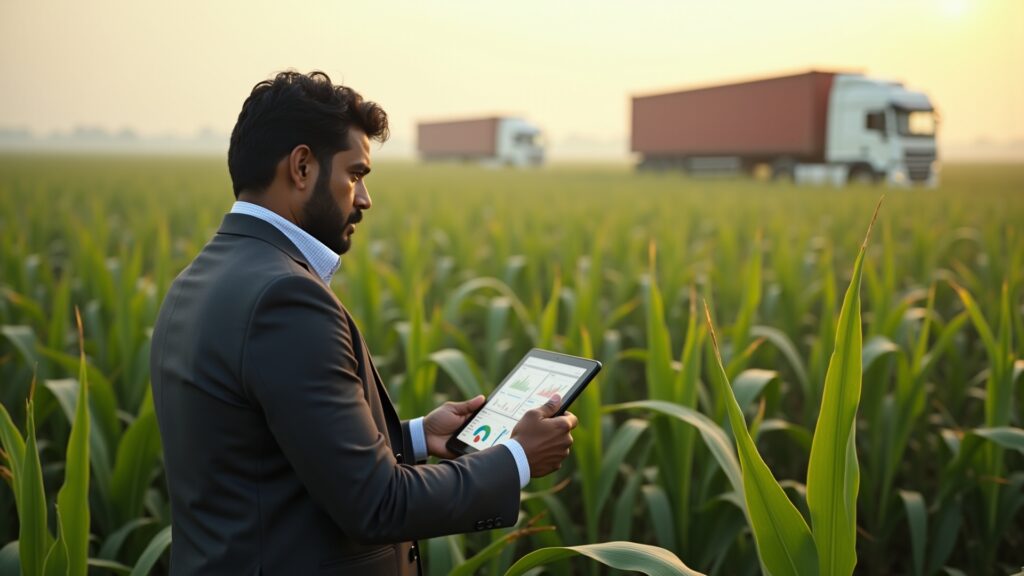













You may have observed that many agriculture technologies fall short of their promises when implemented on farms. Various factors, including lack of proper training, insufficient integration with existing practices, and poor user engagement, contribute to this trend. By understanding these challenges, you can leverage smart farming solutions more effectively and ensure that technology enhances productivity and sustainability in your operations. This blog will explore the reasons for these failures and provide actionable insights for improving technology adoption in agriculture.
Key Takeaways:
- Real-world application often lags due to a lack of understanding between technology providers and end-users, necessitating better communication and collaboration.
- Integration of technology with existing practices is crucial; solutions should complement traditional methods rather than replace them entirely.
- Training and support are vital for successful implementation, ensuring users are equipped to maximize the benefits of smart farming technologies.
The Current State of Agriculture Technology
Today’s agriculture technology landscape is a mix of innovation and challenges. Precision farming, IoT applications, and automated machinery have transformed operations, allowing for better yield predictions and resource management. Yet, despite advances, many farmers still hesitate to fully integrate these technologies into their practices, often relying on traditional methods that limit their potential for efficiency and sustainability.
Key Innovations in AgriTech
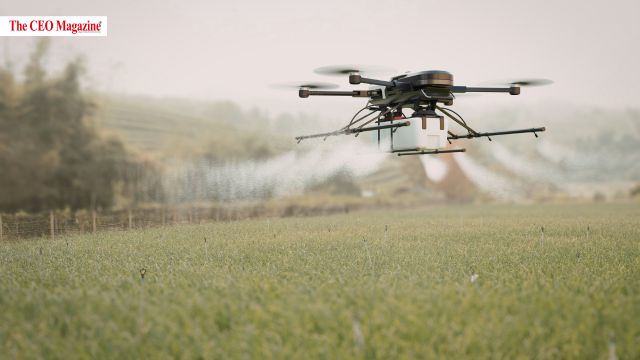
Innovations such as drone technology for crop monitoring, predictive analytics for weather patterns, and advanced soil sensors are reshaping agricultural practices. These tools enable real-time data collection and analysis, helping you make informed decisions that can significantly enhance productivity while minimizing environmental impact.
Barriers to Adoption
Adopting new technologies in agriculture faces several hurdles, including high initial costs, lack of technical know-how, and resistance to change among traditional farmers. Many in the farming community are understandably cautious, as they may not see immediate benefits or feel overwhelmed by the rapid pace of technological advancements.
High initial costs often deter you from investing in AgriTech. For instance, precision farming equipment can require significant capital, which may not be recouped in a single season. Additionally, there’s a knowledge gap; many farmers lack the technical expertise needed to implement and maintain these technologies effectively. This can lead to frustration and ultimately a reluctance to embrace potential game-changing innovations. Lastly, cultural resistance plays a role, as some may prefer sticking to familiar methods handed down through generations, viewing modern tools with skepticism rather than opportunity.
Identifying the Reasons for Failure
Farmers face numerous barriers that hinder the success of agriculture technology. By critically evaluating these reasons, stakeholders can devise strategies to improve adoption and effectiveness, ultimately ensuring that technology works in harmony with farming practices and realities.
Misalignment with Farmer Needs
Your needs as a farmer often dictate the success of any technology. If solutions do not address specific on-the-ground requirements, they become irrelevant, adding complexity rather than enhancing productivity. Technologies should evolve not just based on advancements but on genuine feedback from users like you.
Lack of Infrastructure and Support
Without sufficient infrastructure, even the most advanced technology can falter. Access to reliable internet, adequate storage, and proper maintenance support are imperative for large-scale implementation. In many areas, these vital resources are absent, creating a barrier to effective usage.
In regions lacking basic infrastructure, the impact of agriculture technology is significantly diminished. For instance, farmers in rural areas may struggle with unreliable internet connectivity, preventing them from utilizing cloud-based platforms for data management. A study found that approximately 30% of farmers cite poor infrastructure as a primary reason for technology underutilization. Additionally, without local agricultural extension services to provide training and support, your ability to effectively implement new tools diminishes, leading to frustration and wasted resources. Addressing these infrastructural shortcomings is imperative for technology to make a meaningful impact in your farming operations.
Case Studies of Failed Technologies
Analyzing specific examples reveals the gaps between innovation and practical application. Numerous technologies promising increased yields have fallen short due to various misalignments with farmer needs and environmental conditions.
- A 2016 study found that 40% of farmers using precision agriculture tools reported no increase in productivity.
- The integration of drones for crop monitoring faced a 60% abandonment rate due to regulatory hurdles and high operational costs.
- Soil sensors from a 2018 startup were returned by 70% of users who cited inaccurate data readings.
- An irrigation automation system introduced in 2020 was deemed unmanageable by 50% of its users, leading to widespread dissatisfaction.
Analysis of Specific Examples
Each case underscores a common theme: technology often fails to address real-world complexities in agriculture. For instance, while precision agriculture boasts significant benefits, the reality reflected in the 2016 study shows that not all farmers can leverage these tools effectively, primarily due to a steep learning curve and the necessity for ongoing support.
Lessons Learned from Failures
Key lessons emerge from analyzing these technological failures. Integration of technology must involve understanding the specific needs and environments of farmers. Collaborative development, ongoing support, and user education are necessary to ensure that tools not only exist but also fit seamlessly into existing workflows.
Your takeaway should be that fostering a dialogue with farmers during the development phase significantly increases the likelihood of success. Many technological failures stemmed from a lack of real-world testing and farmer input, emphasizing the importance of iterative design and adaptable solutions. Recognizing these gaps enables you to steer future advancements toward practical efficacy on the ground, ensuring that the innovations genuinely enhance farm operations.
Strategies for Successful Implementation
Effective strategies for implementing agriculture technology require a deep understanding of the field dynamics and farmer needs. Focus on creating user-friendly solutions that can be easily integrated into existing operations. Prioritize comprehensive training programs that equip farmers with the necessary skills to leverage these technologies, enhancing their productivity and sustainability. Regular feedback loops can also help fine-tune applications based on real-world usage, ensuring that innovations remain relevant and practical.
Engaging with Farmers
Active engagement with farmers is key to successful technology adoption. Solicit their input during the development phase to align product features with their daily challenges. Hosting workshops and field demonstrations can foster a two-way dialogue, providing farmers firsthand experience while generating trust in new technologies.
Building Sustainable Partnerships
Establishing sustainable partnerships among agribusinesses, tech providers, and local communities is necessary for driving technology adoption. Collaborative efforts not only distribute resources but also widen the reach of innovative solutions. Joint initiatives such as shared research projects or community training programs can significantly enhance farmer engagement while ensuring that emerging technologies are effectively tailored to their specific contexts.
Strategic partnerships can yield significant benefits, like combining resources to create pilot programs that test new technologies in real-world settings. These collaborations can lead to collective market access, enabling farmers to better understand and embrace new tools. For instance, pilot partnerships with agritech companies and universities can facilitate data sharing and result in well-rounded solutions that meet the nuanced demands of farming communities. Such alliances also empower farmers by integrating their traditional knowledge with modern practices, resulting in a more resilient agricultural ecosystem.
The Role of Smart Farming Leaders
Your role as a smart farming leader is pivotal in bridging the gap between innovative technology and its practical application in agriculture. By actively engaging with both your team and the farming community, you can drive the successful adoption of technologies that enhance productivity and sustainability. Leadership involves not just advocating for advanced solutions but also understanding the unique challenges faced on the ground, ensuring that the technology aligns with real-world farming practices.
Leadership in Technology Adoption
You must champion technology adoption by fostering a culture of experimentation and openness in your organization. Encouraging your team to embrace new tools, while providing the necessary training and resources, can significantly increase their confidence and efficiency. For instance, leading workshops that demonstrate the practical benefits of precision agriculture tools can turn skepticism into enthusiasm.
Changing the Narrative
Transforming the narrative around smart farming technologies is crucial for widespread acceptance. You need to shift the perception that these innovations are complex and inaccessible. By showcasing success stories within your community, you can highlight how technologies have simplified processes and improved yields, making them more relatable and achievable for your peers.
Emphasizing relatable experiences, such as using drones for crop monitoring or implementing data analytics for better irrigation management, can resonate with farmers. By sharing tangible benefits, such as a 20% increase in yield or resource savings of 30%, you help dismantle the myths surrounding technology’s place in agriculture. Engaging local influencers and organizing field demonstrations further solidifies this new narrative, ensuring it reflects a supportive community rather than a daunting challenge.
Future Trends in Agriculture Technology
Emerging advancements in agriculture technology are shaping the landscape for farmers and agribusinesses. You can expect to see innovations focusing on enhancing efficiency, improving yields, and promoting sustainability. As technology evolves, integrating emerging trends such as predictive analytics and sustainable practices will be necessary for future success in the sector.
Predictive Analytics and IoT
By leveraging predictive analytics and the Internet of Things (IoT), you gain the ability to make data-driven decisions that enhance crop management. These technologies enable you to track weather patterns, soil conditions, and pest activity in real-time, allowing for timely interventions and optimized resource allocation. Farmers using IoT sensors report yield increases of up to 20% by precisely targeting interventions.
Sustainable Practices and Innovation
Sustainability is becoming a non-negotiable focus in agriculture technology. You can integrate innovative practices such as regenerative agriculture, which enhances soil health and biodiversity, while also reducing inputs. Technologies like vertical farming and aquaponics illustrate effective resource use, contributing to food security without compromising the environment. The shift towards organic farming methods is also supported through precision technologies, reducing chemical reliance.
Investing in sustainable practices not only meets consumer demand for eco-friendly products but also drives long-term profitability. Techniques like cover cropping and crop rotation are supported by technology, providing you with real-time insights into soil health and nutrient cycles. Companies that prioritize sustainability, like Driscoll’s, have seen significant growth while reducing their environmental impact, illustrating that innovation can coexist with responsible stewardship of resources.
Summing up
Ultimately, understanding the barriers to successful agricultural technology deployment is crucial for you as a smart farming leader. By prioritizing user-centric design, robust training, and adaptable solutions, you can effectively address the gaps that often lead to technology failure on the ground. You have the power to turn challenges into opportunities, ensuring that your tech investments yield tangible results, improve productivity, and drive sustainable practices in your operations.
FAQ
Q: What are common reasons for the failure of agriculture technology implementations?
A: Key reasons include lack of user training, insufficient integration with existing systems, and a mismatch between technology capabilities and local farming practices. Often, farmers may not fully understand how to use the technology, leading to underutilization and ineffective results.
Q: How can farmers ensure successful adoption of agriculture technology?
A: Successful adoption involves thorough training programs, stakeholder engagement, and pilot testing. Engaging farmers early in the development process can provide feedback and foster a sense of ownership, increasing the likelihood of implementation and effective use.
Q: What role do smart farming leaders play in overcoming technology failures?
A: Smart farming leaders can guide technology selection, facilitate knowledge transfer, and promote best practices. They should focus on creating a supportive ecosystem that encourages collaboration among tech developers, researchers, and farmers to address challenges and adapt solutions effectively.