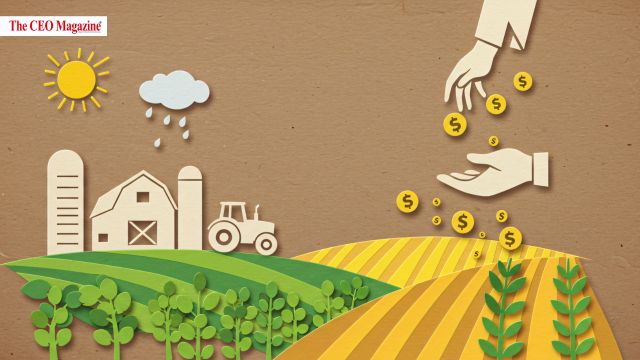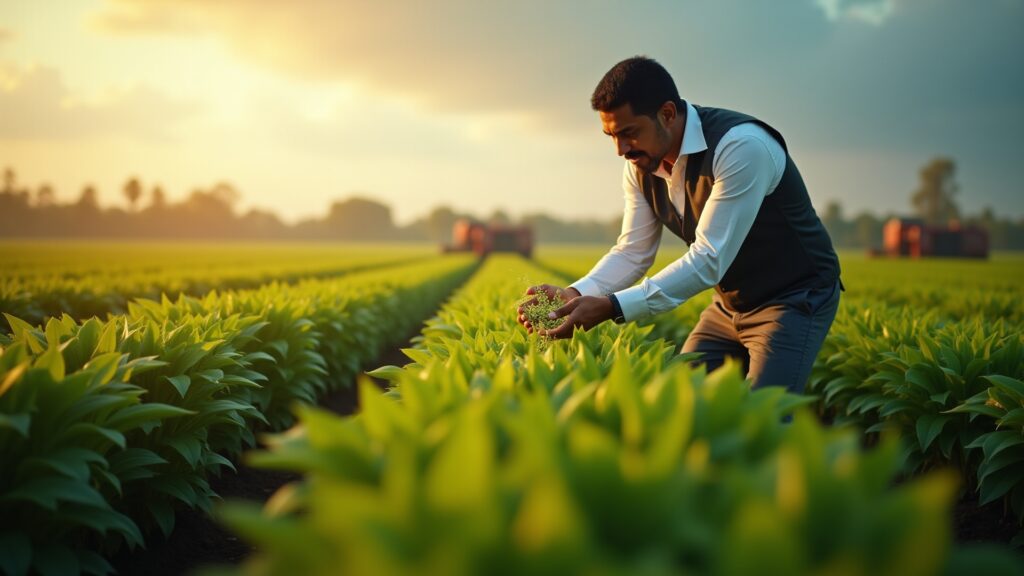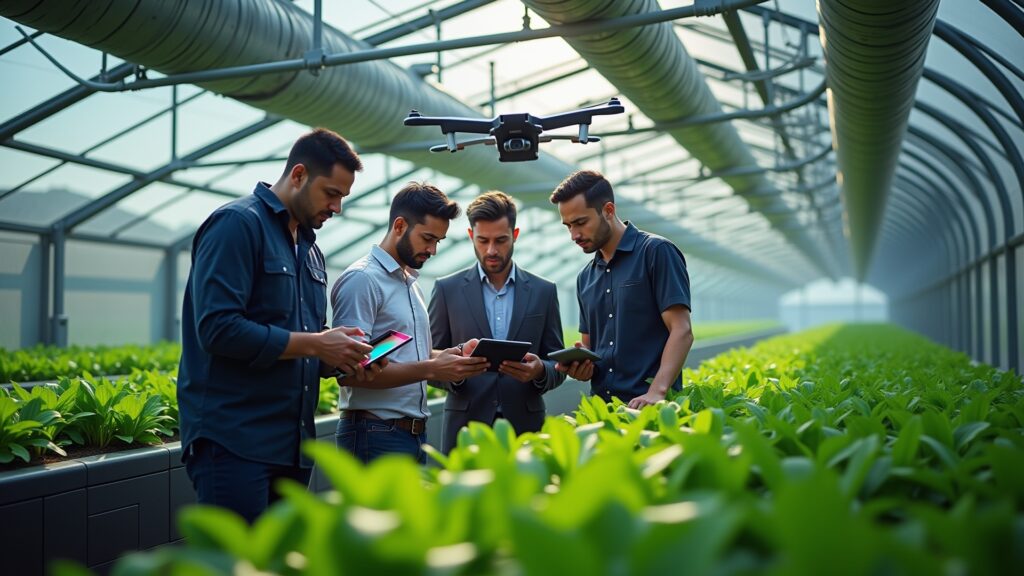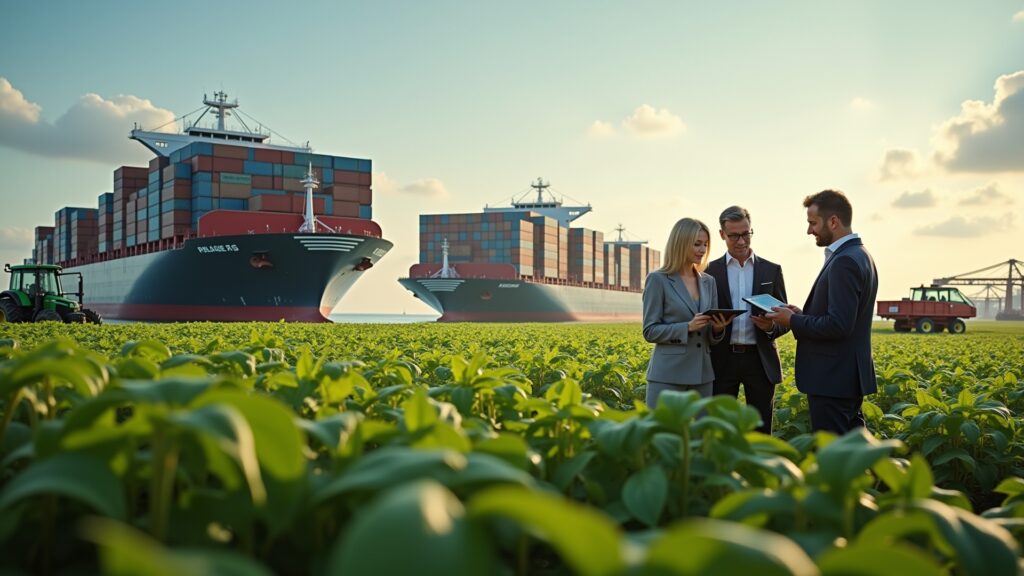

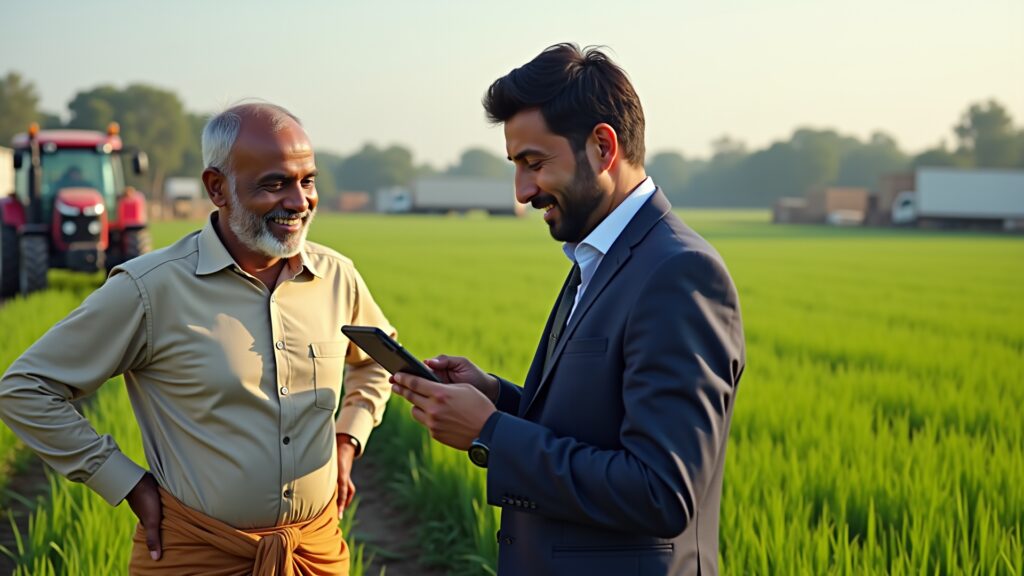









Just by leveraging data effectively, you can significantly enhance your farming practices and boost yields on your Indian farm. This playbook outlines 11 practical strategies that enable you to translate data insights into actionable decisions, optimizing resource use while improving crop performance. As you look into these techniques, you’ll discover how technology and analytics can empower you to make informed choices that lead to greater productivity and sustainability in your agricultural endeavors.
Key Takeaways:
- Utilizing data analytics can optimize crop management and improve yield efficiency on Indian farms.
- Integration of IoT devices and sensors enhances real-time monitoring of soil health and climate conditions.
- Adopting precision farming techniques leads to resource conservation and increased profitability for farmers.
The Role of Data in Smart Farming
Data serves as the backbone of smart farming, enabling you to make informed decisions that drive productivity and sustainability. By analyzing a variety of data sources, you can assess crop health, monitor soil conditions, and optimize resource allocation, all of which lead to enhanced operational efficiency and better yields.
Understanding Farm Data Types
Your farming operation can benefit from several types of data, each contributing unique insights. Understanding these varieties allows you to leverage them effectively. Types include:
- Weather data
- Soil health metrics
- Crop yield statistics
- Pest and disease reports
- Market trends and pricing
The integration of these data types can significantly elevate your farming strategies.
| Data Type | Purpose |
| Weather Data | Predicting optimal planting and harvesting times |
| Soil Data | Assessing nutrient levels for targeted fertilization |
| Yield Data | Analyzing past performance to project future outcomes |
| Pest Reports | Implementing timely interventions for crop protection |
Benefits of Data-Driven Decisions
Adopting data-driven decision-making allows you to enhance efficiency and profitability in your farming practices. It empowers you to base decisions on hard evidence rather than intuition or tradition.
Data-driven approaches provide insights that can lead to increased crop yields, reduced costs, and better resource management. For instance, using soil moisture data, you can optimize irrigation schedules, ensuring plants receive adequate water without wastage. Additionally, access to market trends can help you time sales effectively, maximizing revenue. Whether it’s through predictive analytics or real-time data monitoring, harnessing these insights ultimately transforms your farming operation, making it more resilient and competitive in the ever-evolving agricultural landscape.
Precision Agriculture Techniques
Precision agriculture techniques leverage technology to refine farming practices, enhancing both productivity and sustainability. By utilizing satellite imagery, drones, and sensors, you can obtain detailed insights into varying field conditions, optimally allocate inputs like water and fertilizers, and increase yield potential. These methods allow for targeted interventions that reduce waste and enhance crop health, directly impacting your farm’s bottom line.
Soil Health Management
Effective soil health management is necessary for maximizing your farm’s productivity and sustainability. Implementing practices such as regular soil testing, cover cropping, and crop rotation can improve soil structure and fertility. By monitoring pH levels and nutrient availability, you can tailor your fertilization strategies, ensuring that your crops receive exactly what they need at the right time.
Crop Monitoring Technologies
Crop monitoring technologies offer real-time insights into your farm’s conditions, enabling you to make data-driven decisions. Utilizing drones equipped with multispectral cameras can help you assess plant health and identify issues like pests or diseases early. Additionally, integrating soil moisture sensors can inform irrigation scheduling, ultimately leading to enhanced water efficiency and optimized growth.
With crop monitoring technologies, real-time data becomes your ally. Drones can cover large areas quickly, capturing images that reveal variations in crop health across fields. These variations can indicate water stress, nutrient deficiencies, or pest infestations. Furthermore, APIs connect sensor data directly to your management platform, allowing immediate adjustments. This proactive approach not only saves resources but also maximizes your overall yield, making informed decisions that elevate your farming practices to the next level.
Predictive Analytics for Yield Improvement
Implementing predictive analytics can significantly enhance your yield by transforming data into actionable insights. By analyzing historical data and current trends, you can forecast future crop performance and make informed decisions about resource allocation, pest control, and planting schedules. This data-driven approach will ensure that you optimize every aspect of your farming operation, leading to increased productivity and sustainability.
Weather Forecasting Tools
Investing in weather forecasting tools enables you to anticipate weather conditions and adjust your farming techniques accordingly. By utilizing localized forecasts, you can plan irrigation, planting, and harvesting to align with optimal climate conditions, reducing risks related to adverse weather. Understanding these patterns lowers losses and boosts overall crop outputs.
Demand Forecasting Models
Employing demand forecasting models helps you align your production with market needs, ensuring that you cultivate what consumers actually want. By analyzing historical sales data and market trends, you can predict which crops are in demand, allowing you to target your planting strategies effectively.
Demand forecasting models utilize a variety of data sources, including historical sales figures, consumer trends, and even social media signals, to predict market demand accurately. For instance, if your analysis shows a growing preference for organic vegetables in urban areas, you can adjust your crop selection accordingly. Implementing such models not only reduces waste but also maximizes profit potential by ensuring that your produce meets market needs at harvest time.
IoT Devices and Sensors in Agriculture
The incorporation of IoT devices and sensors in agriculture allows you to monitor and manage crops more efficiently. These technologies provide real-time data on soil moisture, temperature, and overall crop health, enabling you to make informed decisions that boost yield and reduce waste. By leveraging IoT, you minimize resource usage, leading to cost savings and sustainability.
Types of IoT Devices
Various types of IoT devices serve distinct purposes in agriculture. Here’s a breakdown:
| Soil Moisture Sensors | Measure moisture levels to optimize irrigation. |
| Weather Stations | Provide localized climate data to inform planting decisions. |
| Drones | Conduct aerial surveys and crop health assessments. |
| Livestock Tracking Devices | Monitor animal health and location. |
| Automated Irrigation Systems | Control water delivery based on real-time needs. |
Knowing the different types of IoT devices empowers you to choose the ones that best fit your farming goals.
Integrating IoT with Farming Practices
Integrating IoT devices into your farming practices enhances operational efficiency. By connecting these devices to a centralized system, you can collect and analyze data, leading to smarter decisions regarding planting schedules and resource utilization. For example, monitoring real-time data on soil moisture helps you determine the optimal time for irrigation, thus minimizing water waste. Additionally, automating processes based on data inputs can streamline your daily operations and significantly reduce labor costs.
With IoT integration, you can establish a feedback loop that continually informs your farming practices. For instance, if soil sensors indicate low nutrient levels, you can quickly respond by adjusting fertilizer applications. Case studies show farms that adopted IoT technology reported yield increases of up to 20%. By embracing these advancements, you not only enhance productivity but also contribute to sustainable farming practices. Your ability to adapt and utilize these technologies will determine your success in maximizing farm yields in an increasingly competitive market.
Data Management Strategies
Effective data management strategies are imperative for maximizing the benefits of smart farming on your Indian farm. By implementing organized systems for data collection, storage, and analysis, you can ensure that insights drawn from your data will directly contribute to improved yield and resource efficiency.
Collecting and Storing Data
To harness the power of data, you must first focus on collecting and storing it systematically. This involves utilizing sensors, drones, and satellite imagery to gather real-time data on soil health, moisture levels, and crop growth. Employ cloud storage solutions to ensure that your data is accessible and can be analyzed efficiently.
Data Security Measures
Implementing robust data security measures is imperative to protect your valuable farm data. Threats such as hacking and data loss can jeopardize your operation. Use encryption protocols for data transmission and employ multi-factor authentication for access controls, ensuring that only authorized personnel can access sensitive information.
A comprehensive approach to data security includes regular software updates and patches to mitigate vulnerabilities. Conduct periodic security audits to assess weaknesses in your systems. By instituting training programs for your staff on security best practices, you reinforce awareness, reducing the risk of human error. Implementing a backup strategy, including off-site storage solutions, protects against data loss due to disasters or cyber-attacks, ensuring your farming operations remain resilient and uninterrupted.
Case Studies: Successful Implementations in India
Practical examples illustrate how data-driven strategies have enhanced agricultural productivity across various scales in India. These case studies highlight the impact of technology adoption, showcasing tangible improvements in yield and efficiency. Below are key instances where farmers have benefited substantially from smart farming practices.
- In Maharashtra, a small-scale onion farmer adopted IoT sensors, increasing yield by 30% and reducing water usage by 25%.
- Punjab’s large-scale wheat farmers implemented precision farming techniques, boosting average yields by 20% over three seasons.
- Uttar Pradesh dairy farmers utilized data analytics for feed optimization, enhancing milk production by 15% in six months.
- A collective of small farmers in Karnataka used mobile apps for market access, achieving a 40% increase in income through better pricing.
Small Scale Farmers
Small scale farmers in India have leveraged data platforms to make informed decisions, leading to greater yields and sustainability. One notable instance involved a group of smallholders who adopted mobile analytics apps to track soil health. This initiative resulted in an average yield increase of 25%, indicating that even limited resources can drive meaningful change when combined with technology.
Large Scale Operations
Large scale operations in India have embraced technological advancements to maximize their output and efficiency. By investing in satellite imagery and drone monitoring, these farms have effectively managed vast areas, translating data into actionable insights that have led to 30% higher productivity rates.
Expanding on large scale operations, these farms have harnessed big data analytics and AI to forecast weather patterns and optimize planting schedules. For instance, a rice producer in Tamil Nadu utilized predictive analytics to determine the best sowing times, which aligned with the monsoon, reducing losses by 20% and achieving record yields. The integration of data not only enhances productivity but also contributes to sustainable practices by minimizing resource wastage.
To wrap up
On the whole, by implementing the strategies outlined in ‘The Smart Farming Playbook’, you can harness the power of data to enhance productivity and yield on your Indian farm. Utilizing advanced technologies and analytical methods allows you to make informed decisions that optimize resource allocation and minimize waste. Embracing these innovative practices not only helps you improve your profitability but also fosters sustainable farming methods. The future of agriculture lies in your ability to adapt and leverage data-driven insights for maximum benefit.
FAQ
Q: What are the main benefits of using data in smart farming as outlined in the playbook?
A: The playbook highlights several benefits of integrating data into smart farming, including improved crop yields, efficient resource management, real-time decision-making, better risk assessment, and enhanced sustainability practices.
Q: How can farmers in India implement the strategies from the Smart Farming Playbook?
A: Farmers can start by investing in data collection tools such as soil sensors and weather stations. They should also seek training on data analysis and collaborate with agricultural tech companies to tailor solutions specific to their farming practices.
Q: Are there specific case studies mentioned in the playbook that showcase successful data utilization?
A: Yes, the playbook includes case studies of various Indian farms that have effectively used data-driven strategies. These examples illustrate practical applications such as precision irrigation and crop rotation optimization, showcasing measurable improvements in yield and efficiency.