











You operate in a landscape where climate unpredictability directly influences your agribusiness outcomes. Understanding the interplay between the Indian Ocean Dipole (IOD) and El Nino is no longer just scientific curiosity—it is a vital business imperative. This dynamic interaction shapes India’s monsoon patterns, which in turn govern crop cycles, farm income stability, and the broader rural economy that your enterprises depend on.
Why the Indian Ocean Dipole Matters to Your Agribusiness
As an agri-professional, policy maker, or investor, your decisions hinge on anticipating monsoon behavior and its downstream effects. The IOD modulates El Nino’s influence on rainfall distribution—potentially mitigating or exacerbating drought conditions. This means your strategic planning must incorporate IOD data to better manage agricultural risks, safeguard profitability, and maintain supply chain resilience.
Decoding the Climate Dynamics: What is Happening?
The Indian Ocean Dipole refers to the difference in sea surface temperatures between the western and eastern Indian Ocean. When the IOD is positive, warmer waters in the west encourage monsoon rains over the Indian subcontinent, often offsetting El Nino’s usual tendency to suppress rainfall. Conversely, a negative IOD may amplify drought conditions caused by El Nino. This dual climate mechanism creates variability that directly impacts rainfall patterns, soil moisture levels, and crop health—elements critical to successful agribusiness operations.
Strategic Implications for Agriculture, Markets, and Policy
The combined effect of IOD and El Nino reshapes not just weather forecasts but your entire agricultural business ecosystem. Key impacts include:
- Crop Yield Variability: Altered rain distribution affects sowing schedules, pest outbreaks, and harvesting windows, influencing both quantity and quality.
- Farm Income Stability: Fluctuations in monsoon strength can destabilize rural economies, reducing farmers’ purchasing power and creditworthiness.
- Supply Chain Disruptions: Variability in production risks logistics delays and price volatility across agribusiness networks.
- Policy Formulation: Accurate integration of IOD data can enhance drought preparedness, insurance frameworks, and subsidy targeting.
Insight: Turning Climate Complexity into Strategic Advantage
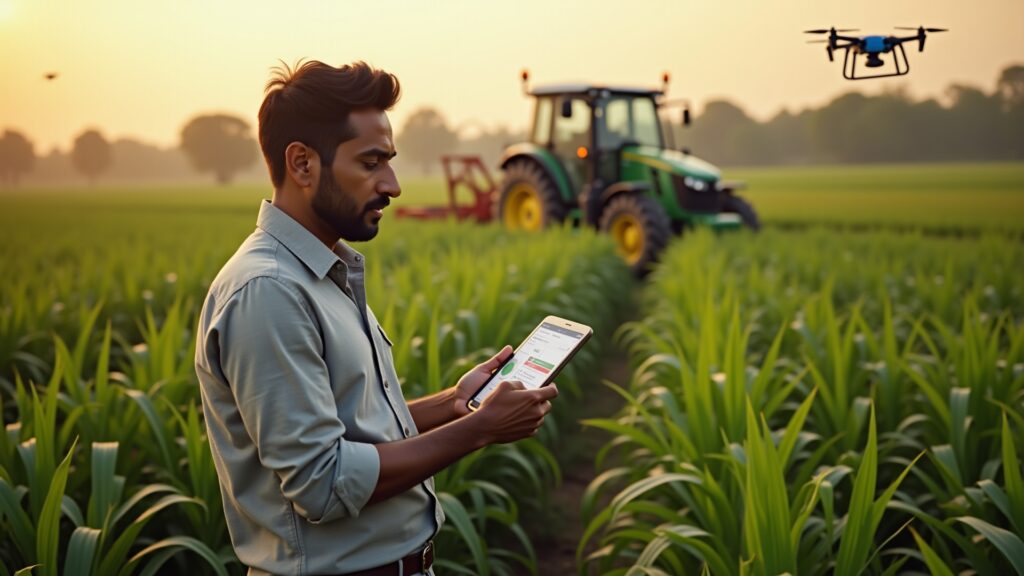
Recognizing the nuanced role of the Indian Ocean Dipole in modulating El Nino’s impact puts you ahead of the curve. This isn’t about reacting to unpredictable weather but about embedding climate intelligence into your decision architecture. Consider advanced agritech tools for real-time monitoring of oceanic and atmospheric indicators. Integrate this data into your financial planning models and sustainability strategies to drive resilience and competitive advantage.
“In agriculture, timing is rarely just operational — it is strategic.”
“The real opportunity is not in reacting late, but in understanding where the market is moving next.”
Actionable Takeaways for Agribusiness Leadership
- Regularly monitor Indian Ocean Dipole and El Nino forecasts alongside traditional meteorological data.
- Adjust planting and crop diversification strategies based on anticipated monsoon variability linked to IOD signals.
- Engage with policymakers to advocate for climate-informed agricultural policies and risk mitigation frameworks.
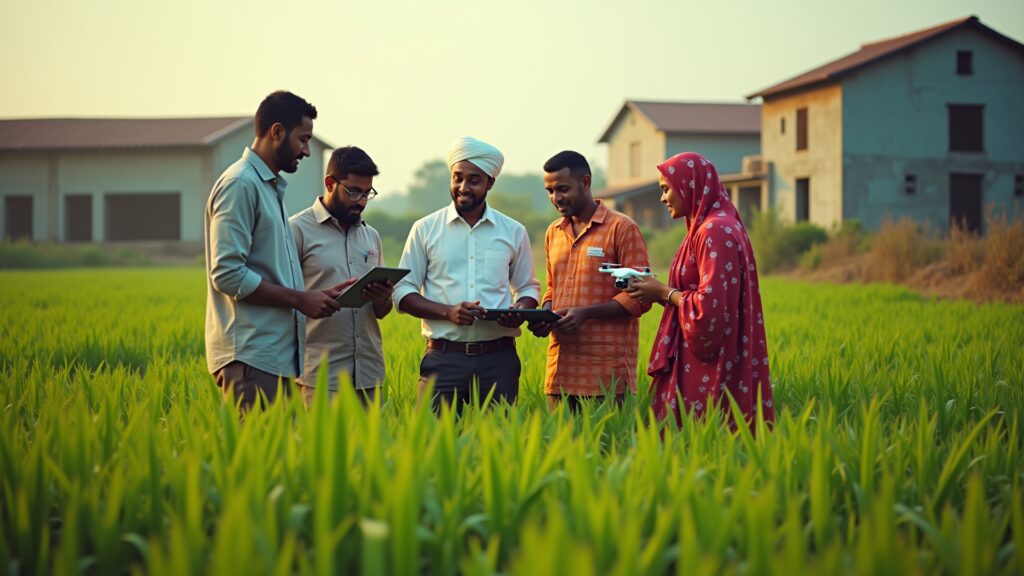
- Leverage agritech solutions for enhanced climate resilience and predictive analytics in farm operations.
- Factor IOD predictions into supply chain risk assessments to safeguard against market volatility.
Risks and Challenges Ahead
While IOD provides a valuable lens, uncertainties remain considerable. Climate systems are inherently complex, and relying solely on IOD metrics may lead to misjudgments if used without a comprehensive data ecosystem. Additionally, smallholder farmers often lack access to timely climate information and risk-finance mechanisms, limiting the practical impact of scientific insights.
What to Watch Next
Monitor how emerging climate models integrate IOD data with El Nino forecasts throughout this year’s monsoon season. Pay close attention to government and private sector initiatives that foster data-driven agricultural resilience, from insurance innovations to supply chain digitization. Staying informed on policy shifts relating to climate adaptation and agriculture finance will also position you favorably to navigate uncertainty.
Conclusion: Securing Agricultural Stability Through Climate Insight
Incorporating the Indian Ocean Dipole into your understanding of El Nino’s impact is essential for maintaining agricultural stability amid growing climate challenges. Your strategic agility, grounded in climate intelligence, will influence not only farm income security but also the sustainability of the rural economy and agribusiness growth. By embedding these insights into operational and financial planning, you can transform climatic risk into measurable opportunity and resilience.
“When policy, technology, and farm economics align, growth becomes more scalable.”