
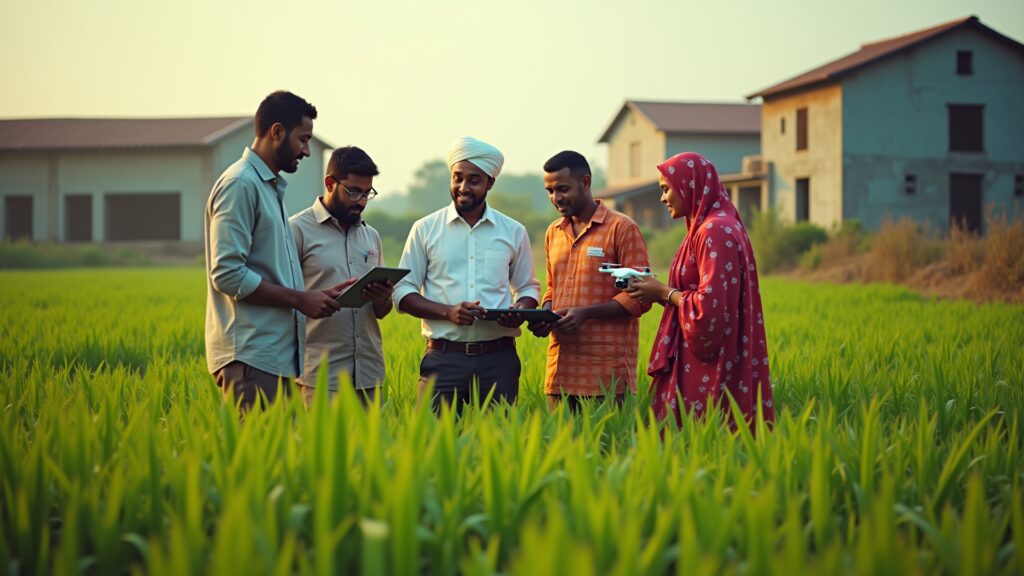












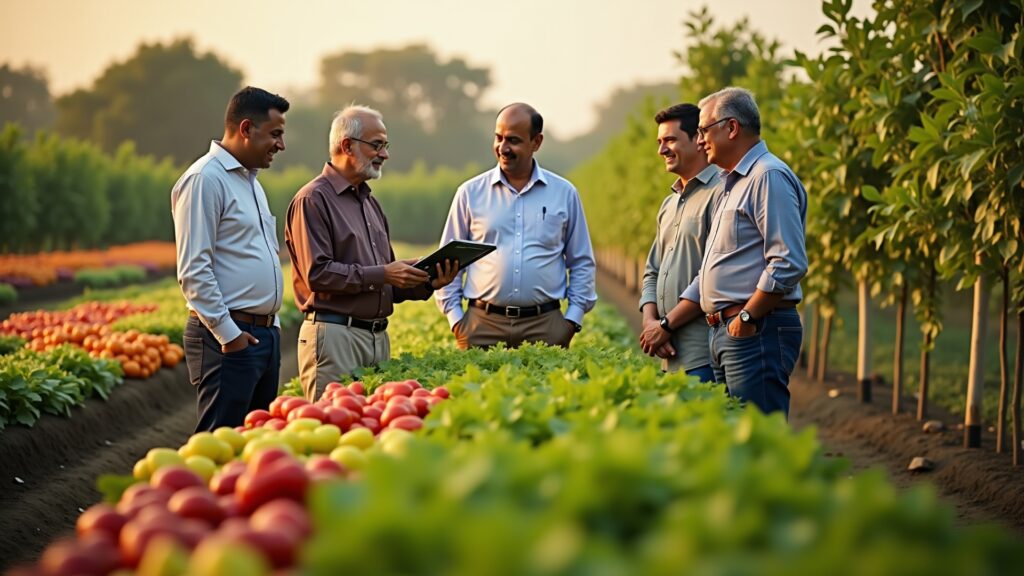
As a key player in agriculture, your strategic decisions today will define the trajectory of your business amid India’s evolving market landscape. The FICCI India Horticulture Summit 2026 has spotlighted horticulture not merely as an agricultural activity but as a powerful, transformative growth engine poised to reshape the rural economy and agribusiness ecosystem. Understanding this shift is essential if you are to leverage the expanding opportunities this sector presents.
Why This Growth in Horticulture Matters to You
Horticulture’s rise signals new avenues for investment, innovation, and market expansion that directly influence your bottom line and competitive positioning. For CEOs and investors, the sector’s increasing focus on high-value crops, supply chain optimization, and export potential marks a strategic inflection point. Policymakers and agri-leaders will find that integrating horticulture-centric policies drives sustainable rural development, enhancing overall farm profitability which is central to long-term agri-economic resilience.
What’s Unfolding in India’s Horticulture Landscape
The summit highlighted a convergence of agribusiness strategy, agritech innovation, and policy frameworks aligning around horticulture’s scaled growth. This sector is becoming a nexus for new agritech applications—from precision farming techniques to digital supply chain platforms—that help maximize yield and market reach. Simultaneously, export competitiveness is gaining momentum as global demand shifts toward diverse, quality fresh produce, positioning India as a critical player on the international stage.
Market, Policy, and Business Implications
This transition brings substantial implications for you as a business leader. The rural economy benefits from horticulture’s labor-intensive nature, helping alleviate rural unemployment while increasing farm incomes. For investors, the sector offers promising returns driven by innovations that reduce wastage and improve logistics efficiency. From a policy perspective, fostering sustainable horticulture practices aligns with global environmental goals and can unlock financial incentives or subsidies, giving you a double advantage in profitability and compliance.
Strategic Insights: Capturing Horticulture’s Potential
To capitalize effectively on horticulture growth in India, you must embrace integrated agribusiness strategies that balance scale with sustainability. This involves investing in technology-enabled precision agriculture and strengthening supply chains with cold chain infrastructure and digital traceability. Prioritizing crop diversification that caters to emerging consumer preferences domestically and internationally will enhance your market adaptability.
“The real opportunity is not in reacting late, but in understanding where the market is moving next.”
Corporate leadership should encourage startups and innovation hubs focused on agritech solutions to address sectoral challenges, from pest control to financial inclusion for smallholders. This ecosystem approach ensures business model agility and creates scalable value beyond traditional farming.
Practical Takeaways for Agribusiness Leaders and Investors
- Recognize horticulture as a sustainable growth vector within your portfolio or business strategy.
- Monitor policy shifts supporting export facilitation and supply chain subsidies critically affecting horticulture economics.
- Invest in agritech solutions that optimize input use, reduce post-harvest losses, and improve supply chain visibility.
- Engage with rural stakeholders to integrate their insights and foster inclusive growth models.
- Explore partnerships that enhance access to global markets and premium pricing for high-value crops.
Expert Perspectives to Guide Your Decisions
“In agriculture, timing is rarely just operational — it is strategic.”
“When policy, technology, and farm economics align, growth becomes more scalable.”
Challenges and Risks to Navigate
Despite its promise, horticulture growth demands vigilance against risks such as supply chain fragmentation, climate variability impacts, and market price volatility. You must prepare for these by investing in risk mitigation strategies like diversified crop planning, enhanced storage solutions, and forward contracts. Additionally, regulatory changes and trade policy shifts require close monitoring to safeguard your export ambitions.
What to Watch Next in Horticulture Growth India
Stay attuned to emerging agritech breakthroughs, government policy reforms, and international trade dynamics shaping the sector. The rapid maturation of cold chain infrastructure and digital marketplaces will be critical enablers worth tracking. Moreover, evolving consumer preferences toward organic and sustainable produce could redefine product portfolios and branding strategies.
Conclusion: Positioning Yourself at the Forefront of Horticulture Growth
The FICCI Horticulture Summit 2026 underscored a pivotal message: horticulture is not just farming but a robust engine driving rural economic revitalization, sustainability, and agribusiness profitability in India. Strategically positioning your enterprise to harness this growth means embracing innovation, aligning with enabling policies, and building resilient supply chains. This approach transforms horticulture into a competitive advantage, propelling your business toward sustainable long-term success.
As you consider where to deploy capital and leadership effort, keep in mind that horticulture growth India offers a unique intersection of profitability and positive impact that few sectors can match.