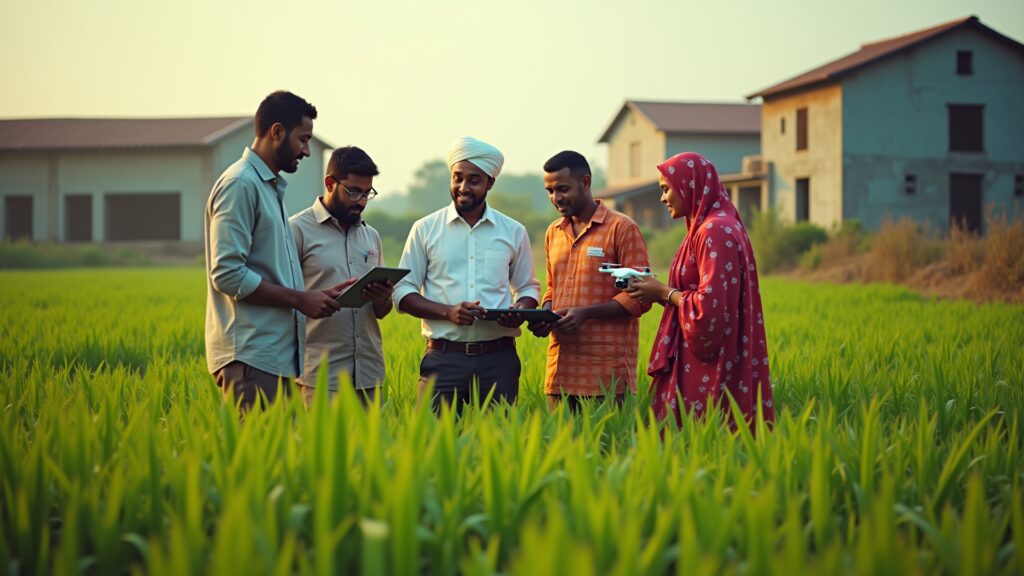










Income from farming can significantly increase by integrating precision agriculture technology into your practices. This innovative approach leverages data-driven insights and advanced tools to optimize resource use, improve crop yields, and reduce waste. By focusing on efficiency and sustainability, you can enhance your profitability without compromising the welfare of your farm or its workers. Embracing these technologies empowers you to cultivate a thriving agricultural business that supports both economic growth and ethical standards.
Key Takeaways:
- Precision agriculture technology optimizes resource use, reducing waste and lowering costs for farmers.
- Data-driven decision-making enhances crop yields and improves overall farm productivity.
- Empowering farmers with access to technology fosters sustainable practices and fair market competition.
Understanding Precision Agriculture
Precision agriculture integrates advanced technologies to enhance farming efficiency, optimize resources, and ultimately increase yields while respecting farmer rights and livelihoods. By leveraging data-driven insights, you can make informed decisions that promote sustainable practices and better management of crops and land. This approach focuses on tailoring farm management practices to the specific needs of your land, resulting in improved productivity and profitability.
Definition and Overview
Precision agriculture is a farming management concept that uses technology to observe, measure, and respond to field variability in crops. It encompasses a range of practices that enable you to apply inputs more accurately and efficiently, reducing waste and maximizing output. By utilizing data, you can achieve a more nuanced understanding of your agricultural operations.
Key Technologies in Precision Agriculture
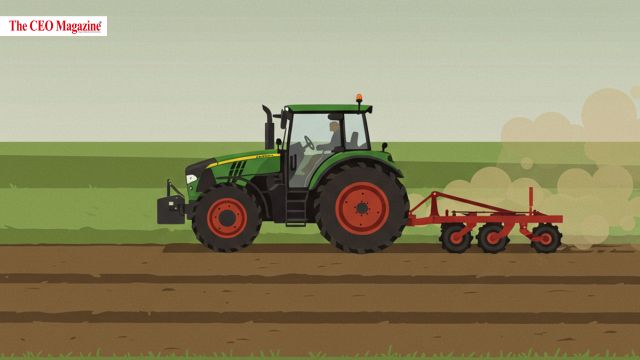
Several technologies are fundamental to precision agriculture, including GPS, remote sensing, and data analytics tools. These innovations facilitate accurate field mapping, variable rate technology, and real-time monitoring of crop health and soil conditions. By adopting these technologies, you can make timely and informed decisions that enhance your farming practices.
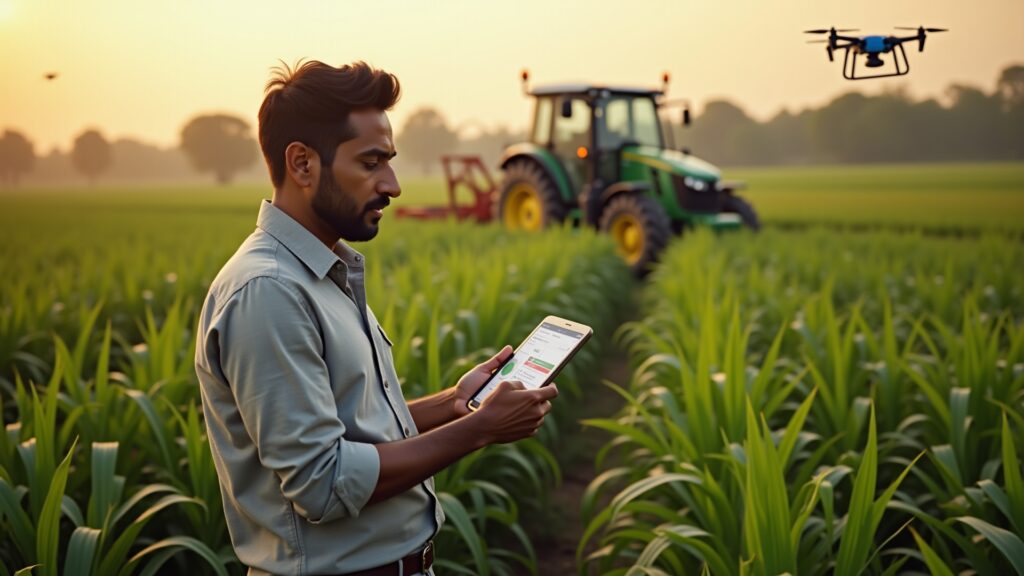
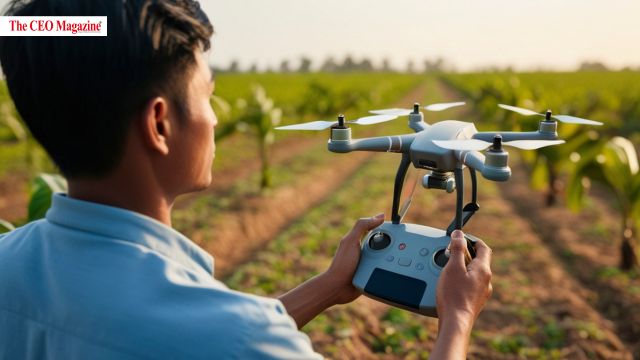
GPS technology enables precise navigation and field mapping, allowing you to pinpoint areas that require specific attention or resources. Satellite imagery and drones provide valuable insights into crop health and soil moisture levels, giving you real-time data for optimal management. Data analytics tools aggregate this information to generate actionable insights, helping you identify patterns and make data-driven decisions. For example, a farmer using precision irrigation technology can save up to 30% more water while increasing crop yield significantly. By embracing these technologies, you can cultivate a more sustainable and profitable farming operation.
Economic Impacts of Precision Agriculture
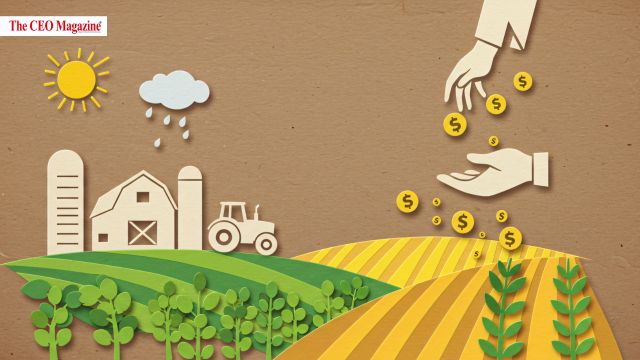
The economic impacts of precision agriculture are profound, enabling you to maximize yield while minimizing operational costs. By adopting these technologies, you can achieve increased productivity and profitability through informed decision-making, effectively aligning your investments with market demands. This shift not only sustains your income but also contributes to a sustainable agrarian economy.
Cost Reduction and Efficiency
Precision agriculture significantly reduces costs by optimizing inputs like seed, water, and fertilizers. Utilizing GPS-guided equipment and soil sensors, you can apply resources precisely where they are needed, resulting in less waste and lower expenditure. For instance, farmers using variable rate technology reported a 10-20% reduction in input costs, leading to more budget flexibility.
Revenue Enhancement Strategies
Enhancing revenue through precision agriculture involves diversifying your crop production and engaging in value-added services. By leveraging data analytics, you can identify market trends and adjust your planting strategies, ensuring you cultivate high-demand crops. Additionally, offering agronomic services or partnering with local businesses can provide supplementary income streams.
One effective revenue enhancement strategy is to incorporate crop rotation and cover cropping more strategically based on predictive analytics. By analyzing historical data and market trends, you can pinpoint crops that yield higher prices in your region. For instance, transitioning to organic farming can offer premium prices, with organic produce selling for 20-100% more than conventional. Additionally, utilizing platforms that connect you directly with consumers can expand your market reach and improve your profit margins.
Sustainable Farming Practices
Sustainable farming practices are important for long-term agricultural success, focusing on methods that enhance productivity while preserving environmental integrity. By implementing precision agriculture technologies, you can adopt techniques such as crop rotation, cover cropping, and reduced tillage, which promote soil health, conserve water, and reduce reliance on harmful chemicals. These practices not only sustain your farm’s productivity but also contribute to a healthier ecosystem, ensuring that future generations can enjoy the benefits of agriculture.
Resource Management
Effective resource management is at the heart of sustainable farming. Utilizing precision agriculture tools, you can analyze soil health, moisture levels, and nutrient requirements to allocate resources effectively. By employing smart irrigation systems and fertilizers based on real-time data, you optimize inputs, reduce waste, and ultimately lower costs while improving crop yields.
Environmental Benefits
Integrating precision agriculture results in significant environmental benefits. Smart technologies reduce the application of fertilizers and pesticides, which minimizes runoff into waterways. Implementing these practices can lead to enhanced biodiversity as you create habitats for beneficial insects and other wildlife, promoting a balanced ecosystem that supports your farming efforts.
The positive environmental impacts are evident; farms utilizing precision agriculture can decrease their chemical usage by up to 30%, leading to cleaner waterways and improved soil health. Additionally, data-driven practices contribute to carbon sequestration, helping to combat climate change by capturing CO2 emissions through healthier soils and sustainable land management, which is increasingly important in today’s context of environmental awareness and ecological responsibility.
Case Studies of Successful Implementation
Success stories abound in precision agriculture, revealing tangible benefits for farmers who embrace these technologies. These case studies illustrate how data-driven practices can significantly enhance productivity and profitability while ensuring sustainability.
- In Iowa, USA, farmers implementing GPS mapping saw yields increase by 20%, translating to an additional $40,000 per farm annually.
- A farmer in Brazil reported a 30% reduction in pesticide costs after adopting drone technologies, leading to increased gross margins of $15,000.
- In Europe, a cooperative utilizing sensor technologies increased grain savings by 25%, resulting in collective profits rising by €2 million over two years.
- Farmers in India using soil moisture sensors improved irrigation efficiency, reducing water usage by 40% and boosting crop yields by 50%.
Regional Examples
Your understanding of regional case studies highlights the diverse applications of precision agriculture. For instance, in the Midwest U.S., farms employing variable rate technology not only experienced higher yields but also optimized inputs, resulting in an increase in net income. Similarly, farmers in Sub-Saharan Africa, by utilizing mobile apps for market access and weather forecasts, have gained visibility into pricing, improving their income stability.
Impact on Farmer Livelihoods
The integration of precision agriculture increases your income potential and improves overall livelihoods by reducing risks associated with crop failures and market fluctuations. Farmers report greater financial stability and enhanced quality of life through more informed decision-making and efficient resource management.
As precision agriculture evolves, its positive impact on farmer livelihoods becomes increasingly evident. By leveraging technologies such as soil sensors, drones, and data analytics, you can minimize costs and maximize yields, ultimately leading to higher income levels. Farmers who adopt these practices often find themselves more equipped to face market challenges, enhancing their resilience and ability to invest in further advancements. This transformation not only uplifts individual farmers but also revitalizes entire communities, fostering economic growth and innovative agricultural practices across the board.
Addressing Challenges and Concerns
Even with the immense potential of precision agriculture, challenges linger that require careful thought. Issues like technological accessibility and ethical implications can hinder adoption and limit the benefits to farmers. Addressing these concerns is necessary to ensure that these advancements contribute positively to agricultural economies and empower farmers rather than marginalize them.
Technological Accessibility
Technological barriers can prevent many farmers from fully embracing precision agriculture. Access to smartphones, high-speed internet, and advanced machinery often varies by region, particularly in rural areas. Bridging this gap is vital, as providing affordable solutions and training sessions can empower more farmers to harness these technologies effectively and boost their productivity.
Ethical Considerations in Implementation
Implementing precision agriculture raises ethical questions about data ownership and privacy. For instance, who owns the data collected through your equipment? Clear policies must be established to protect farmer data and ensure that technology companies promote fair practices. This transparency builds trust and supports a sustainable agricultural environment.
Consider cases where companies have faced backlash over data misuse; the fallout often leads to distrust among farmers. Establishing a framework where farmers have full control over their data and its usage is crucial. Encouraging collaboration between tech companies and farming communities can create ethical guidelines that respect farmers’ rights while allowing for innovation. This way, precision agriculture can advance without compromising the integrity or well-being of those it aims to support.
Future Trends in Precision Agriculture
The landscape of precision agriculture is rapidly evolving, with advancements that promise enhanced efficiency and sustainability for your farming practices. Emerging technologies like artificial intelligence, machine learning, and integrated data analytics are paving the way for farming decisions that are even more data-driven. As these innovations mature, you can expect to see improvements in crop yield prediction, resource allocation, and pest management strategies.
Innovations on the Horizon
Next-generation tools such as autonomous drones, robotic harvesters, and soil moisture sensors are ushering in a new era of farming. These innovations will enable you to fine-tune operations by providing real-time data on crop health and environmental conditions. For instance, integrating machine learning algorithms can help you predict optimal planting times, ensuring maximum yield potential.
Potential for Global Adoption
The potential for global adoption of precision agriculture is vast, especially in developing countries where food security is a pressing issue. With increasing access to mobile technology and internet connectivity, smallholder farmers can leverage precision tools to enhance their productivity significantly. In fact, studies suggest that even modest investments in precision agriculture can lead to yield increases of 20-30% within just a few farming seasons.
This shift toward precision farming doesn’t just apply to affluent nations; it holds promise for smallholders in regions like Africa and Southeast Asia. Initiatives such as affordable sensor technology or GPS-guided machinery enable farmers with limited resources to adopt precision methods. Collaborative platforms that share data and training can further democratize access to these technologies, ensuring that all farmers, regardless of economic status, can bolster their income and contribute to global food resilience.
Final Words
With these considerations, you can recognize how precision agriculture technology has the potential to significantly enhance your farm income while ensuring sustainable practices. By leveraging data analytics, smart sensors, and automated machinery, you can optimize resource usage and maximize yield. This approach not only increases your profitability but also promotes responsible farming that respects both your livelihood and the environment. Embracing these innovations allows you to harness the future of agriculture, empowering you to thrive without exploiting your resources or compromising your values.
FAQ
Q: How can precision agriculture technology increase farm income without burdening farmers?
A: Precision agriculture technology optimizes resource use by analyzing data on soil health, crop conditions, and weather patterns. By utilizing sensors, drones, and data analytics, farmers can make informed decisions that maximize yields and reduce waste. This efficient use of resources leads to higher productivity and, consequently, increased income without overextending farmers.
Q: What role do data-driven insights play in enhancing farm profitability?
A: Data-driven insights provided by precision agriculture tools enable farmers to tailor their practices according to specific field conditions. By understanding variations within their fields, farmers can apply fertilizers and pesticides more efficiently, resulting in lower costs and improved crop quality. This targeted approach allows for not just sustaining but increasing profit margins.
Q: How does precision agriculture promote sustainable practices for farmers?
A: Precision agriculture encourages sustainable farming practices by minimizing the use of chemical inputs and water through precise applications based on real-time data. This not only preserves environmental resources but also reduces the potential financial strain on farmers from purchasing excess supplies. Sustainable practices foster long-term soil health and crop viability, which can further enhance farmer incomes over time.