










As a key player in India’s tea agribusiness landscape, you’re facing a critical reality with the recent deficit summer rains in South India that have tangibly impacted May tea output. This climatic anomaly is not just another weather statistic; it signals a pressing risk to your supply chains, operational forecasts, and ultimately, your bottom line. Understanding this development and its broader implications is essential for informed strategic decision-making and safeguarding the sustainability of your tea ventures.
Why This Climate Disruption Matters to Your Business
The shortfall in summer rainfall directly translates to reduced tea crop yield in South India, one of the country’s principal tea-producing hubs. This isn’t just an agronomic challenge—it’s a strategic business concern. Your investments, pricing strategies, supplier relationships, and export commitments are all poised to be affected. Supply chain vulnerabilities emerge sharply as raw material availability tightens, and volatility in tea production could ripple through market prices and farm incomes.
Moreover, the deficit rainfall highlights broader climate risks that threaten the long-term sustainability of Indian tea. As an agribusiness leader or investor, recognizing these patterns equips you to anticipate disruptions and invest in resilience rather than merely reacting to crises.
What Is Happening: The Deficit Rainfall and Its Impact on Tea Production
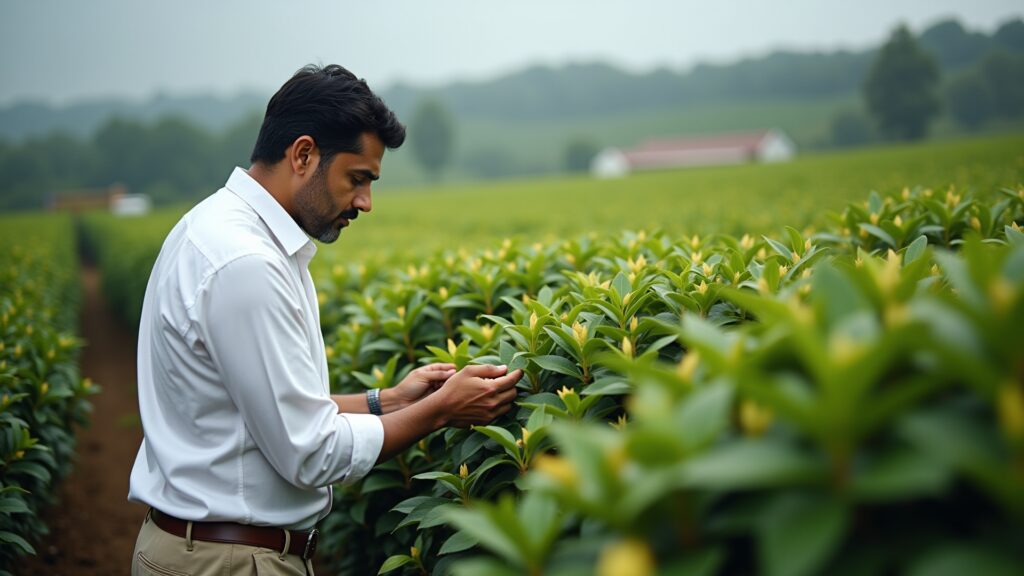
South India’s summer months usually witness substantial monsoon activity critical for tea plantations’ growth cycle. However, this year’s below-average rains have led to a reduction in soil moisture, affecting the growth phases of tea bushes and reducing plucking quality and quantity. As a result, the May tea output has dipped significantly—an outcome that industry stakeholders monitor closely for signs of wider seasonal impacts.
This shift underscores the sensitivity of tea agribusinesses to climatic variability and the cascading effect it has on supply forecast accuracy. Given tea’s role in both domestic consumption and export revenues, these fluctuations pose real challenges for agribusiness financial planning and policy framing.
Strategic Business and Market Implications
For your agribusiness, the immediate concern rests on managing the diminished raw material flow while maintaining operational efficiency and market commitments. This can pressure margins if costs rise due to scarcity or quality drops. Additionally, the Indian tea supply chain, stretching from growers to processors to exporters, faces added uncertainty that could prompt delayed deliveries and contractual disputes.
At a broader level, this weather event brings to light the necessity of integrating climate risk assessments into agricultural investment decisions. Agribusiness leadership must now prioritize adaptive practices and innovative technologies that buffer such disruptions.
Deeper Insight: Navigating Climate Risk and Supply Chain Resilience
“In agriculture, timing is rarely just operational — it is strategic.” This rings especially true as weather variability in South India challenges conventional crop forecasting models. Leveraging advanced data analytics, remote sensing, and AI-powered weather prediction tools can enhance your ability to anticipate these risks and adjust sourcing and production timelines accordingly.
Simultaneously, diversifying supply origins and investing in drought-resistant cultivars can reduce exposure. Such strategies align with sustainability goals and help stabilize farm profitability despite climatic headwinds.
Key Takeaways: What You Need to Do Now
- Understand the impact of deficit summer rains on crop yields and supply timelines in South India.
- Monitor climate variability data closely to anticipate and mitigate production risks.
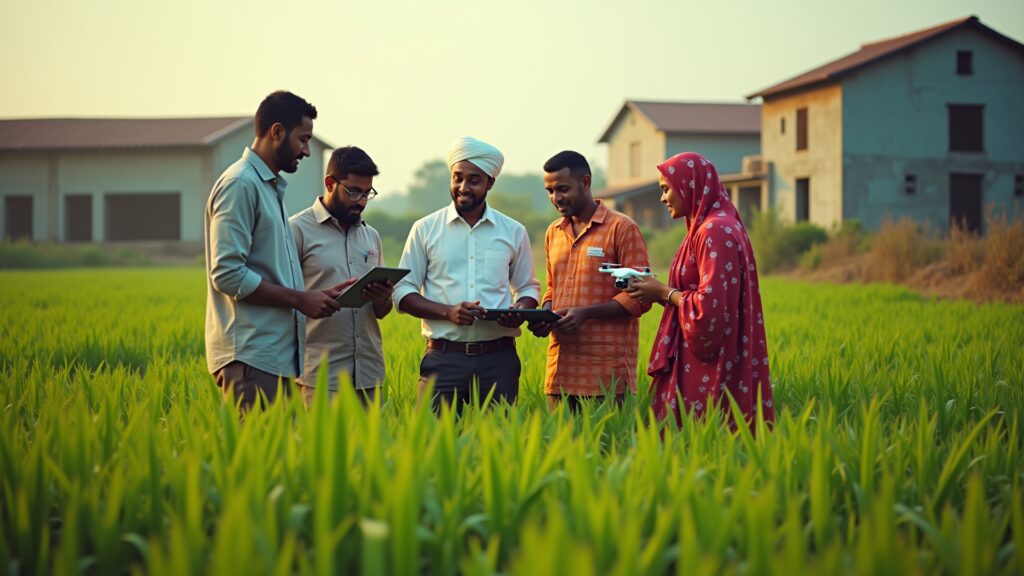
- Invest in agritech solutions—such as precision agriculture and AI-based forecasting—for enhanced decision-making.
- Strengthen your supply chain resilience by diversifying sourcing and building contingencies.
- Engage with policymakers on climate adaptation frameworks that support sustainable tea cultivation.
- Consider the financial implications for farm sustainability and integrate climate risk into your agribusiness investment assessments.
Expert Perspective: Navigating Uncertainty in Tea Agribusiness
“The real opportunity is not in reacting late, but in understanding where the market is moving next.”
“When policy, technology, and farm economics align, growth becomes more scalable.”
Risks and Challenges Ahead
The key risk remains the unpredictability of rainfall patterns, which can exacerbate production volatility and market instability. Overreliance on conventional crop cycles without integrating climate risk strategies could expose your operations to losses and reputational risks. Additionally, regional disparities in rainfall distribution could strain regional supply networks within South India.
Policy uncertainties around climate adaptation funding and regulatory frameworks can also complicate investment decisions. You must navigate these externalities carefully while aligning internal resilience initiatives.
What Should You Watch Next?
Keep a close eye on monsoon progressions and rainfall forecasts through reliable agronomic data sources and meteorological updates. Advances in agritech that allow real-time monitoring of tea crop health and soil moisture could offer early warning signals. Also, watch government policy responses on agriculture climate resilience funding and incentives as these will influence investment viability and risk management strategies.
Conclusion: Transforming Risk into Strategic Advantage
The deficit summer rains in South India serve as a crucial reminder that climate variability is a material risk to your tea agribusiness and supply chain integrity. Yet, embedded within this challenge lies an opportunity to innovate, leverage technology, deepen supply chain agility, and forge partnerships that elevate sustainability and profitability. By proactively addressing these risks, you position your enterprise not just to withstand short-term shocks, but to thrive amid the evolving agricultural landscape.
Keeping an informed, strategic perspective on climate risk will be a defining factor in your leadership success within the Indian tea sector and beyond.