












The arrival of the monsoon’s first depression signals a critical juncture for your agribusiness and the broader agricultural ecosystem. This weather event is not simply about rainfall; it represents a strategic pivot point affecting crop cycles, supply chains, rural economies, and farm finance. You must act now to understand and navigate the complexities brought on by a week-long rain siege that threatens productivity and market stability.
Why This Matters to You
As an agribusiness leader, policymaker, investor, or advanced farmer, the monsoon depression impact reshapes the operational and financial landscape of Indian agriculture. The enduring heavy rainfall will influence your crop planning, logistical decisions, and risk assessments, putting pressure on supply chain resilience and profitability. Ignoring these risks is not an option if you aim to maintain competitive advantage and market continuity amidst climate variability.
What Is Happening: The Monsoon Depression and Its Characteristics
India’s monsoon season has been officially marked by the first depression forming over the Bay of Bengal and moving ashore, promising sustained, heavy rain over the next seven days. Unlike scattered showers, this depression will generate consistent downpours, increasing soil moisture drastically and creating flooding challenges in vulnerable agricultural zones.
This meteorological event introduces both risk and opportunity – excess water can boost crop yields if managed properly but also triggers disease, pest outbreaks, waterlogging, and delays in harvesting. Being strategically prepared will differentiate winners from those who suffer setbacks.
Key Business and Market Impacts to Monitor
- Crop Health and Productivity: Excess water stresses crops such as wheat and pulses but could benefit water-intensive varieties. Monitor crop-specific vulnerabilities and adapt your input schedules accordingly.
- Supply Chain Disruptions: Heavy rain will hamper transport routes, delay deliveries, and create bottlenecks. Precision in logistics planning and inventory buffers will be essential.
- Farm Finance and Investments: Anticipate liquidity constraints for farmers facing delayed harvesting or crop damage. Financing partners should assess risk portfolios carefully.
- Rural Economy Dynamics: The monsoon’s prolonged presence affects labor availability, pricing trends of agri-commodities, and rural market activity.
Strategic Analysis: Turning Risks into Opportunities
In agriculture, timing is rarely just operational — it is strategic. The real opportunity is not in reacting late, but in understanding where the market is moving next. To that end, here is what you should consider:
- Data-Driven Crop Management: Leverage remote sensing and localized weather forecasting to adjust irrigation, pesticide application, and harvesting timelines.
- Strengthening Supply Chain Resilience: Collaborate with logistics providers to redesign routes and build contingency inventories to mitigate transport delays.
- Agri-Finance Risk Mitigation: Develop flexible credit products that accommodate the ripple effects of prolonged rainfall, such as delayed repayments or refinancing options.
- Policy Engagement and Advocacy: Use this moment to push for improved flood management infrastructure and tailored insurance schemes aligned to monsoon risks.
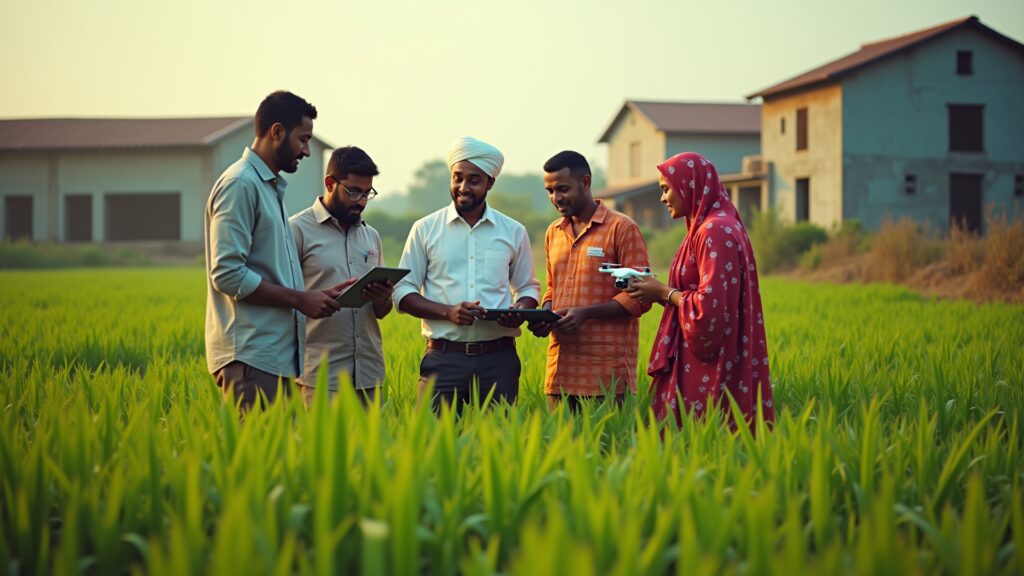
- Leveraging Technology and Innovation: Deploy IoT-based soil moisture sensors and drone surveillance to monitor crop health in real time, enabling proactive interventions.
Practical Takeaways for Agribusiness Leaders
- Understand crop-specific vulnerabilities related to heavy rain and prepare adaptive input schedules.
- Monitor infrastructure and logistics capacity to anticipate and mitigate supply chain interruptions.
- Reassess financial exposure and support liquidity for your farming partners to maintain operational continuity.
- Invest in insight-driven technology to improve real-time decision-making during volatile weather conditions.
- Engage actively with policymakers to align relief mechanisms and risk-sharing frameworks that address monsoon depression impacts.
Expert Perspectives
“In agriculture, timing is rarely just operational — it is strategic.”
“The real opportunity is not in reacting late, but in understanding where the market is moving next.”
“When policy, technology, and farm economics align, growth becomes more scalable.”
Risks and Challenges Ahead
Even well-prepared leaders must recognize the inherent uncertainties with climate risk agriculture. Heavy rain can exacerbate pest diseases, deteriorate soil health, and stretch financial resources thin. The rural economy could face labor shortages or wage inflation as demand for skilled harvest labor increases post-rain. You should also watch for policy changes or emergency regulations affecting crop marketing and resource allocation.
What You Should Watch Next
- Weather updates and intensity forecasts from reliable meteorological sources daily.
- Government advisories on flood management, crop insurance claims, and relief packages.
- Market price movements of key commodities vulnerable to supply delays or excess moisture.
- Logistical performance metrics and transportation cost fluctuations.
- Emerging agritech solutions designed to mitigate climate impacts.
Conclusion: Build Resilience by Embracing Strategic Flexibility
The monsoon depression impact is a vivid reminder that climate variability is now a defining feature of your agribusiness environment. To protect your assets and seize new opportunities, you must adopt an agile, insight-driven approach toward crop management, supply chains, financing, and policy engagement. By doing so, you ensure your business is not merely surviving the heavy rains, but thriving beyond them, as a strategic leader in Indian agriculture’s evolving future.