











As a leader in the agribusiness sector, your understanding of export markets is pivotal to steering your enterprise toward sustainable growth and global relevance. The fact that West Asia accounts for one-fifth of India’s agricultural exports is not just a statistic—it signals a transformative shift in trade corridors that demands your attention. This evolving market dynamic, closely monitored by India’s government, presents both significant opportunities and complex challenges for your export strategy, supply chain management, and investment decisions.
Why India’s Agricultural Exports to West Asia Matter to You
You operate at the intersection of agritech innovation, market expansion, and policy navigation. West Asia’s growing share in India’s agricultural export portfolio amplifies your need to grasp the nuances shaping this corridor. From fluctuating geopolitical tensions to shifting consumer demand patterns, the region represents a critical axis affecting your business’s revenue potential and risk profile. Your strategic decisions around agritech adoption, supply chain resilience, and market diversification hinge on understanding these intricacies.
What Is Driving the Shift in India-West Asia Agricultural Trade?
India’s agricultural exports to West Asia have surged as the region enhances its reliance on food imports to meet domestic demand. This dependency aligns with West Asia’s limited arable land and water scarcity, making India a strategic partner for stable agricultural supply. Additionally, government monitoring of this trade corridor indicates heightened scrutiny regarding export quality standards, logistical frameworks, and tariff or non-tariff barriers.
Trade flows now encompass commodities ranging from staple grains and spices to horticultural products, reflecting a diversification that brings fresh opportunities and complexities. This climate of vigilance by Indian policymakers is a response to ensure competitive positioning while safeguarding export sustainability.
Key Business and Market Impacts You Must Navigate
- Supply Chain Optimization: The geopolitical fluidity in West Asia requires you to build resilient, adaptable supply chains capable of navigating border restrictions, fluctuating freight costs, and regulatory changes.
- Policy Alignment: Staying abreast of government directives and bilateral trade agreements affecting agricultural exports is crucial for ensuring your compliance and capitalizing on incentives or emerging markets.
- Market Diversification Strategy: While West Asia is growing in importance, balancing your export portfolio across multiple regions reduces overdependence risks and seizes varied growth trajectories.
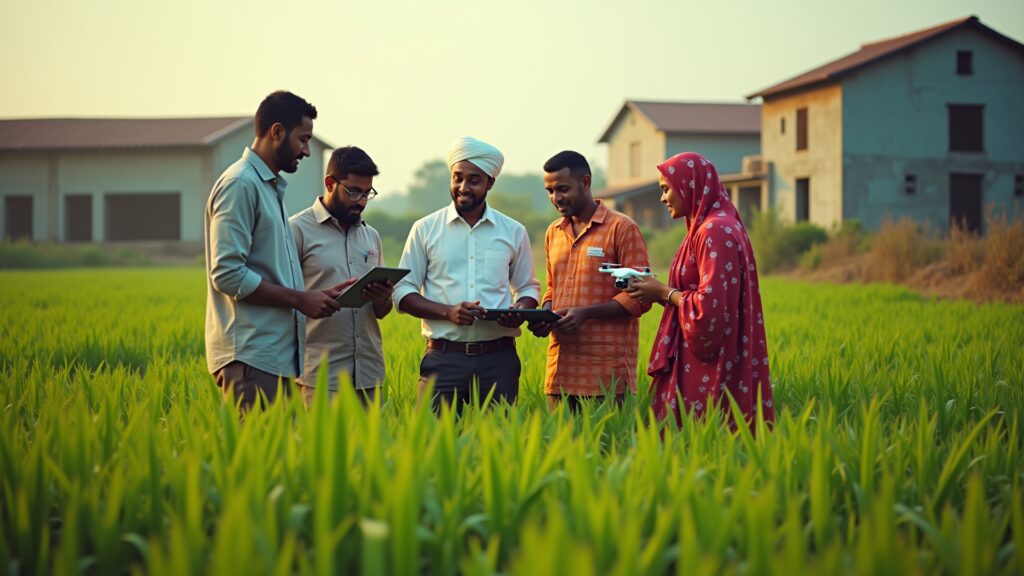
- Technological Integration: Leveraging agritech solutions for real-time market intelligence, quality assurance, and logistics management can enhance your competitive edge in this demanding export corridor.
Strategic Insights: Positioning Your Business for Sustainable Growth
Consider this: the evolving India-West Asia agricultural trade relationship is a microcosm of global supply chain shifts influenced by geopolitical, environmental, and economic factors. You have the opportunity to lead your organization into a future where sustainability and innovation converge.
Strategic foresight requires that you:
- Invest in supply chain transparency technologies to pre-empt disruptions.
- Engage proactively with policy developments to influence favorable trade frameworks.
- Explore agritech-driven innovations to enhance product quality and compliance with international standards.
- Foster partnerships with stakeholders across the value chain—including logistics providers, exporters, and local government agencies in West Asia—to streamline operations.
“In agriculture, timing is rarely just operational — it is strategic.”
“The real opportunity is not in reacting late, but in understanding where the market is moving next.”
“When policy, technology, and farm economics align, growth becomes more scalable.”
What You Should Take Away
- Monitor geopolitical developments in West Asia closely, as these directly affect trade flow and operational risk.
- Stay informed about India’s evolving government policies and international trade agreements impacting agricultural exports.
- Prioritize investment in agritech tools that enable quality control, traceability, and supply chain agility tailored to West Asia’s demands.
- Consider strategic diversification of export markets while strengthening your position in West Asia as a key corridor.
- Engage with industry forums and policy dialogue platforms to stay ahead of regulatory and market shifts.
Risks and Challenges to Keep in Mind
While the West Asia agribusiness market offers promising growth, you must be vigilant about potential challenges:
- Geopolitical Volatility: Conflicts and political changes in the region can disrupt trade routes and increase transaction risks.
- Regulatory Complexity: Non-uniform standards and sudden policy shifts may obstruct streamlined export operations.
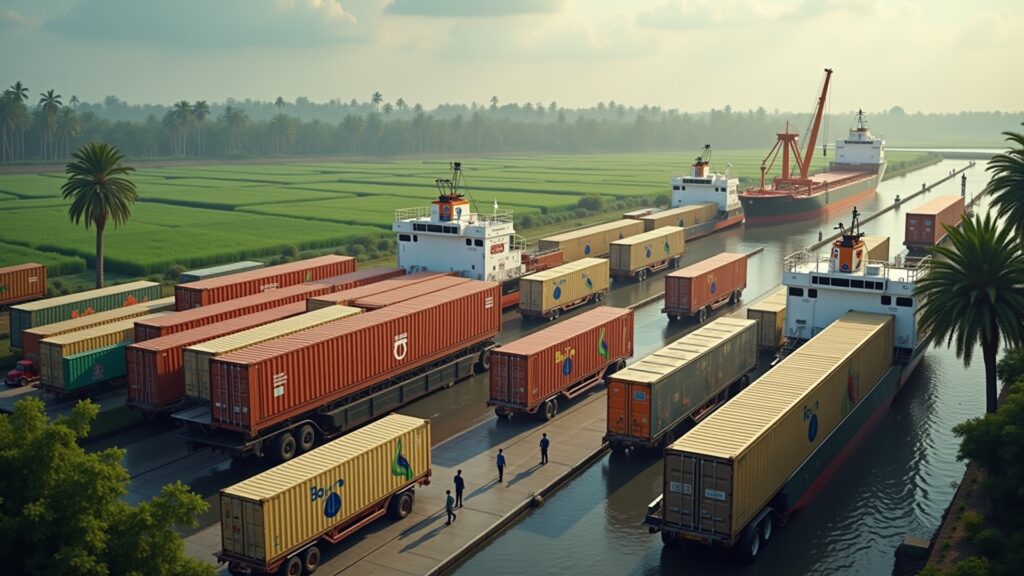
- Supply Chain Vulnerabilities: Dependency on maritime logistics and port infrastructure weaknesses can cause delays or losses.
What You Should Watch Next
Stay alert to India’s government updates on export policies, bilateral trade talks with West Asian countries, and emerging agritech innovations tailored to export markets. Additionally, evolving consumer preferences in West Asia, particularly for organic and sustainably sourced produce, could redefine market demands.
Conclusion: Navigating the Future of India’s Agricultural Exports to West Asia
Your role as an agribusiness leader places you at the heart of a dynamic trade evolution between India and West Asia. India’s agricultural exports to West Asia represent not only substantial market opportunities but also a call to strategic action—balancing innovation with risk management and policy insight. By aligning your export strategy with these trends, you safeguard your enterprise’s profitability while contributing to a resilient, forward-looking agricultural trade ecosystem.
Embrace this moment to refine your approach, deepen your market intelligence, and lead your business confidently through the complexities that define the future of global agribusiness.