
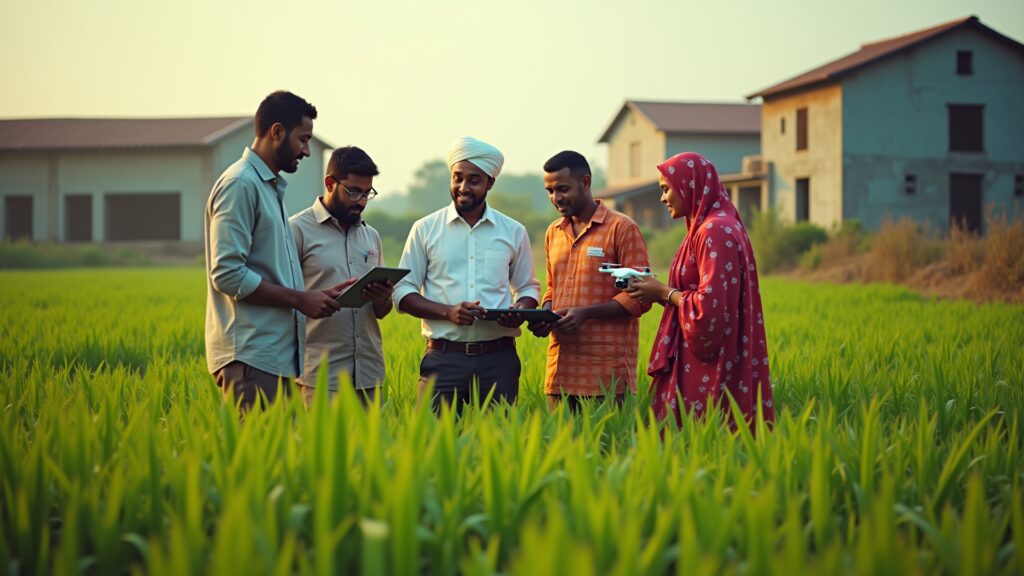













As an agribusiness leader, investor, or policy influencer in India’s dynamic agricultural sector, you face immense pressure to optimize your supply chains not just for cost but for sustainability, quality, and resilience. Sustainable sourcing is no longer a peripheral concept—it’s rapidly becoming central to unlocking new layers of value across India’s agriculture supply chains. If you want to future-proof your agribusiness, enhance profitability, and access global markets with exacting sustainability standards, this is a strategic pivot you cannot afford to overlook.
Why Sustainable Sourcing Should Be a Core Business Priority for You
The agricultural landscape in India is evolving under multiple forces: rising consumer awareness about ethical and sustainable products, stricter environmental regulations, and growing pressure from international buyers. By integrating sustainable sourcing into your farm-to-market strategy, you can dramatically reduce environmental impact, improve product quality, and boost supply chain transparency—thereby directly enhancing farm profitability and your competitive advantage.
Here’s why this development should be at the top of your agenda: sustainability is now linked to financial performance, risk mitigation, and brand reputation. Those who act swiftly will capture emergent market opportunities and build supply chains resilient to climate disruption and policy changes.
What Is Happening in India’s Agricultural Supply Chains?
Indian agriculture is witnessing a significant shift towards sustainable sourcing driven by agritech innovations, policy reforms, and evolving consumer preferences. More agribusinesses are partnering with farmers to implement sustainable agricultural practices—such as water-efficient irrigation, organic farming, and reduced chemical usage—that meet global sustainability benchmarks.
This shift is supported by technology platforms that provide real-time data transparency, traceability, and better farm-level insights to optimize resource use and reduce waste. Investors are increasingly channeling funds into agritech ventures focused on enhancing sustainability, while government policies are incentivizing supply chains that prioritize ethical sourcing methods.
Key Business and Market Implications You Must Consider
- Enhanced Market Access: Sustainable sourcing opens doors to premium international markets like the EU and US, where compliance with strict environmental and social standards is mandatory.
- Supply Chain Resilience: Ethical sourcing reduces dependency on high-risk inputs and unstable supply segments, mitigating climate and regulatory risks.
- Cost Management: Though initial investments in sustainable sourcing can be higher, operational cost savings accrue from better resource efficiency and reduced wastage over time.
- Brand Differentiation: You can build a powerful brand narrative around sustainability, creating stronger differentiation and customer loyalty.
Deeper Strategic Insights: Leveraging Sustainable Agriculture as a Competitive Advantage
Adopting sustainable sourcing is not simply a regulatory checkbox or trend response. It is a strategic lever to foster long-term profitability and leadership. By embedding sustainability into your core sourcing policies, you can align agritech innovations with production goals—leveraging data-driven approaches to forecast yields, monitor soil health, and evaluate environmental impacts.
Furthermore, strategically partnering with farmer cooperatives and leveraging digital platforms amplifies impact. These collaborations enable knowledge sharing and incentivize smallholder farmers to adopt better practices, ultimately stabilizing your input quality and ensuring supply consistency.
“In agriculture, timing is rarely just operational — it is strategic.” Embracing sustainable sourcing now means you position your agribusiness ahead of tightening global standards and evolving consumer expectations.
Actionable Takeaways: What You Should Do Next
- Assess Your Current Supply Chain: Identify where unsustainable practices persist and prioritize interventions with the highest impact on environmental and economic outcomes.
- Invest in Agritech Solutions: Explore platforms and tools that enhance traceability, resource efficiency, and farmer engagement to drive measurable sustainability metrics.
- Foster Transparent Farmer Partnerships: Build long-term relationships that reward sustainable practices through premium pricing or technical support.
- Align With Policy Incentives: Monitor government schemes promoting sustainable agriculture and integrate them into your sourcing strategies.
- Communicate Transparently: Highlight your sustainability efforts in your brand narrative to strengthen trust with consumers, buyers, and investors.
Insightful Reflections on Sustainable Sourcing
“The real opportunity is not in reacting late, but in understanding where the market is moving next.”
“When policy, technology, and farm economics align, growth becomes more scalable.”
Risks and Challenges You Must Navigate
While sustainable sourcing offers clear benefits, the transition is complex. You will face challenges including higher upfront costs, the need for farmer capacity building, and potential trade-offs between immediate profitability and long-term sustainability. Supply chain fragmentation in India, with millions of smallholders, can complicate consistent quality standards and traceability.
Moreover, without rigorous data systems and transparent reporting, verifying sustainability claims remains problematic—potentially risking greenwashing accusations that can damage reputation and market credibility.
What You Should Monitor Going Forward
Keep a close eye on evolving global market requirements around sustainability certifications and social compliance. Track agritech innovation trends that enhance farm-level monitoring and supply chain transparency. Watch policy shifts at both national and international levels, especially those incentivizing or regulating sustainable agricultural practices.
Moreover, observe consumer sentiment shifts and demand patterns for ethically sourced products, as these insights will help you anticipate and align your supply chain strategies effectively.
Conclusion: Embrace Sustainable Sourcing to Unlock Lasting Value in India’s Agriculture Supply Chains
Integrating sustainable sourcing into your agricultural supply chain is a strategic imperative that unlocks multifaceted value—from reducing environmental footprints to capturing premium market access. This approach enhances resiliency, profitability, and brand equity in an increasingly complex and conscious global marketplace.
By proactively adopting innovation-driven, ethical sourcing models, you position your agribusiness as a leader in agricultural sustainability in India. As the sector evolves, those who embed these practices will not only future-proof their operations but also contribute meaningfully to the rural economy and global sustainability goals.
“Sustainability is not an add-on; it is integral to creating value in agriculture today and tomorrow.”