













Your business decisions in the sugar sector are today framed by a remarkable development: India, the world’s largest sugar producer, has reported an 8% increase in sugar output, reaching 27.39 million tonnes as of mid-April. This isn’t just a statistic—it’s a signal that ripples through your agribusiness strategies, investments, and supply chain considerations.
Why This Sugar Production Growth Matters to You
As an agribusiness leader, investor, or policymaker, you understand that shifts in production volumes directly impact prices, profitability, and market opportunities. India’s sugar production increase affects global sugar markets, import-export dynamics, farmer income, and downstream industries such as ethanol and biofuels. Your ability to anticipate and capitalize on such changes can define your competitive advantage in an evolving agribusiness landscape.
Understanding the Current Surge: What Is Happening?
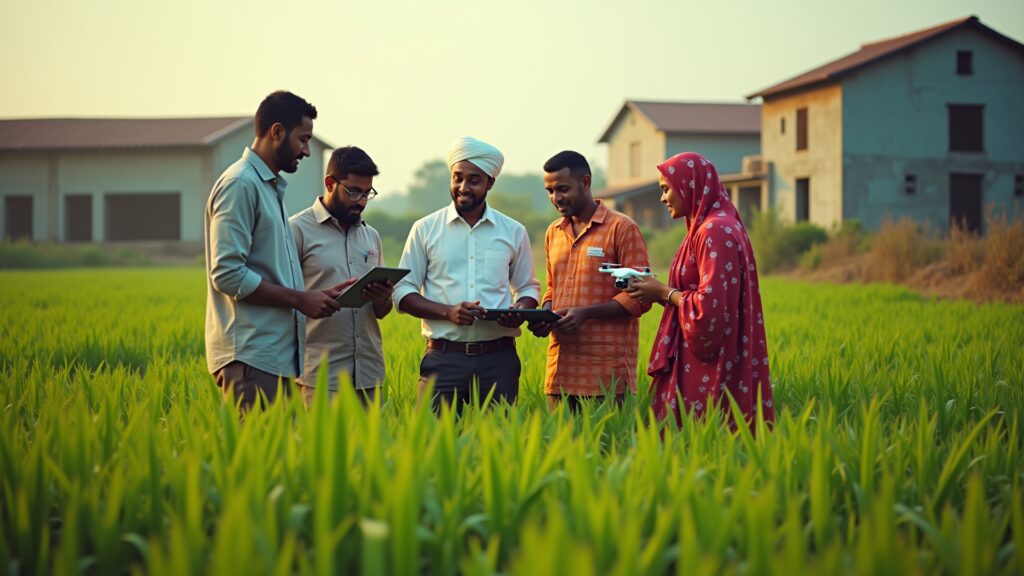
The 8% rise in India’s sugar production stems from a combination of favorable monsoon patterns, improved cane yields, and expanded acreage driven by competitive pricing for farmers. Enhanced agritech adoption—ranging from precision agriculture and better seed varieties to mechanized harvesting—is amplifying productivity. Simultaneously, government policies supporting buffer stocks and incentivizing ethanol production from sugarcane have encouraged millers to boost processing capacity.
Key Business and Market Implications for the Sugar Sector
This production surge creates a set of critical implications that you must navigate strategically:
- Price Volatility: Increased supply may exert downward pressure on sugar prices, challenging profit margins if demand doesn’t keep pace.
- Supply Chain Optimization: Greater volumes require more robust logistics, storage, and inventory management to mitigate spoilage and maximize turnaround.
- Export Opportunities: Surplus production can enhance India’s global market share if export policies and international demand align.
- Investment in Processing and Value Addition: To sustain profitability, you should consider investing in technology that upgrades sugar into ethanol and other bio-products, improving revenue diversification.
Strategic Analysis: Deepening Your Edge in the Sugar Agribusiness
“In agriculture, timing is rarely just operational — it is strategic.” This surge invites you to rethink your position in the sugar value chain. Consider leveraging digital agronomy platforms to predict and respond to yield variability. Establishing stronger partnerships with farmers ensures quality cane supply and shared risk mitigation. Furthermore, integrating sustainability by adopting water-efficient practices aligns your business with emerging regulatory frameworks and investor expectations.
Indian sugar agribusiness is at a technological crossroads where innovations like IoT-enabled crop monitoring, blockchain for supply chain transparency, and AI-driven market analytics can redefine competitiveness. You must weigh the benefits of these technologies not only to boost production but also to enhance traceability and quality assurance, key differentiators in export markets.
Practical Takeaways for Agribusiness Leadership
- Monitor government policy shifts closely — ethanol mandates and export incentives will shape market dynamics.
- Invest in supply chain resilience to handle fluctuating production volumes and quality demands.
- Explore sustainable farming partnerships to secure consistent, high-quality cane supply while reducing environmental footprint.
- Leverage agritech and data analytics for predictive crop management and market trend analysis.
- Position your business for value addition beyond raw sugar—ethanol, bioenergy, and specialty sweeteners offer new profit pools.
Expert Perspectives to Guide Your Strategy
“The real opportunity is not in reacting late, but in understanding where the market is moving next.”
“When policy, technology, and farm economics align, growth becomes more scalable.”
“Supply chain robustness is no longer support—it is a strategic pillar in your sugar business.”
Risks and Challenges to Consider
Despite the positive production data, several risks remain. Weather variability continues to threaten yield consistency. Price pressures from oversupply could affect farmer incomes, potentially disrupting cane supply. You should also remain vigilant about fluctuating global sugar prices influenced by competing producers like Brazil and Thailand. Additionally, policy changes—particularly around export tariffs and ethanol blending targets—could swiftly alter operating environments.
What to Watch Next in India’s Sugar Sector
Keep a close eye on the following factors as they will shape your strategic choices:
- Government announcements on ethanol blending obligations and export subsidy frameworks.
- Monsoon forecasts affecting cane crop acreage and health.
- Technological adoption rates within sugarcane farming and processing units.
- Emerging sustainability regulations linked to water use and carbon emissions for sugar mills.
- Global sugar market trends, including demand shifts from major importing countries.
Conclusion: Leveraging India’s Sugar Production Increase for Agribusiness Success
Your position in the sugar agribusiness ecosystem is being redefined as India’s sugar production grows by 8%. This development offers you a strategic inflection point to innovate, optimize supply chains, and diversify revenue streams through value-added products and sustainability initiatives. By proactively integrating policy insights, market intelligence, and cutting-edge agritech, you can transform this production surge from a mere statistic into a compelling growth lever for your enterprise.
Understanding India sugar production increase not only helps you navigate immediate market changes but also empowers you to anticipate and lead the next phase of growth in the sugar industry. It’s time to turn this momentum into strategic advantage—because in agribusiness, foresight is your most valuable asset.