













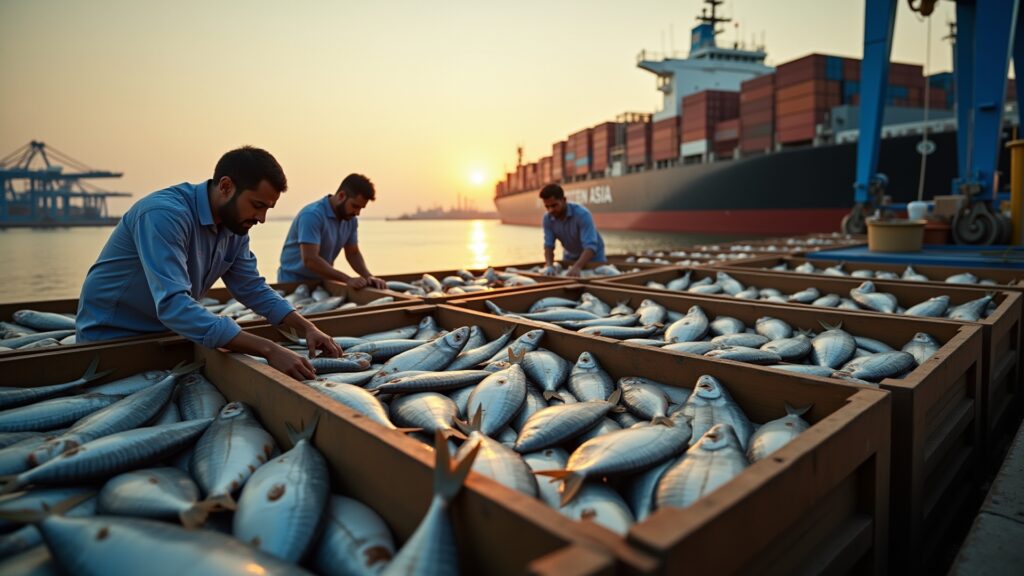
As a leader in agribusiness or agritech innovation, you cannot ignore the escalating impact of geopolitical tensions in West Asia on your seafood export operations. The recent conflicts have triggered significant disturbances in India’s seafood exports, especially to the Gulf region — a critical market for your products. Navigating these disruptions will require not only strategic foresight but also a robust understanding of supply chain vulnerabilities and innovative logistics solutions.
Why This Matters to You
Your seafood export business hinges on stable market access and reliable supply chains. The Gulf states represent a lucrative market segment with rising demand for Indian seafood, contributing substantially to your revenue streams. When conflicts in West Asia ripple through these trade routes, the consequences extend beyond immediate shipment delays — they force you to rethink your risk management strategies, reconsider market dependencies, and recalibrate your operational agility for sustainable growth.
The Current Geopolitical Impact on India’s Seafood Exports
The escalation of conflict in West Asia has injected unprecedented uncertainty into India’s seafood export supply chains. Key Gulf economies, which serve as primary destinations, are facing disruptions in transportation and customs clearance. Interruptions at major ports and logistical choke points are delaying shipments and inflating costs. Additionally, the volatile geopolitical climate has increased freight insurance premiums, compelling you to reassess your budgeting and pricing structures.
Key Business and Market Implications
From a commercial perspective, the vulnerability of India’s seafood exports accentuates critical supply chain risks. You face heightened financial exposure due to unpredictable market access and increased operational expenses. These challenges threaten not just volume but profitability, pressuring your margins amid competitive global seafood markets. At a policy level, these developments may prompt calls for enhanced trade facilitation and diplomatic engagement to safeguard agri-export interests.
Deeper Strategic Insights for Agribusiness Leaders
This disruption underscores the indispensable need for diversification in your market outreach. Reliance on a singular regional market exposes you to geopolitical hazards; expanding to emerging markets or reinforcing domestic value chains can mitigate such risks. Moreover, integrating technology-driven supply chain analytics and blockchain for traceability can enhance your operational resilience and transparency.
Supply chain innovation is not merely an operational luxury but a strategic imperative. Streamlining your cold chain logistics, leveraging multimodal transportation, and investing in real-time monitoring solutions can reduce delays and improve customer satisfaction. These measures serve as both defensive mechanisms and enablers of long-term competitive advantage.
Practical Takeaways for Your Seafood Export Strategy
- Conduct a comprehensive risk audit focusing on geopolitical variables affecting Gulf trade routes.
- Diversify your export portfolio to include alternative international markets less impacted by West Asia tensions.
- Invest in advanced logistics technologies that enhance transparency, forecasting, and traceability.
- Engage proactively with policymakers and trade associations to advocate for protective trade policies and infrastructural upgrades.
- Reevaluate pricing models to absorb increased freight and insurance costs without eroding your competitiveness.
Expert Reflections
“In agriculture, timing is rarely just operational — it is strategic.”
“The real opportunity is not in reacting late, but in understanding where the market is moving next.”
“When policy, technology, and farm economics align, growth becomes more scalable.”
Risks and Challenges to Anticipate
You must remain vigilant against prolonged geopolitical instability which could further constrict ports and transport corridors. Currency fluctuations affecting payment settlements, potential trade barriers, and regulatory changes in destination countries represent additional risks to monitor closely. Moreover, overreliance on reactive measures without embedding resilience could undermine your long-term global positioning.
What You Should Watch Next
Keep a close eye on regional diplomatic developments and multilateral trade negotiations involving Gulf nations and India. Monitor shifts in freight costs and alternative shipping routes emerging from logistics innovations. Stay informed on agricultural policy responses triggered by this conflict to leverage any emerging support mechanisms for exporters. Lastly, watch competitor strategies to innovate and diversify their seafood export models.
Conclusion: Navigating the Crosscurrents of Geopolitical Risk
The West Asia conflict impact on India seafood exports is a stark reminder of just how intertwined geopolitics and global agri-export supply chains have become. For you, navigating this landscape demands a proactive, multifaceted approach — blending risk management, market diversification, and logistics innovation. By doing so, you position your agribusiness not only to withstand current disruptions but also to capitalize on emerging opportunities in a complex global marketplace.