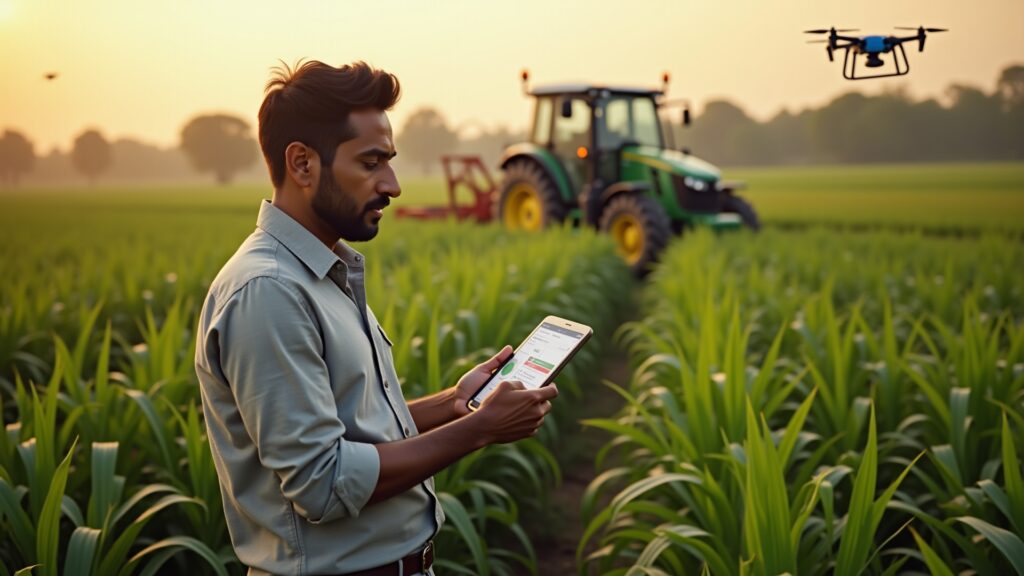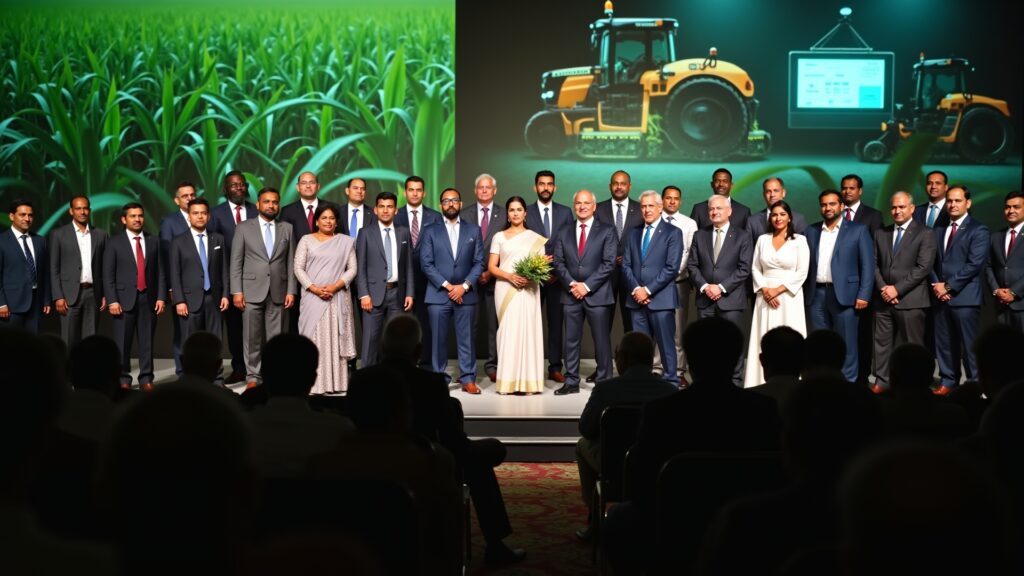
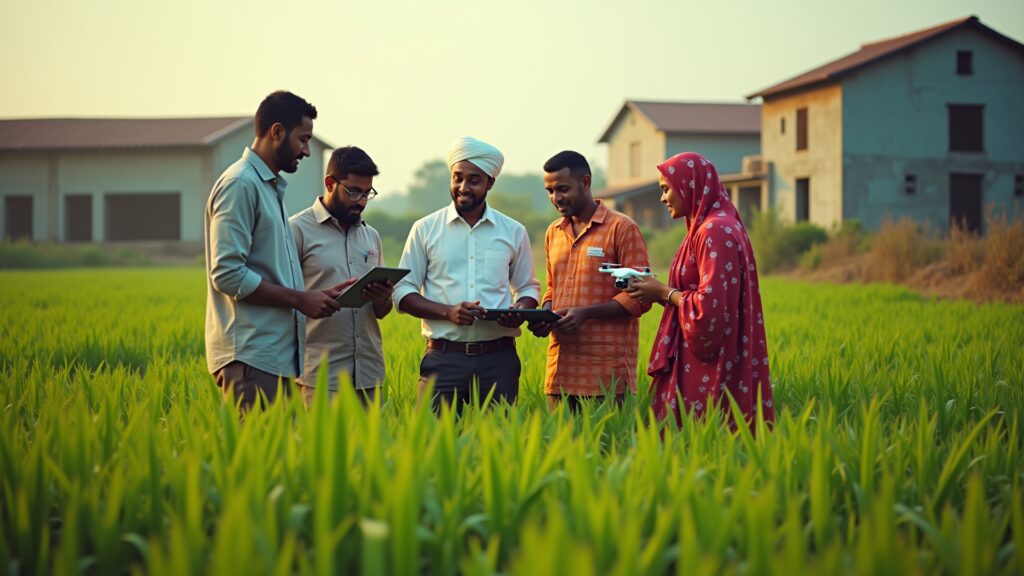










In your role as an agribusiness leader or innovator, understanding how to leverage emerging frameworks like the circular economy can transform your approach to sustainability and profitability. The recent conclusion of the 3rd cohort of the Circular Economy Incubation Programme, led by NSRCEL in partnership with the Pernod Ricard India Foundation, signals a pivotal shift—not merely in agritech startup support, but in the strategic infusion of circular economy principles into agribusiness models. This is a movement that directly influences your ability to innovate while addressing critical resource efficiency challenges.
Why This Shift to Circular Economy Incubation Matters to You
Sustainability is no longer a fringe or compliance-driven concept—it’s a strategic imperative that determines long-term business viability. You face rising pressures: fluctuating input costs, tightening regulations, growing demand for ethical and eco-friendly practices, and the urgent need to reduce waste in the supply chain. Incubation programs fostering circular economy thinking equip you with innovations designed to optimize resource loops, minimize environmental footprint, and deliver measurable business impact.
By engaging with circular economy startups emerging from such carefully curated incubators, you gain access to fresh, scalable solutions tailored to agribusiness complexities. This empowers you to refine production methods, cut costs, and open new market opportunities that prioritise resiliency and sustainability simultaneously.
What the Circular Economy Incubation Programme is Actually Doing
The 3rd cohort of this incubation initiative accelerates startups demonstrating strong potential to embed circularity into agriculture and allied sectors. NSRCEL’s role as a premier incubation hub matched with the Pernod Ricard India Foundation’s commitment to sustainability creates a potent ecosystem nurturing innovation that emphasizes:
- Resource efficiency through novel waste-to-value technologies
- Material circularity in supply chains to close loops in agri-production and processing
- Business models prioritizing reuse, recycling, and regeneration of inputs
- Solutions advancing farm profitability while reducing environmental impact
These incubated ventures aren’t just experimental—many show clear paths toward market viability and investor attraction, presenting you with validated innovation you can adopt or collaborate with.
Strategic and Market Implications for Agribusiness
This incubation model strengthens your competitive edge by accelerating the development and deployment of circular economy-driven agritech innovations. The tangible benefits relate to:
- Operational efficiency: Innovative inputs, waste reduction, and enhanced resource cycles reduce cost and improve yield consistency.
- Regulatory alignment: Staying ahead of environmental compliance trends reduces risk and positions you as a sustainability leader.
- Investment attraction: Startups emerging from such programs often attract impact investors and venture capital focused on ESG criteria, indirectly benefiting your partnerships or funding opportunities.
- Brand differentiation: Circular economy adoption strengthens your sustainability credentials in discerning global and domestic markets.
Investors and policymakers are keenly watching this evolving landscape, recognizing circularity as integral to a resilient rural economy and sustainable agri-supply chains.
Deeper Insight: Why Circular Innovation Changes The Game
“When policy, technology, and farm economics align, growth becomes more scalable.” This is especially true for circular economy incubation programs which provide more than technology—they deliver a framework for systemic change. By designing ventures that reuse waste streams and promote regenerative practices, these startups shift agriculture from linear consumption to restorative cycles.
Such innovation responds directly to sector challenges you understand well: soil degradation, resource scarcity, fluctuating commodity prices and tightening environmental regulations. Circular economy startups enable you to reimagine inputs and outputs as assets in a continuous cycle rather than cost centers.
This paradigm does not just protect your margins—it unlocks new revenue streams in bioeconomy, circular agri-products, and value-added byproducts often overlooked in traditional models.
Key Practical Takeaways for Agribusiness Leaders
- Understand: Circular economy principles are becoming a core strategy for agribusiness resilience and innovation. They are no longer optional add-ons.
- Engage with incubators like NSRCEL: They are your gateway to cutting-edge, validated circular innovations ready for practical deployment or partnership.
- Monitor policy and market signals: Demand for sustainability-linked products grows, and regulatory frameworks evolve to reward circular business practices.
- Invest strategically: Identify startups and technologies focused on regenerative inputs, waste valorization, and circular supply chains as potential collaborators or acquisition targets.
- Innovate your business models: Look beyond incremental changes; aim for systemic redesign rooted in circular economy thinking.
Expert Perspective
“In agriculture, timing is rarely just operational — it is strategic.”
“The real opportunity is not in reacting late, but in understanding where the market is moving next.”
“Sustainability and profitability are no longer mutually exclusive; circular economy startups prove they thrive together.”
Risks and Challenges to Navigate
Despite the promise, adopting circular economy innovations requires careful integration. You must consider:
- The need for sector-specific customization—circular models successful in one agribusiness context may require adaptation.
- Capital and operational shifts—transitioning to circular models may impose upfront costs and operational learning curves.
- Market acceptance—end consumers and supply chain partners might need education and incentives to adopt new circular products.
- Regulatory unpredictability—while many policies encourage circularity, inconsistent enforcement or changes can pose risks.
What to Watch Next
Track how circular economy incubators like NSRCEL scale their cohorts and how startups mature into viable businesses. Pay attention to policy reforms incentivizing circular agribusiness and emerging investment trends focused on ESG and circular innovation. Monitoring success stories and failures will guide your strategic choices.
Conclusion
The evolution of circular economy incubation programs is reshaping agribusiness innovation with sustainability and profitability combined. This shift is invaluable for you as a decision-maker looking to future-proof your operations and capitalize on the growing market demand for sustainable agriculture business models. By embracing circular principles incubated in these programs, you can lead your enterprise on a path that harmonizes economic success with environmental stewardship—ultimately defining the future of smart, resilient agribusiness.