










You are on the brink of a pivotal moment in India’s agribusiness landscape. The forecasted surge in India sugar production for the 2025-26 season to around 28 million tonnes is not just a number—it is a strategic signal for leaders like you shaping agritech innovation, supply chain optimization, and policy advocacy in the sugar industry. This production milestone opens a window of opportunity and challenges that you must navigate to secure profitability and growth in a highly competitive global marketplace.
Why This Surge in Sugar Production Matters to Your Business
Understanding India’s sugar production forecast is crucial because your decisions on investment, supply chain management, and policy engagement hinge on reliable market intelligence. With India poised to drive one of the world’s largest sugar crops, this forecast affects everything from commodity pricing, export potential, agritech deployment, to rural economic development. Ignoring the nuances behind this projection risks missing out on optimizing your value chain or capitalizing on policy windows designed to enhance farm-level profitability and sustainability.
What Is Driving the 28 Million Tonnes Production Forecast?
Several converging factors underpin this optimistic production outlook. A combination of improved agronomic practices, adoption of high-yield sugarcane varieties through agritech, supportive government policies, and heightened farm-level productivity has aligned to boost supply. Additionally, favorable weather patterns and informed crop management further consolidate this trend.
But beyond agronomy, strategic investment in processing infrastructure and logistics is enabling the industry to handle larger volumes more efficiently, positioning India as a stronger player in the global sugar market.
Key Business and Market Implications for Agribusiness Leaders
- Supply Chain Evolution: Managing a larger production volume demands innovation in supply chain logistics—from cane procurement to sugar storage and distribution. Investment in cold chains, digital tracking, and real-time demand forecasting will be critical.
- Policy Impact and Advocacy: With production growth, policy frameworks around export quotas, subsidies, and pricing will evolve. Aligning your business strategy with emerging regulatory changes should be a priority.
- Market Opportunity Expansion: Increased production opens avenues for expanding into niche markets such as organic sugar and by-products like ethanol, which can diversify revenue streams and add sustainability credentials.
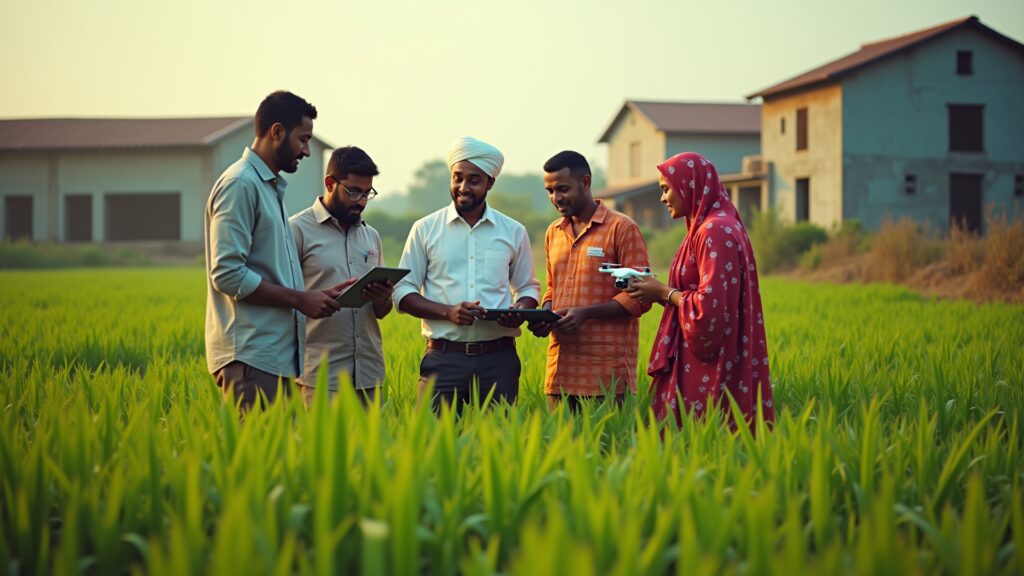
- Technology and Agritech Investment: The forecast intensifies the need for precision farming, drone-enabled monitoring, and AI-powered yield prediction—areas where you can leverage technology for competitive advantage.
Strategic Insight: Positioning Your Agribusiness for Sustainable Growth
In agriculture, timing is rarely just operational — it is strategic. The projected rise in sugar production is not only a call to scale but also a prompt to rethink your approach to sustainability, risk management, and innovation adoption. Consider integrating climate-resilient practices and circular economy models that valorize all parts of the sugarcane crop to improve margins and reduce environmental footprint.
The underlying narrative is clear: synchronizing production forecasts with supply chain agility and policy engagement is your formula for scalability and profitability in India’s sugar sector.
Practical Takeaways for Agribusiness Leaders and Investors
- Monitor: Regularly track government policy shifts impacting sugar pricing, export controls, and subsidy schemes.
- Invest: Allocate resources towards agritech solutions that increase yield predictability and operational efficiency.
- Optimize: Innovate supply chain processes to manage increased production volumes and reduce wastage.
- Diversify: Explore value-added products like ethanol and bio-based materials to enhance revenue resilience.
- Collaborate: Engage with policymakers, research institutions, and technology providers to shape favorable market conditions.
Expert Perspective
“In agriculture, timing is rarely just operational — it is strategic.”
“The real opportunity is not in reacting late, but in understanding where the market is moving next.”
“When policy, technology, and farm economics align, growth becomes more scalable.”
Risks and Challenges Ahead
Despite a promising forecast, uncertainties remain—from climate volatility impacting cane yields to fluctuating global sugar prices. Infrastructure gaps and fragmented market linkages could strain supply chains. Additionally, policy inconsistencies or delayed reforms may hinder export potential and investment confidence. Anticipating these challenges requires proactive risk management frameworks and flexible business models.
What You Should Watch Next
Keep your focus on agricultural policy reforms, particularly related to export tariffs and subsidy rationalization, as these will significantly influence profitability. Monitor technological advancements in crop management and supply chain digitization that can scale alongside production growth. Lastly, track shifts in consumer preferences towards sustainable and organic sugar products that may create premium market segments.
Conclusion: Leveraging the 2025-26 India Sugar Production Forecast for Strategic Advantage
India’s sugar production forecast for the 2025-26 season is more than a statistical forecast—it is a strategic flare highlighting where growth, innovation, and sustainability intersect. As an agribusiness leader, investor, or policy influencer, your ability to align operational capabilities with these market shifts will define your competitive edge. Embrace this trend as a catalyst to innovate supply chains, influence policy, and invest smartly in agritech solutions that elevate profitability and sustainability in India’s sugar sector.
Staying ahead means recognizing that the 28 million tonne production figure is not just about volume—it’s about transforming your approach to agriculture as a sophisticated, agile business.