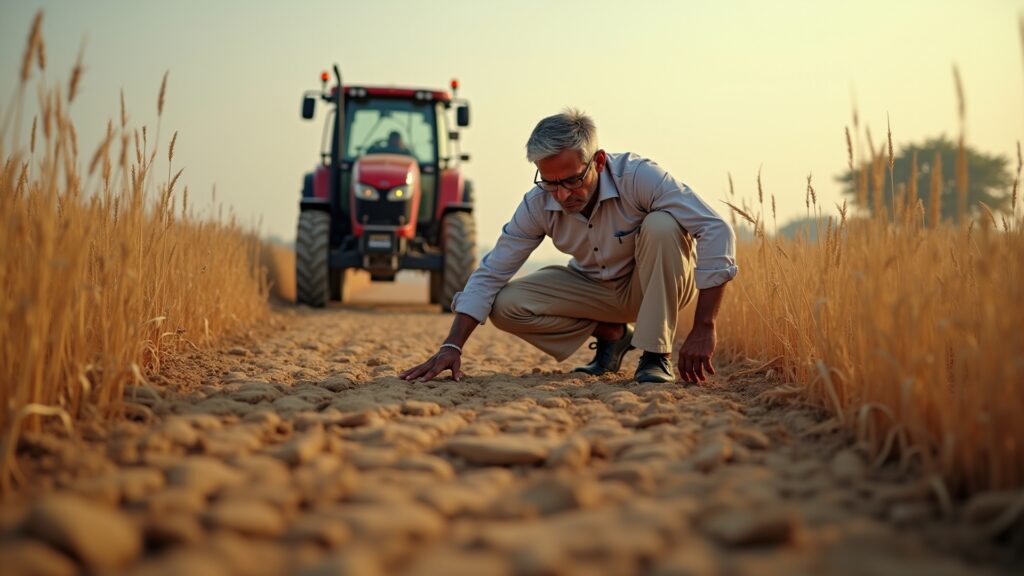












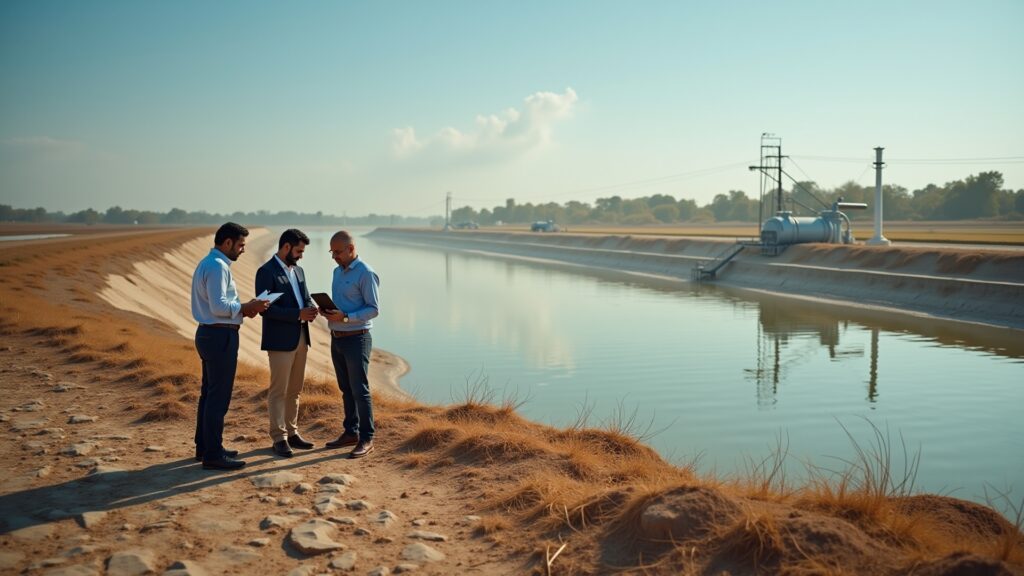
As you navigate the complexities of modern agribusiness in India, a critical resource indicator has turned a sharp corner — the country’s major reservoir storage is down to just 42.5% of capacity. This decline is not a distant or abstract concern; it directly impacts how you manage water resources, sustain crop yields, and strategize for long-term profitability and resilience in an irrigation-dependent landscape.
Why This Reservoir Storage Decline Matters to You
Water is the foundation of agricultural productivity and rural economic stability. When reservoir levels fall below optimal thresholds, your irrigation strategies, input costs, and supply chain security are immediately tested. For you, this means reconsidering every facet of water management, from sourcing to allocation and efficiency. It influences investment decisions in agritech, the feasibility of water-intensive crops, and policy advocacy priorities. Ignoring this signals heightened operational risks and missed opportunities in innovation-led water sustainability.
Understanding the Current Reservoir Storage Situation
India’s major reservoirs currently hold only 42.5% of their total storage capacity as reported recently. This level is significantly below historical norms at similar points in the agricultural calendar and reflects broader environmental and climatic pressures. The decline stems from erratic monsoon patterns, increasing evaporation rates due to rising temperatures, and growing demand from multiple sectors including urbanization and industry.
You are likely witnessing the ripple effects across irrigation scheduling disruptions, delayed crop cycles, and constrained water availability for both food and cash crops. It’s a supply chain vulnerability that can propagate price volatilities and threaten rural livelihoods.
Key Business and Agricultural Implications
- Irrigation Risk Intensifies: Reduced reservoir levels mean you must contend with lower water availability for farms, increasing production uncertainty and input costs.
- Sustainability Pressures Mount: The urgent need to adopt water-efficient technologies and sustainable agricultural practices becomes a business imperative.
- Market and Policy Impact: Water scarcity can drive shifts in crop patterns and policy measures, affecting trade flows, insurance models, and credit access.
- Rural Economic Stability: Lower water stocks endanger livelihoods in irrigation-dependent regions, influencing labor markets and consumer demand.
- Investment Focus: There’s a growing market opportunity for irrigation innovations, climate resilience solutions, and water management startups.
Strategic Insight: Navigating Your Agribusiness through Water Stress
How do you translate the reality of a 42.5% reservoir storage into strategic decisions? First, recognize that water scarcity is a reshaping force for agriculture in India. It raises the value of agritech solutions that enable precision irrigation, drought-resistant seed varieties, and real-time soil and weather monitoring. Policy changes favoring water use efficiency and resource sustainability will also shape competitive advantage.
From a supply chain perspective, you must consider risk diversification — geographic crop diversification to reduce dependency on severely affected regions, and investing in alternative water sources such as treated wastewater or rainwater harvesting.
“In agriculture, timing is rarely just operational — it is strategic.” This perspective is crucial in water management where delay or misjudgment can severely impact productivity and margins.
Practical Takeaways for Agribusiness Leaders
- Understand Your Water Dependency: Audit your crop and operational water needs against current reservoir realities.
- Monitor Reservoir and Weather Trends: Stay informed through reliable data sources for early risk detection.
- Invest in Water-Efficient Agritech: Prioritize technologies like drip irrigation, soil moisture sensors, and drought-tolerant crop variants.
- Engage in Policy Dialogue: Collaborate with policymakers to advocate for sustainable water regulations and incentives.
- Develop Contingency Plans: Prepare for supply chain disruptions with alternative sourcing and diversified cropping strategies.
- Leverage Financial Instruments: Explore insurance and credit products designed for climate and water variability risk.
Expert Perspective Highlights
“The real opportunity is not in reacting late, but in understanding where the market is moving next.”
“When policy, technology, and farm economics align, growth becomes more scalable.”
Risks and Challenges Ahead
Despite your best strategies, the ongoing reservoir storage decline presents risks you cannot ignore. Continued water scarcity could force shifts in cropping patterns that disrupt existing supply chains and commodity markets. Inadequate policy response or slow technology adoption may exacerbate vulnerabilities, especially for smallholder farmers.
You also face the challenge of balancing immediate economic pressures against long-term sustainability goals. Over-extraction of groundwater as a compensatory measure could worsen ecological stress and regulatory clampdowns.
What You Should Watch Next
- Upcoming monsoon performance and reservoir refilling rates
- Policy reforms addressing water use efficiency and agri-environmental regulations
- Emerging agritech solutions gaining traction in Indian markets
- Investment trends in climate-resilient agriculture and sustainable water infrastructure
- Market price trends influenced by irrigation and water availability risks
Conclusion: Addressing India Reservoir Storage Decline as a Strategic Imperative
The decline to 42.5% reservoir storage is more than a statistic — it’s a strategic inflection point for your agribusiness. You face rising irrigation risk and operational uncertainty, but also a terrain rich with innovation potential and policy evolution. Staying ahead demands integrating climate resilience across your water management, technological adoption, and policy engagement.
“In agriculture, timing is rarely just operational — it is strategic.” This rings especially true now. The choices you make today on water stewardship define not only your business sustainability but also India’s broader rural economic future.