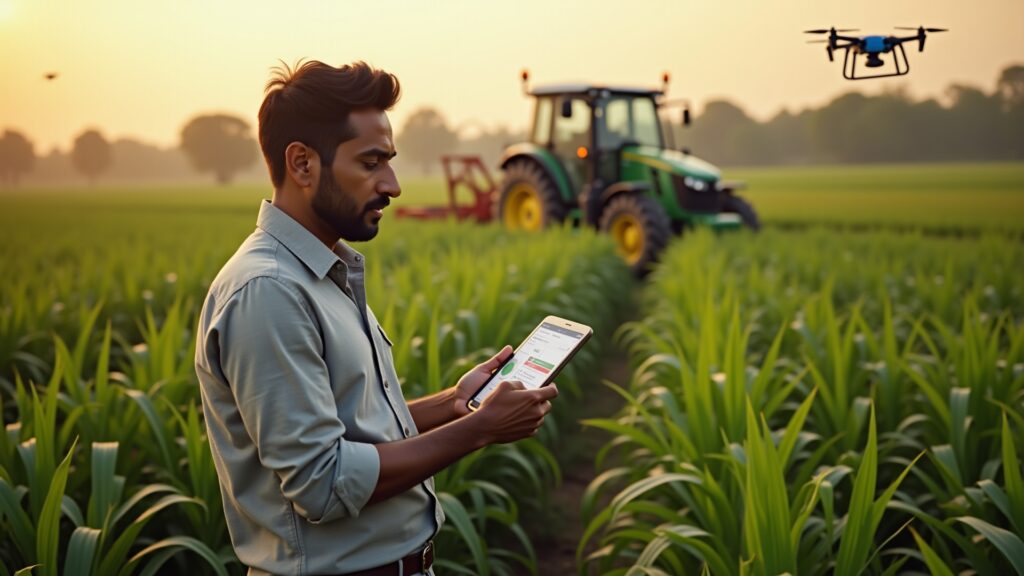













As a leader steering the future of agribusiness in India, the advent of artificial intelligence (AI) in agriculture is reshaping the landscape you must navigate. This transformation is not just technological—it directly impacts your business strategy, investment decisions, and operational models. Understanding how AI is revolutionizing India’s agricultural ecosystem equips you to capitalize on new growth avenues, enhance sustainability, and optimize profitability in an increasingly competitive global market.
Why AI in Agriculture Should Be Core to Your Strategy
The agricultural sector in India is at a critical juncture. Supply chain inefficiencies, climate variability, and fluctuating commodity prices pose constant threats to farm profitability and rural economies. AI-driven innovation is bridging these gaps by providing data-backed insights and automation that enhance productivity and market responsiveness. For you, as a CEO, policymaker, or investor, grasping the strategic implications of AI in agriculture means more than staying current—it means future-proofing your enterprise in a rapidly evolving ecosystem.
AI’s Expanding Role in India’s Agricultural Ecosystem
Artificial intelligence is no longer theoretical in Indian agriculture—it is practical and impactful. Agritech startups leveraging AI are transforming farm management through precision farming technologies, predictive analytics, and automated monitoring systems. AI algorithms optimize irrigation, pest control, and fertilizer application, leading to improved crop yields and resource efficiency. Beyond the farm, AI enhances rural market dynamics by streamlining supply chains, reducing post-harvest losses, and enabling real-time price discovery for farmers and traders.
These advancements create tangible business advantages, from cost savings to improved risk management and market access. Moreover, AI facilitates sustainability by promoting smarter resource use and lowering environmental footprints—imperatives for long-term viability as sustainability regulations tighten globally.
Key Implications for Agribusiness, Markets, and Policy
For your agribusiness, AI means the opportunity to integrate cutting-edge technology into your core operations and value chain. It fuels agritech innovation, supporting startups that deliver new solutions you can incorporate or partner with. Within markets, AI-driven insights enable better anticipation of demand fluctuations and price trends, allowing for more agile strategic decisions.
On the policy front, AI’s rise urges a rethinking of agricultural frameworks to support digital infrastructure, data-sharing norms, and access to AI tools—especially in rural regions. As a policymaker or stakeholder, your role in fostering a conducive ecosystem for AI adoption will determine the pace and equity of agricultural transformation.
Strategic Insights: Positioning Your Agribusiness in the AI Era
The real challenge is integrating AI technologies without disrupting existing operations and relationships in the rural economy. Focus on phased adoption—start with pilot projects that demonstrate ROI, such as AI-powered crop monitoring or supply chain analytics. Collaborate with agritech innovators and rural stakeholders to co-create solutions tailored to local conditions and scale them efficiently.
Invest in building internal capabilities for data management and interpretation, and prioritize digital literacy development among your workforce and farmer partners. This dual approach ensures you harness AI-driven insights effectively and gain a competitive edge in farm profitability and market positioning.
Practical Takeaways for Agribusiness Leaders and Investors
- Understand the strategic role of AI in enhancing farm productivity and sustainability.
- Monitor emerging AI-driven agritech startups and evaluate partnership or investment opportunities.
- Invest in digital infrastructure within your supply chain to leverage AI analytics for demand forecasting and inventory optimization.
- Support digital literacy initiatives among farmers to enable effective adoption of AI tools.
- Engage with policymakers to advocate for frameworks that facilitate AI integration in rural markets.
- Ensure a phased and measurable AI adoption strategy to manage operational risks and demonstrate business impact.
Reflecting on AI’s Strategic Value in Indian Agriculture
“In agriculture, timing is rarely just operational — it is strategic.”
“The real opportunity is not in reacting late, but in understanding where the market is moving next.”
“When policy, technology, and farm economics align, growth becomes more scalable.”
Risks and Challenges You Shouldn’t Overlook
While AI offers immense potential, be mindful of barriers like uneven digital access in rural areas, data privacy concerns, and the complexity of integrating AI within traditional farming practices. Overreliance on AI without sufficient human and contextual oversight can lead to operational pitfalls. It’s critical to strike a balance between technology and on-ground realities, ensuring inclusive growth that uplifts smallholder farmers alongside large agribusinesses.
What to Watch Next in AI-Enabled Agriculture
Keep an eye on policy reforms that enhance rural connectivity and data governance. Watch for innovations in AI-powered supply chain traceability, sustainability metrics, and climate-smart agriculture solutions. These emerging trends will redefine competitive advantage and investment worthiness in India’s agricultural market.
Conclusion: Seizing AI-Driven Opportunities to Lead India’s Agricultural Transformation
The AI revolution in India’s agricultural ecosystem is more than a technological upgrade — it represents a profound shift in how agribusinesses operate, innovate, and grow. By embracing AI-enabled farm management, sustainable practices, and data-driven market strategies, you position yourself at the forefront of a new era that promises to elevate farm profitability, strengthen rural economies, and unlock substantial investment opportunities. Staying informed, strategic, and proactive in AI adoption will determine your leadership success in this transformative journey.