
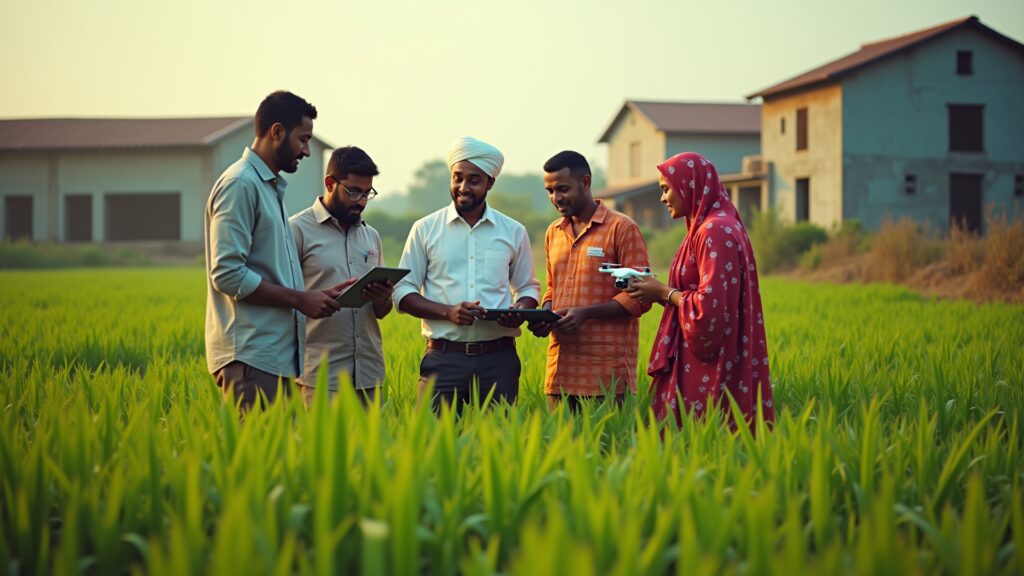












As an agribusiness leader, investor, or policymaker deeply engaged in India’s agricultural landscape, you understand the multifaceted challenges shaping farm productivity and rural economies. Yet, an often-overlooked factor demands your strategic attention: farmer health. Prioritizing the well-being of those at the heart of India’s agriculture is not just a humanitarian concern—it is a critical capital asset that will define the future trajectory of agricultural growth, sustainability, and economic resilience.
Why Farmer Health Matters to Your Agricultural Strategy
Your decisions ripple across the agricultural value chain, and the vitality of farmers directly impacts your outcomes—from yield quality and supply chain stability to investment returns and policy effectiveness. Healthy farmers are more productive, innovative, and resilient, forming the backbone of a sustainable rural economy. Ignoring this dimension risks compromising your business growth, escalating costs, and destabilizing the agricultural ecosystem on which you depend.
Current Dynamics in India’s Agricultural Growth Model
India’s agricultural sector stands at a pivotal crossroads. Traditional growth models have emphasized land, input optimization, and market access, often sidelining human capital in the farm equation. However, emerging analyses underscore how farmer morbidity, chronic illness, and stress diminish labor efficiency and farm practices. This not only constrains output but disrupts supply chains and inflates operational risks.
With agritech innovation accelerating and agri finance evolving, integrating farmer health into the growth model is increasingly feasible and strategic. Progressive policies and rural development programs reflect this shift, but scaling it demands a concerted pivot from leadership and investment communities.
Business and Policy Implications for You
Integrating farmer health into your agribusiness strategy opens new pathways to enhance farm productivity, mitigate supply chain vulnerabilities, and build sustainable competitive advantages. Consider how health-related labor losses translate into tangible costs and risks that affect your bottom line. Policy reforms aimed at rural healthcare accessibility and agritech interventions targeting well-being are reshaping the market landscape.
For investors, recognizing farmer health as capital aligns with long-term value creation in farm finance and agri infrastructure. For policymakers, it means crafting incentives and programs that bind agricultural productivity with rural wellness metrics, fostering inclusive growth that withstands socio-economic shocks.
Strategic Insights to Elevate Your Approach
“In agriculture, timing is rarely just operational — it is strategic.”
Embedding farmer health metrics into your data analytics and decision frameworks enhances precision in forecasting farm output and managing risk. Embracing holistic agritech solutions that monitor and support farmer well-being can transform labor productivity and sustainability outcomes.
Collaborations between health services, agritech startups, and financial providers will become critical nodes in future agricultural ecosystems, requiring you to reassess partnerships and investment priorities.
Practical Takeaways for Agribusiness Leaders and Investors
- Understand the direct correlation between farmer health and farm productivity, and integrate this into your operational KPIs.
- Monitor innovations in agritech that offer health diagnostics, telemedicine, and wellness support tailored for farmers.
- Advocate for or align with policies that enhance rural health infrastructure as a foundation for agricultural growth.
- Incorporate farmer well-being into your risk assessment and financial modeling to foresee and mitigate disruptions.
- Invest in capacity-building programs that elevate farmer health literacy and access to healthcare services.
“The real opportunity is not in reacting late, but in understanding where the market is moving next.”
Risks and Challenges Ahead
The path to elevating farmer health within India’s growth model is not without hurdles. Infrastructure deficits, uneven healthcare access, and socio-economic disparities present significant obstacles. Additionally, data privacy and digital literacy gaps among farming communities pose challenges to effective agritech adoption.
Misalignment between short-term business pressures and long-term health investments could impede progress. You must navigate these complexities with strategic patience and forward-looking collaboration.
What to Watch Next in Agribusiness and Policy
Stay alert to policy announcements that integrate health and agricultural extension services. Emerging rural health financing models tied to agricultural credit and insurance products may redefine your risk frameworks and business models.
Watch for agritech startups forging new ground in farmer health monitoring and personalized wellness solutions. These innovations will be key drivers of competitive advantage in your agri portfolio.
Conclusion: Elevate Farmer Health as Your Growth Capital
Embedding farmer health at the core of your agricultural growth strategy is more than a developmental imperative—it is a strategic business decision. As India’s agriculture readies to scale new heights, your leadership in recognizing and investing in this capital will position your enterprise, investments, and policy initiatives not only for higher farm productivity but for sustainable and inclusive economic resilience.
“When policy, technology, and farm economics align, growth becomes more scalable.”
For you, the path forward lies in rethinking farmer health not as a cost center but as a vital asset driving India’s agricultural future.