




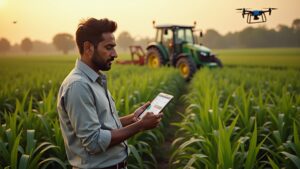







You can revolutionize your farming practices with precision agriculture, a cutting-edge approach that integrates technology and data analysis to optimize every aspect of crop production. By utilizing satellite imagery, sensors, and advanced analytics, you can gain deeper insights into soil health, weather patterns, and crop performance. This transformative technique not only enhances yields but also promotes sustainability and resource efficiency. Embracing these innovations will empower you to make informed decisions, ensuring your farming business thrives in a competitive landscape.
Key Takeaways:
- Precision agriculture leverages technology, such as GPS and sensors, to optimize crop yields and resource management.
- Data collection and analysis from soil conditions to satellite imagery enhance decision-making processes for farmers.
- Adoption of precision tools leads to increased efficiency, reduced waste, and improved sustainability in farming practices.
The Evolution of Agricultural Practices
Agricultural practices have undergone significant changes throughout history, adapting to various economic, environmental, and technological pressures. Each era introduced new techniques and methods, shaping the relationship between humans and the land. Early agriculture relied heavily on manual labor, while modern approaches emphasize efficiency, productivity, and sustainability, driven by innovations that address the increasing demands for food and resources in a growing global population.
Traditional Farming Techniques
Traditionally, farming involved labor-intensive methods such as plowing by animal power, crop rotation, and seed saving. Farmers relied on observational skills and trial-and-error practices that were passed down through generations. These techniques focused on local climate conditions and soil types, allowing you to cultivate crops that thrived in specific environments. However, these practices often resulted in less predictability and efficiency, limiting overall productivity.
The Rise of Technology in Agriculture
Your farming practices are dramatically evolving due to advances in technology, which have introduced tools such as GPS, drones, and data analytics. These innovations enable you to make informed decisions based on real-time data, optimizing planting schedules, irrigation, and pest management. For instance, precision irrigation systems can reduce water usage by up to 50%, while satellite imagery helps assess crop health on a large scale. This shift not only enhances productivity but also promotes sustainability in resource use, allowing you to grow more with less impact.
Technological advancements are reshaping agricultural landscapes in unprecedented ways. You have access to various tools and platforms that monitor weather patterns, soil moisture, and pest populations. For example, using drones for aerial surveys, you can identify areas requiring immediate attention, significantly reducing wastage of inputs like fertilizers and pesticides. Moreover, data analytics can predict yield outcomes based on specific variables, empowering you to make proactive management choices. By adopting these technologies, your farming business can achieve greater sustainability and profitability while contributing to food security on a global scale.
Understanding Precision Agriculture
Embracing an innovative approach, precision agriculture integrates technology into farming practices to enhance productivity and efficiency. It utilizes data-driven insights from tools like GPS, drones, and soil sensors to make informed decisions that maximize crop yields while minimizing environmental impact and resource waste.
Definition and Key Concepts
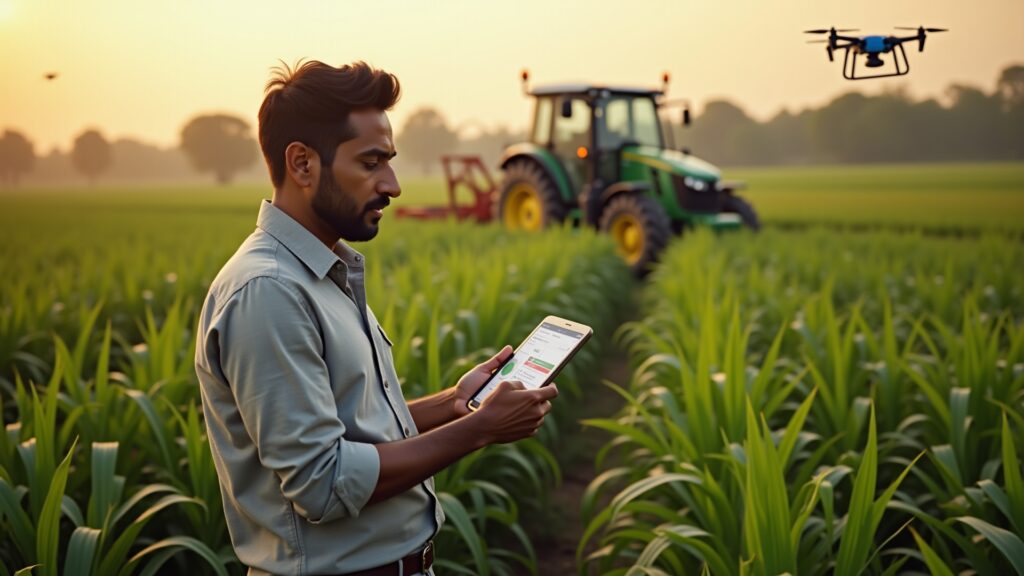
Precision agriculture refers to the management of field variability in crops by utilizing information technology. Key concepts include data collection, analysis, and site-specific crop management, where you can tailor your farming practices based on real-time data, enabling targeted interventions that cater specifically to the needs of each area in your field.
Benefits of Precision Agriculture
This advanced farming approach offers numerous benefits, such as increased crop yields, reduced input costs, and enhanced sustainability. By accurately allocating resources like water, fertilizers, and pesticides, you can ensure they are applied only where and when needed, leading to better environmental stewardship while improving your bottom line.
Furthermore, precision agriculture can significantly improve operational efficiency, often resulting in yield increases of 10-15% or more. For instance, by employing variable rate technology (VRT), you can apply fertilizers based on soil nutrient levels, lowering costs and enhancing plant growth. Additionally, it minimizes waste and reduces the ecological impact of farming practices, aligning your operations with sustainable development goals. This data-driven approach not only enhances crop health but also empowers you to make strategic decisions that can lead to long-term profitability and resource conservation.
Soil Health and Management
Your understanding of soil health is foundational to optimizing crop yields. Healthy soil supports robust plant growth, while poor soil management can lead to decreased productivity and sustainability challenges. The integration of modern technologies into soil management practices enables you to monitor soil health more effectively, leading to improved decision-making and resource allocation.
Soil Sampling and Analysis
Soil sampling and analysis is crucial for accurately assessing soil health. You should periodically collect soil samples from different areas of your fields to gauge nutrient levels, pH, and organic matter content. Utilizing precise sampling techniques allows you to generate a more representative picture of soil conditions, guiding your management practices effectively.
Nutrient Management Strategies
Nutrient management strategies are vital for maintaining soil fertility and enhancing crop performance. By implementing practices like soil testing and precision application of fertilizers, you can ensure that your crops receive the nutrients they need at the right time and in the right amounts. This targeted approach not only boosts yields but also minimizes environmental impact and input costs.
Nutrient management requires a thorough understanding of your soil’s current nutrient status and the specific needs of your crops. Analyzing soil test results allows you to tailor your fertilization practices accordingly, taking advantage of advanced technologies like variable rate application systems. For instance, if your soil test indicates phosphorus deficiency in one section of your field, applying fertilizers at a higher rate in that area while reducing application in nutrient-rich zones optimizes resource efficiency and crop uptake. This precise method minimizes runoff and leverages nutrients effectively, ensuring your farming practices are both productive and sustainable.
Crop Monitoring and Management
Effective crop monitoring and management enhances productivity and sustainability in farming. By integrating advanced technologies, you can gain insights into crop health, soil conditions, and weather patterns, allowing you to make informed decisions for optimal yield. With the right tools, your ability to manage resources efficiently increases, reducing waste and maximizing outputs in your fields.
Use of Drones and Satellites
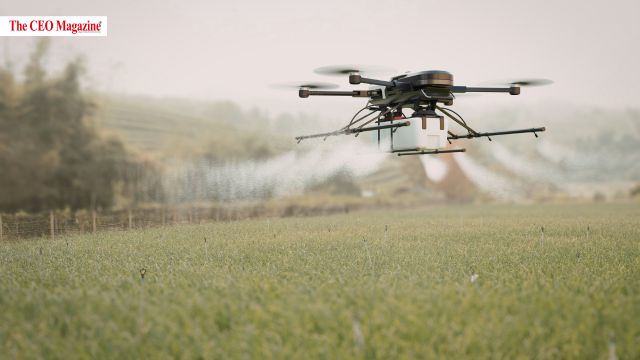
Drones and satellites serve as vital tools for real-time monitoring of crops. Utilizing high-resolution imagery, you can assess plant health, identify pests, and evaluate irrigation needs without stepping into the fields. This aerial perspective allows for timely interventions that improve overall crop performance, making your management practices more effective.
Data Analytics in Crop Management
Data analytics empowers you to harness vast amounts of agricultural data to drive informed decisions in crop management. By analyzing variables such as weather patterns, soil health, and crop performance data, you can develop tailored strategies that optimize your inputs and outputs. This not only enhances productivity but also encourages sustainable practices across your operation.
Employing data analytics can transform your farming approach. For instance, using predictive analytics allows you to forecast pest outbreaks or disease developments based on past trends, enabling you to act proactively rather than reactively. Additionally, precision ag software can help you pinpoint which areas of your fields are underperforming, guiding you in resource allocation and management efforts. Ultimately, making data-driven decisions can enhance efficiency and profitability, ensuring your farm remains competitive in a rapidly evolving industry.
Economic Impact of Precision Agriculture
Precision agriculture significantly enhances the economic landscape of farming by optimizing resource use and increasing productivity. By utilizing data-driven insights, you can maximize yields while minimizing waste, ultimately leading to improved profit margins. Studies indicate that farms adopting these technologies can see revenue increases of 15-20%, positioning them for greater competitiveness in the agricultural market.
Cost Savings and Efficiency
With precision agriculture, you immediately benefit from reduced input costs and increased operational efficiency. Technologies such as variable rate application allow you to apply fertilizers and pesticides only where needed, decreasing material usage and cutting expenditures. As a result, farmers report savings of up to 30% on inputs, translating directly to higher net income.
Market Trends and Opportunities
The agricultural sector is witnessing a surge in demand for precision farming technologies as consumer preferences shift toward sustainably sourced food. You can capitalize on this trend by investing in smart farming solutions, which are expected to grow at a CAGR of around 12% over the next five years. Companies integrating AI and IoT with traditional farming practices are likely to lead the market, presenting opportunities for innovation and increased revenue streams.
As agricultural practices evolve, market trends indicate a strong push toward sustainability and efficiency. Consumers are seeking transparency in food sourcing, prompting farmers to adopt precision agriculture to demonstrate responsible practices. Innovations like drone technology for crop monitoring and AI analytics for predictive modeling are not only streamlining operations but also attracting investment. By embracing these advancements, you position your farm to meet consumer demands while tapping into a growing market that prioritizes sustainability. The expansion of digital platforms also connects you directly with consumers, enhancing market access and creating avenues for premium pricing on sustainably produced goods.
Future Trends in Precision Agriculture
The landscape of agriculture is set to evolve dramatically with emerging technologies. Innovations driven by artificial intelligence, machine learning, and blockchain will refine data analysis, enhance predictive capabilities, and improve supply chain transparency. These advancements foster smarter decision-making, ensuring that farmers can respond dynamically to changing environmental conditions and market demands.
Innovations on the Horizon
You can expect the rise of autonomous farming equipment equipped with advanced sensors and AI-driven analytics. Drones will become even more critical, offering precise mapping and targeted interventions for pest management and irrigation. Furthermore, integration of IoT devices will enable real-time monitoring of soil health and crop growth, paving the way for fully automated farming systems.
Sustainability and Environmental Considerations
The future of precision agriculture focuses on minimizing environmental impact while maximizing efficiency. Technologies that enhance resource management, such as water conservation systems and eco-friendly pesticides, will play a significant role in sustainable farming practices. You’ll soon see a blend of technological advancements that promote biodiversity and reduce carbon footprints.
Sustainable practices are not just beneficial for the environment; they directly influence your profitability and marketability. By adopting precision agriculture tools that monitor inputs and outputs, you can significantly reduce waste, optimize fertilizer use, and enhance soil health. For instance, systems like variable rate technology enable you to apply inputs only where needed, cutting costs while fostering healthier ecosystems. As consumers increasingly demand eco-friendly products, aligning your farming methods with sustainability will give you a competitive edge. With public policy incentives pushing for greener practices, the economic benefits of sustainability in agriculture are likely to grow, making it vital for your long-term success.
Final Words
With this in mind, you can leverage precision agriculture to enhance your farming practices, optimize resource use, and ultimately increase productivity. By integrating technologies from soil analysis to satellite imagery, you empower yourself to make data-driven decisions that elevate your business. The shift towards precision agriculture isn’t just about technology; it’s about your capability to sustainably manage resources while meeting the demands of an ever-evolving market. Adopting these practices will not only improve your yields but also position you as a leader in the modern agricultural landscape.
FAQ
Q: What technologies are vital in precision agriculture?
A: Technologies such as GPS, remote sensing, drones, and IoT devices play a significant role. GPS allows farmers to pinpoint specific locations in their fields for more accurate planting and harvesting. Remote sensing and drones provide aerial imagery, enabling monitoring of crop health and soil conditions. IoT devices collect real-time data on environmental factors, facilitating informed decision-making.
Q: How does precision agriculture improve sustainability?
A: Precision agriculture enhances sustainability by optimizing resource use, reducing waste, and minimizing environmental impact. By utilizing data analytics, farmers can apply fertilizers and pesticides more effectively, ensuring that only the necessary amount is used. This reduces runoff into nearby water bodies and promotes healthier ecosystems.
Q: What are the economic benefits of adopting precision agriculture?
A: The economic benefits include increased crop yields, reduced operational costs, and improved resource efficiency. By accurately assessing crop needs and managing resources, farmers can enhance productivity, leading to higher profits. Additionally, reduced input costs for fertilizers and water contribute to overall financial savings for the farming business.