










As a leader or stakeholder in agribusiness, you understand that sustainability is no longer just a buzzword—it is a decisive factor shaping global agri markets and supply chains. The emerging partnership between the Netherlands and the Indian spice industry offers you a window into how strategic international collaboration can drive sustainable agriculture while creating new commercial and innovation opportunities. This alliance is set to reshape how you view spice production, supply chain resilience, and market expansion in the context of sustainability.
Why This Partnership Matters to You
Your business decisions in the spice sector—or broader agribusiness—hinge on evolving market demands and regulatory pressures for sustainability. India is a dominant global player in spices, and the Netherlands’ expertise in supply chain innovation and sustainable agricultural technologies makes this partnership uniquely positioned to transform the industry. This is your opportunity to tap insights from a cross-border collaboration model that could enhance your farm profitability, mitigate risks, and future-proof your export strategies.
What Is Happening in This Agribusiness Collaboration
The Netherlands and Indian spice industry have joined forces to promote sustainability across the spice value chain. This initiative focuses on three core objectives: boosting sustainable production methods, enhancing supply chain resilience through innovation, and creating new sustainable business opportunities in the global spice market.
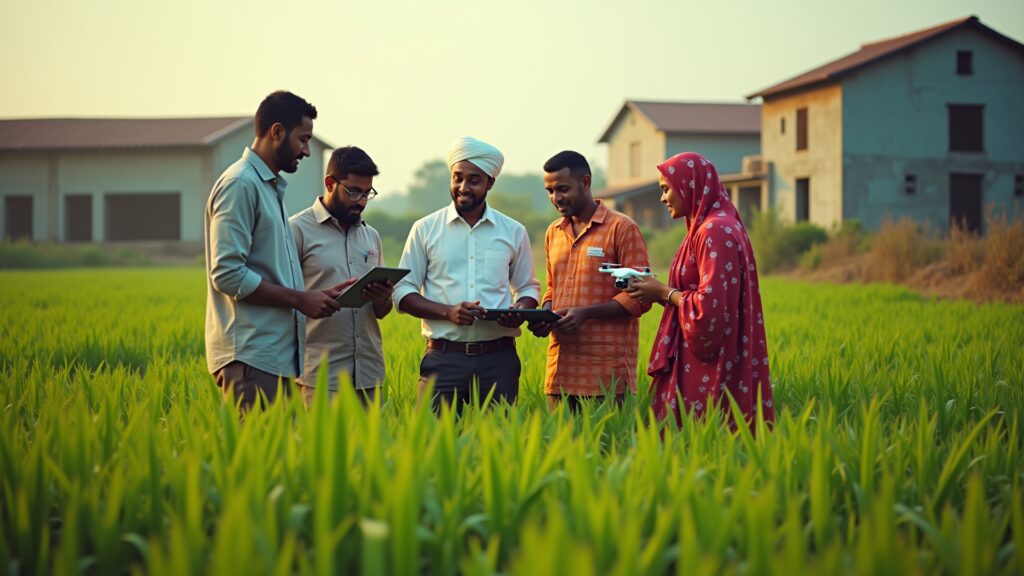
- Sustainable Production: Integrating cutting-edge Dutch agritech solutions such as precision farming, soil health monitoring, and eco-friendly pest management with India’s rich agronomic expertise aims to elevate sustainable cultivation practices.
- Supply Chain Innovation: Leveraging the Netherlands’ advanced logistics and trade facilitation infrastructure helps improve traceability, reduce carbon footprints, and optimize spice export pathways.
- Market Opportunities: The collaboration is designed to open new green market segments and premium sustainable spice exports, aligning with rising consumer expectations worldwide.
Key Business and Market Impact
This partnership isn’t just about sustainability ideals—it offers you tangible business benefits. By adopting joint agribusiness sustainability strategies, you can expect improved farm-level efficiencies and reduced input costs. Supply chain innovations reduce wastage and increase transparency, strengthening your position in international markets prioritizing eco-friendly products.
From a policy standpoint, this collaboration might influence future trade frameworks between India and the EU, easing regulatory hurdles for sustainable spice exports. For investors and agribusiness founders, this opens avenues to fund and develop new technologies and green ventures aligned with these sustainability goals.
Strategic Analysis: Why Cross-Border Innovation Defines Sustainable Agribusiness Leadership
What you learn from the Netherlands-India partnership is that sustainability demands systemic change and global cooperation. Dutch expertise in agritech and supply chain efficiencies complements India’s traditional knowledge and production scale. This synergy enables innovative agribusiness models that blend technology, policy alignment, and market intelligence.
For your agribusiness, this partnership exemplifies the necessity to embed sustainability not only as a compliance tool but as a driver of profitability and competitive advantage. Leveraging international collaboration can fast-track your access to advanced technologies and premium markets.
“In agriculture, timing is rarely just operational — it is strategic.”
“The real opportunity is not in reacting late, but in understanding where the market is moving next.”
Practical Takeaways for Agribusiness Leaders and Investors
- Understand: Prioritize sustainable agriculture partnerships as strategic assets to enhance your production and market positioning.
- Monitor: Follow developing trade policies and export guidelines related to sustainable spice production and supply chains.
- Act: Invest in technology adoption that supports eco-friendly practices and supply chain transparency.
- Collaborate: Explore cross-border innovation partnerships to gain first-mover advantages in sustainable agribusiness models.
- Position: Prepare your offerings for premium markets demanding verified sustainability credentials.
Expert Perspective
Collaboration like this offers a roadmap for industry-wide transformation. As more agribusiness entities embrace such strategic alliances, the future of the spice industry’s sustainability will depend on scaling innovation across borders and value chains.
“When policy, technology, and farm economics align, growth becomes more scalable.”
Risks and Challenges to Consider
Despite promising prospects, integrating agritech and sustainability standards across different regulatory environments is complex. Differences in farmer readiness, infrastructure gaps, and financial access remain challenges. You must be vigilant about implementation hurdles and potential delays in realizing supply chain efficiencies.
Moreover, market acceptance for premium sustainable spices requires sustained consumer education and certification rigor. Any misalignment can impair trust and commercial success.
What You Should Watch Next
Keep a close eye on policy reforms facilitating India-EU trade in agricultural commodities, emerging agritech solutions piloted under this partnership, and new market segments focused on ethical sourcing and carbon-neutral products. Tracking pilot projects and business models coming out of this alliance will help you gauge scalability and investment attractiveness.
Conclusion
The Netherlands India spice industry sustainability partnership is a compelling example of how strategic agribusiness collaboration can propel sustainability from concept to profitable reality. If you want to stay competitive and relevant in the global spice market, engaging with such cross-border innovation and sustainability strategies is essential. This partnership offers a blueprint for you to navigate complex market and regulatory landscapes while advancing farm sustainability, supply chain innovation, and sustainable spice exports for long-term growth.