








As a leader or investor in India’s livestock sector, you face an evolving landscape where climate change is increasingly disrupting traditional feed sources. These shifts are not merely environmental issues; they represent strategic threats to your supply chain resilience, farm profitability, and growth potential. Understanding these dynamics will empower you to act decisively and safeguard your agribusiness in this new era.
Why Securing the Livestock Feed Supply Chain Should Be Your Priority
Your livestock’s productivity—and ultimately, your business profitability—hinges on securing a reliable feed supply. Climate-induced variations in temperature, rainfall, and extreme weather events are altering crop yields and fodder availability, making feed procurement unpredictable and costly. This volatility impacts the wider agricultural economy and can strain the rural supply chains on which you depend. Addressing these challenges is essential to maintaining competitive advantage and market stability.
Understanding the Climate Landscape and its Impact on Feed Supply
India’s livestock feed supply chain is under pressure. Climate change has accelerated shifts in agro-meteorological patterns that directly affect key feed crops like maize, sorghum, and fodder legumes. Erratic monsoons, heat stress, and drought diminish biomass production, forcing agribusinesses to seek alternatives. Supply disruptions ripple through the sector, affecting pricing, input availability, and animal health.
Business and Policy Implications for India’s Livestock Sector
The interconnectedness between climate risk and policy frameworks demands proactive engagement from business leaders. Government policies impacting subsidies, crop insurance, water management, and research funding will shape how effectively you can adapt. Strategically, integrating climate risk mitigation into your supply chain planning will reduce operational shocks. Furthermore, there are emerging market opportunities in agritech innovations designed to enhance feed efficiency, traceability, and sustainability.
Strategic Insight: Leveraging Agritech and Climate-Smart Practices
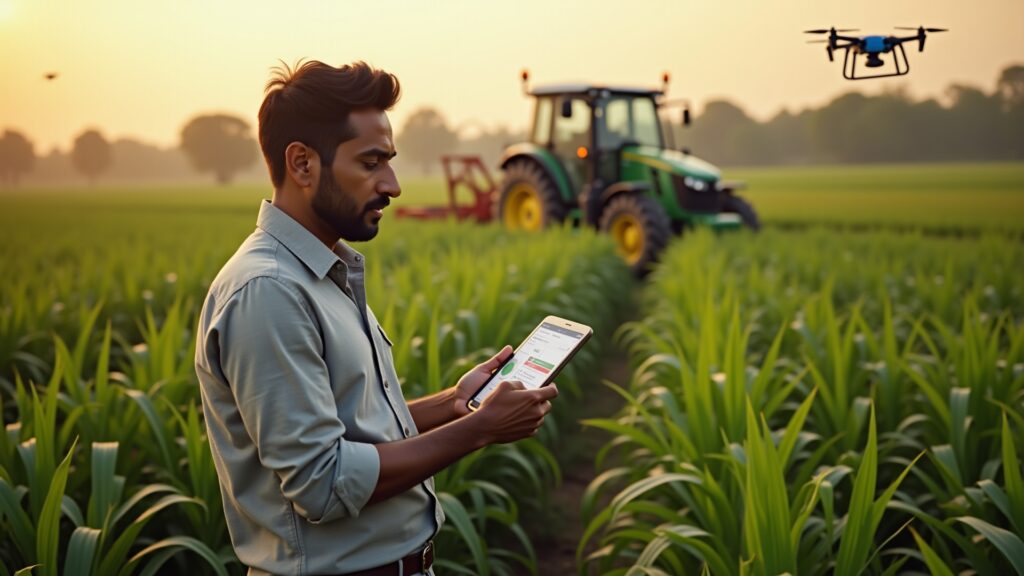
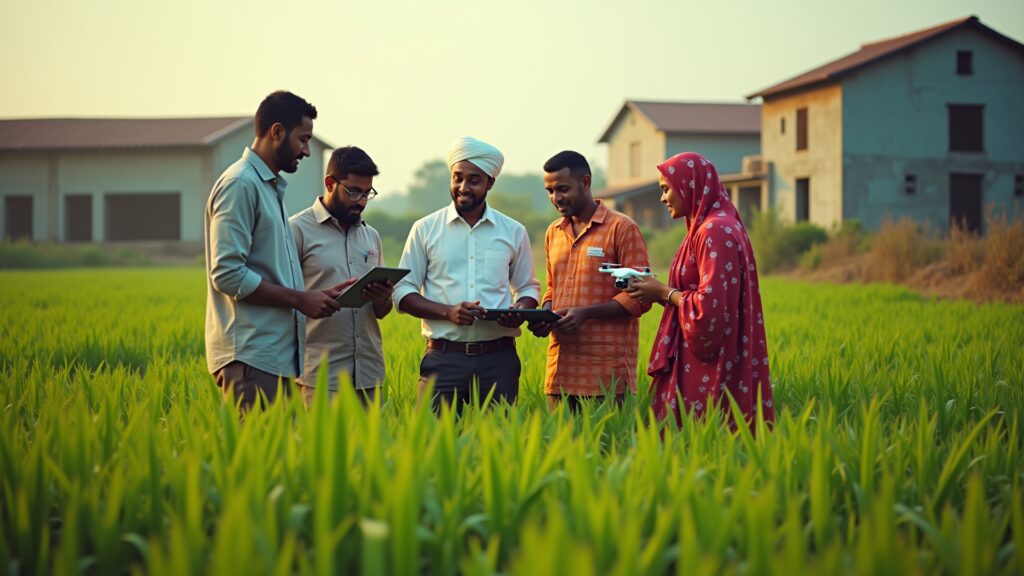
To build resilience, you must move beyond reactive measures and embed agility into your feed supply strategy. Technology adoption—such as satellite-based crop monitoring, precision irrigation, and data-driven predictive analytics—enables you to anticipate shortages and optimize sourcing. Embracing climate-smart agriculture, including drought-resistant crop varieties and integrated fodder systems, will buffer against changing conditions and improve resource-use efficiency.
Practical Steps to Strengthen Your Feed Supply Chain
- Invest in Diversification: Cultivate a mix of traditional and alternative feed crops to hedge climate risks.
- Adopt Agritech Solutions: Utilize digital platforms for supply chain transparency, demand forecasting, and quality control.
- Collaborate with Policymakers: Engage in shaping supportive frameworks around water use, subsidies, and climate adaptation programs.
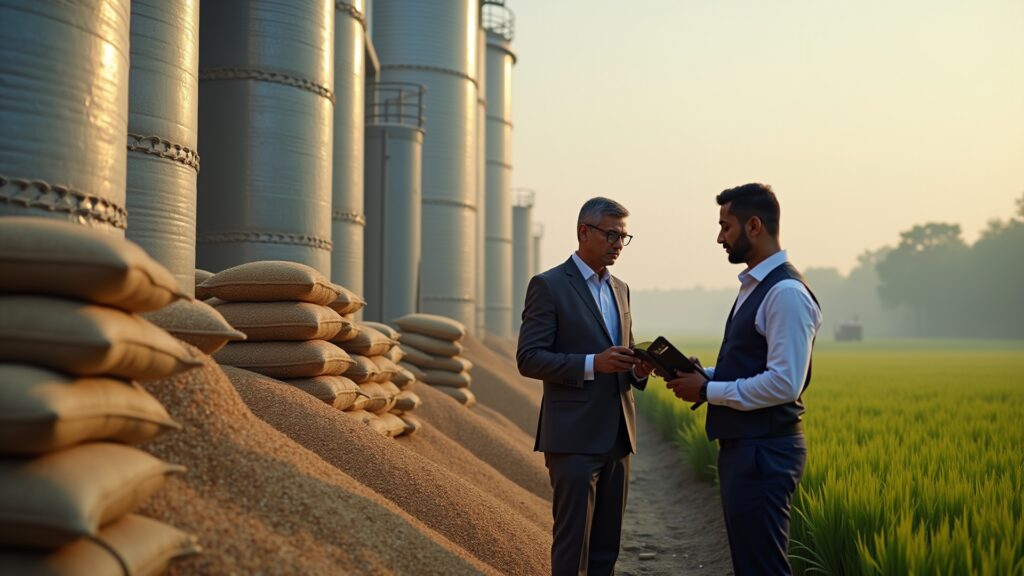
- Enhance Storage and Logistics: Improve infrastructure to reduce post-harvest losses and ensure timely feed availability.
- Focus on Sustainability: Implement practices that reduce environmental footprint and enhance long-term resource security.
Words to Consider as You Navigate This Challenge
“In agriculture, timing is rarely just operational — it is strategic.”
“The real opportunity is not in reacting late, but in understanding where the market is moving next.”
“When policy, technology, and farm economics align, growth becomes more scalable.”
Cautionary Notes: Risks and Challenges on the Horizon
While agritech and policy reforms offer promise, challenges remain. Adoption barriers, such as limited infrastructure and financing options, can hamper implementation. Climate unpredictability itself is increasing, making planning more complex. Additionally, supply chain fragmentation and dependence on monsoon-reliant feed crops elevate vulnerabilities. Recognizing these risks will help you prioritize investments and partnerships wisely.
What You Should Monitor Moving Forward
Keep an eye on evolving government policies related to agriculture and climate change, especially schemes encouraging sustainable livestock and feed crop production. Technology advancements in remote sensing and blockchain for supply chain traceability will shape future sourcing strategies. Market signals on feed prices and availability, alongside weather forecasts and climate models, will be instrumental in your decision-making.
Conclusion: Prioritize Feed Supply Chain Resilience at the Intersection of Climate and Business Strategy
Securing India’s livestock feed supply chain amid the changing climate is no longer a peripheral concern—it is a strategic imperative for your agribusiness. By embracing agritech innovation, engaging with policy, and adopting sustainable, climate-smart practices, you position your enterprise for not only survival but scalable growth. The future of the India livestock sector depends on decisions you make today to mitigate climate risks while unlocking new opportunities.