
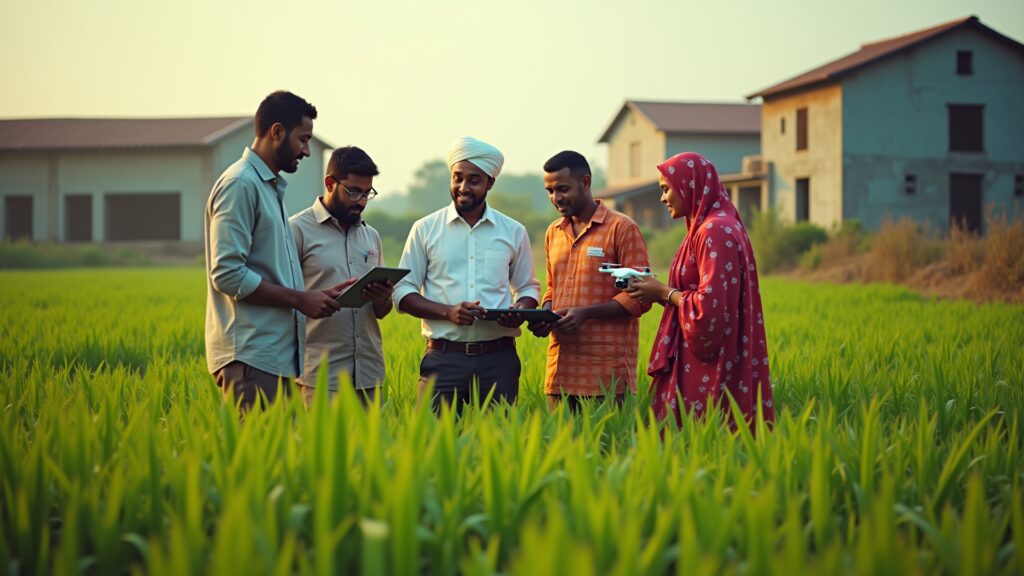













When you are steering a business in the highly competitive and ever-evolving agribusiness landscape of India, strategic collaborations that can transform crop productivity are invaluable. The recent partnership between Indian Potash Ltd and a subsidiary of UPL focused on boosting sugarcane yields near a key mill in Gujarat is one such development you should watch closely. This alliance not only signals innovation in agritech but also holds significant implications for farm profitability, supply chain efficiency, and sustainable agricultural practices in one of India’s vital sugarcane belts.
Why This Matters to You
As an agribusiness leader, investor, policymaker, or agriculture professional, your decisions and strategies rest on advancing sustainable yields and optimizing input cost. This partnership offers a model for leveraging corporate synergies to tackle key challenges in sugarcane cultivation — a crop that heavily influences rural economies, agritech adoption, and the broader agri supply chain in Gujarat and beyond. Understanding the strategic underpinnings of such collaborations can help you position your business or investments to capitalize on emerging market opportunities while driving farm sustainability and profitability.
What Is Happening
Indian Potash Ltd, a critical player in India’s fertilizer and crop nutrient space, has joined forces with a UPL arm to enhance sugarcane yields around a pivotal mill in Gujarat. This move represents a focused effort on integrating advanced crop nutrition technologies and streamlined supply chain management to uplift production efficiencies. Their collaboration combines Indian Potash Ltd’s expertise in potassic fertilizers with UPL’s expansive agritech solutions, targeting yield enhancement through better soil health, nutrient availability, and precision farming methods tailored for sugarcane.
Decoding the Business and Agricultural Impact
This collaboration is far more than a local agronomy project; it embodies a strategic push into the lucrative sugarcane segment characterized by complex input-output dynamics, seasonal vulnerabilities, and demand for sustainable production systems. For agribusinesses, the partnership unlocks potential:
- Agritech Innovation: Integrating precision nutrient management and scalable tech solutions to improve productivity.
- Farm Profitability: Enhanced yields translate to better margins for farmers and processors, boosting supply stability.
- Supply Chain Optimization: A smoother flow of fertilizers and related inputs increases operational efficiencies and reduces wastage.
- Policy and Sustainability: Aligning with government mandates on sustainable farming practices and input use efficiency.
For policymakers, these efforts underpin rural economic growth and reinforce India’s commitment to sustainable agriculture.
Strategic Insight: Leveraging Synergies for Sustainable Growth
This partnership shows that in agriculture, integration across the value chain—combining inputs, technology, and market access—is a critical determinant of success. Indian Potash Ltd and UPL’s collaboration exemplifies how bringing together complementary strengths can address multifaceted challenges:
- Enhancing soil health: Improved potash management supports sugarcane’s nutrient requirements, fostering resilience and yield stability.
- Advanced agritech application: Precision delivery systems and farmer advisory platforms enable smarter crop management.
- Sustainability focus: Optimized input use reduces environmental footprint and promotes long-term soil fertility.
“When policy, technology, and farm economics align, growth becomes more scalable.” Your role is to understand these intersections and integrate them into your strategy to future-proof operations and investments.
Practical Takeaways for Agribusiness Leaders
- Monitor such collaborative ventures closely: They often signal emerging best practices and innovation trends.
- Invest in agritech and nutrient innovation: These are critical drivers to enhance crop productivity in high-value crops like sugarcane.
- Align with sustainability goals: Embrace approaches that balance yield with environmental stewardship to meet evolving market and policy demands.
- Expand partnership thinking: Collaboration between complementary agribusiness entities can unlock new value chains.
Expert Perspective to Reflect On
“In agriculture, timing is rarely just operational — it is strategic.”
“The real opportunity is not in reacting late, but in understanding where the market is moving next.”
These insights remind you that staying ahead in agribusiness requires proactive engagement with innovations like this UPL-Indian Potash collaboration.
Risks and Cautions to Consider
While this partnership promises considerable benefits, the risks inherent in such initiatives must not be overlooked. These include:
- Technology adoption barriers: Farmers may face challenges adapting to new nutrient management techniques without adequate support.
- Supply chain disruptions: Complexities in fertilizer logistics or policy shifts could impact availability and pricing.
- Market volatility: Sugarcane prices are influenced by broader economic and policy changes, necessitating nimble strategy adjustments.
You should prepare risk mitigation plans that emphasize farmer education, flexible supply chain solutions, and market intelligence.
What You Should Watch Next
Keep an eye on how the collaboration scales beyond the initial mill zone in Gujarat, the rollout of agritech tools with farmer engagement, and government policy incentives supporting such partnerships. Early indicators of yield improvement and farmer satisfaction will be key metrics signaling the partnership’s success.
“Sustainable farming is not an isolated effort but a collaborative journey across stakeholders.”
Conclusion: Anchoring Your Strategy in Innovation and Collaboration
Your next strategic move might well hinge on understanding and integrating alliances like the Indian Potash Ltd and UPL collaboration. It not only underscores a shift toward data-driven, sustainable sugarcane farming but also exemplifies how smart partnerships can create lasting value across agribusiness ecosystems. As you navigate Indian agriculture business dynamics, let this partnership inform your approach to agritech investments, supply chain strategies, and sustainability commitments that collectively enhance farm profitability and regional rural economies.
Strategic collaborations such as this are not just agricultural advancements—they are business imperatives for those who lead and invest in the future of farming.