
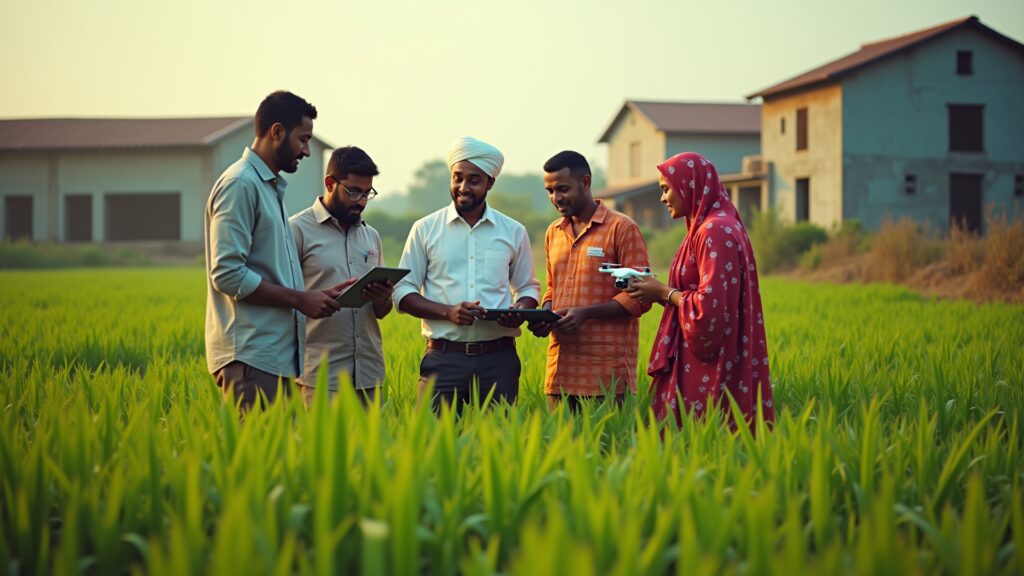













Agritech solutions have the power to transform agriculture by addressing real challenges faced by farmers. To create a successful startup in this sector, it’s imperative to focus on farmers’ needs, ensuring your innovations enhance their productivity and livelihood. This guide will walk you through the imperative steps to establish a sustainable agritech startup that prioritizes serving farmers while still appealing to investors. Your journey begins with understanding the core values that drive successful agritech initiatives.
Key Takeaways:
- Focus on understanding the real needs and challenges of farmers through direct engagement and feedback.
- Develop solutions that offer long-term value and sustainability, rather than prioritizing short-term financial returns.
- Foster partnerships with agricultural organizations and local communities to enhance trust and effectiveness in service delivery.
Understanding the Needs of Farmers
To successfully serve farmers, you must grasp their unique challenges and requirements. Engaging directly with farmers and immersing yourself in their daily operations provides invaluable insights that can steer your agritech solutions. Understanding issues like resource optimization, climate impact, and financial constraints allows you to create products that genuinely enhance their productivity and sustainability, ultimately benefiting both their livelihoods and your business model.
Identifying Pain Points
Farmers face numerous challenges, such as unpredictable weather, rising costs, and limited access to technology. By conducting thorough research, including surveys and interviews, you can pinpoint specific pain points like inefficient water usage or difficulty accessing market data. Clearly understanding these issues enables you to tailor your solutions to directly address their most pressing needs, ensuring relevance and increasing adoption rates.
Engaging with the Farming Community
Building strong relationships with the farming community is vital for gaining trust and fostering open dialogue. Attend local agricultural shows, participate in community forums, and establish partnerships with agricultural organizations. This engagement not only helps you gather valuable insights but also positions you as a genuine advocate for farmers’ interests, enhancing your credibility and ensuring that your solutions are grounded in real-world experiences and needs.
Engaging with the farming community means immersing yourself in their world. Consider organizing workshops or focus groups, where you can facilitate discussions about existing hurdles and gather feedback on your ideas. Leverage social media platforms popular among farmers to create interactive discussions or share relevant resources. Such initiatives create a two-way communication channel, where farmers feel heard, and you gain firsthand knowledge about their struggles, which can directly inform your product development. For instance, you might discover that a significant number of farmers lack access to weather forecasting tools, driving you to develop a targeted app, thereby directly addressing a widespread need. This kind of proactive engagement translates into solutions that truly cater to the farmers you aim to serve.
Essential Factors for Sustainable Agritech Solutions
Your agritech solutions must prioritize three necessary factors: sustainability, accessibility, and adaptability. The balance of these elements ensures you create impactful technologies that enhance farmers’ productivity while preserving environmental integrity. Consider the following:
- Utilizing eco-friendly materials and practices.
- Ensuring affordability for smallholder farmers.
- Adapting solutions to varying regional climates and farming methods.
After considering these factors, you can better position your startup to meet the needs of farmers while also appealing to investors.
Environmental Impact Considerations
Every agritech solution you develop must assess its environmental impact. Implementing practices such as precision agriculture minimizes resource waste and encourages sustainable land use. For instance, drip irrigation systems save water and reduce runoff, mitigating soil erosion and nutrient depletion. By prioritizing eco-friendly methods, your startup can contribute to healthier ecosystems and meet regulatory requirements.
Economic Viability and Scalability
Your agritech startup’s success hinges on its economic viability and scalability. Focus on solutions that not only address farmers’ immediate challenges but also have long-term cost-saving benefits resulting in increased yield and profitability. A strong example is data analytics for yield prediction, which allows farmers to optimize inputs and maximize returns.
The economic model you choose should be sustainable and adaptable. For instance, consider subscription models for software services that provide ongoing support and updates, ensuring farmers always benefit from the latest advancements without incurring high upfront costs. Additionally, build upon partnerships with local cooperatives to scale your reach and improve distribution, making your solutions available to a broader audience while maintaining service quality and farmer satisfaction.
How to Develop a Business Model that Serves Farmers
Your business model should prioritize the unique needs of farmers, ensuring that every component empowers them rather than just generating profit. This involves an understanding of local contexts, seasonal variations, and the socio-economic conditions surrounding farming. By integrating farmer feedback in the design process, you can tailor your offerings to enhance productivity, improve efficiency, and ultimately deliver real value.
Value Proposition Development
Clearly articulating your value proposition means demonstrating how your solution addresses specific pain points faced by farmers. You must showcase tangible benefits such as improved yield, cost savings, or enhanced access to markets. Building case studies around successful pilot programs further solidifies your position and creates trust among prospective users. The goal is to present a compelling reason for farmers to adopt your technology, making it an necessary part of their operations.
Pricing Strategies that Benefit Farmers
Choosing the right pricing strategy is necessary for making your solutions accessible to farmers. Consider tiered pricing based on farm size, usage, or purchase frequency to accommodate diverse economic capacities. You might also explore subscription models that allow for lower upfront costs while providing continuous support and updates, thus fostering a long-term relationship with your farmer customers.
Adopting flexible pricing strategies can create a win-win scenario, ensuring affordability while maintaining sustainability for your agritech solution. For instance, bundling various services or products can offer more comprehensive solutions at a reduced rate. Additionally, collaborating with local agricultural cooperatives to provide discounts or incentives will not only enhance user adoption but also foster community trust and support. Providing transparent pricing ensures that farmers see the value in your solutions without hidden costs that could stifle their operations.
Building a Technology Framework for Sustainability
Your technology framework should integrate data-driven solutions that promote sustainable farming practices. This includes utilizing precision agriculture tools, which allow for resource efficiency through real-time monitoring of soil health, crop conditions, and resource usage. By adopting IoT devices and machine learning algorithms, you can help farmers make informed decisions that enhance productivity while minimizing environmental impact.
Selecting the Right Technology Tools
Choosing the appropriate technology tools is key to aligning your solutions with farmers’ needs. Focus on scalable platforms that support data integration, such as cloud computing, which can centralize information and facilitate real-time analysis. Tools like drones for aerial imagery or mobile apps for crop tracking provide tangible benefits, ensuring that farmers can easily adopt and implement these technologies.
Ensuring Accessibility and Usability
Accessibility and usability of your technology are vital to ensure that all farmers, regardless of their tech-savviness, can benefit. Engaging with farmers during the design process helps you to create intuitive interfaces that address real-world challenges. Providing multilingual support and training also enhances user experience, further ensuring that farmers feel confident and capable of leveraging your technology.
Fostering accessibility starts with understanding the diverse backgrounds and skill levels of your end users. Incorporate visual aids, user-friendly dashboards, and clear instructions to cater to farmers who may not have extensive tech experience. Case studies of successful agritech solutions highlight the need for hands-on training sessions and ongoing support, illustrating how personalized onboarding can increase adoption rates and empower farmers to fully utilize your products.
Tips for Securing Funding Without Compromising Values
Funding is important for growth, but it shouldn’t come at the cost of your core values. Seek investors who align with your mission and prioritize transparency in your financial dealings. Cultivate relationships built on trust by demonstrating how your solutions impact farmers positively, while also appealing to profit-driven motives.
- Identify values-aligned investors through industry research.
- Present data showcasing your social and environmental impact.
- Leverage grants or crowdfunding as alternative funding sources.
- Network within agritech forums and events to find sympathetic backers.
Recognizing that investors also seek financial returns, you can create pitches that highlight both social impact and profitability to appeal to a broader audience.
Aligning with Impact Investors
Impact investors are increasingly looking for opportunities that generate social and environmental benefits, making them ideal partners for your agritech startup. By defining your impact metrics, you can attract investors focused on sustainability who appreciate your commitment to serving farmers effectively. Highlight your alignment with the UN’s Sustainable Development Goals (SDGs) when presenting your business model.
Developing a Sustainable Pitch
A sustainable pitch must communicate both your vision and the tangible benefits of your offering. Use clear and engaging storytelling to connect with potential investors, emphasizing data-driven results that demonstrate farmer success and environmental stewardship. Your pitch should encapsulate how your innovations not only elevate farmers but also guarantee long-term viability in the agritech sector.
In crafting a sustainable pitch, focus on concrete examples illustrating your technology’s impact, such as specific case studies where farmers increased yield or reduced costs. Presenting statistics on improvement in sustainability metrics can strengthen your argument. Integrate visuals and testimonials from farmers to create an emotional connection while backing claims with hard data. This approach not only showcases your potential for financial return but reinforces your commitment to serving the farming community responsibly and ethically.
Marketing and Outreach to Farmers
Effective marketing to farmers involves understanding their unique motivations and methods of communication. Use local channels such as agricultural fairs, community gatherings, and cooperatives to showcase your solutions. Tailor your messaging to underscore how your technology directly addresses their challenges-be it improving yield, reducing costs, or ensuring sustainability. Digital platforms can also play a role; consider targeted social media campaigns that resonate with farmers’ values and everyday experiences.
Effective Communication Strategies
Your communication must be clear, relatable, and rooted in farmers’ everyday realities. Use straightforward language that avoids jargon; farmers appreciate transparency and authenticity. Share success stories and relatable case studies that demonstrate the tangible benefits of your solutions. Visual aids, like infographics or videos, can also help simplify complex concepts and engage your audience more effectively.
Leveraging Partnerships and Networks
Building alliances with local agricultural organizations and cooperatives can amplify your outreach efforts. These partnerships enhance credibility and facilitate access to farmers within established networks. Collaborating with agricultural experts who understand farmers’ needs will also ensure that your solutions are not only desirable but also practical.
Aligning with local agricultural cooperatives provides a significant advantage, offering authentic channels to engage with farmers. For instance, teaming up with organizations like the National Farmers Union can lead to co-hosted workshops where you demonstrate your technology firsthand. Additionally, creating joint marketing efforts with agricultural influencers or experts fosters trust and positions you as a knowledgeable ally in their farming journey, ultimately enhancing the adoption of your solutions.
Final Words
Considering all points, you should prioritize understanding farmers’ needs and challenges when establishing your agritech startup. By fostering direct relationships with the farming community, you can develop solutions that enhance productivity while ensuring sustainability. Focus on integrating technology that not only meets your investors’ expectations but also empowers farmers with tools for growth. Crafting your business model around value for farmers will set you apart, leading to a more resilient and impactful enterprise that benefits both stakeholders and the agricultural ecosystem at large.
FAQ
Q: What are the necessary steps to identify the real needs of farmers?
A: Engaging directly with farmers through interviews and surveys is vital. Observing their daily routines and challenges can unveil their pressing needs. Collaborating with local agricultural organizations can provide insights into community-wide issues that require attention in your agritech solutions.
Q: How can I ensure my agritech solution remains affordable for farmers?
A: Conduct a thorough market analysis to determine price points that are sustainable for farmers. Consider cost-effective production methods, partnerships with local suppliers, and financial assistance options for farmers. Performing pilot programs can help gauge the affordability and effectiveness before a full launch.
Q: What role does sustainability play in agritech startups aimed at serving farmers?
A: Sustainability should be at the core of your business model, focusing on environmentally friendly practices, resource conservation, and supporting local ecosystems. Building solutions that promote biodiversity and reduce the carbon footprint will not only help farmers thrive but also appeal to conscious consumers and investors alike.