










It’s necessary for you as a dealer or OEM to understand how to best support farmers in today’s evolving agricultural landscape. This playbook outlines nine effective strategies that can enhance your partnerships with farmers, delivering not just equipment but also knowledge, services, and innovation. By implementing these approaches, you can significantly contribute to their productivity and success, ensuring that they have the tools needed to thrive in a competitive market.
Key Takeaways:
- Enhancing digital engagement is vital for creating strong relationships between dealers, OEMs, and farmers.
- Providing tailored solutions based on specific needs leads to increased customer satisfaction and loyalty.
- Implementing innovative technologies improves efficiency and productivity in farming operations.
Understanding the Needs of Modern Farmers
Today’s farmers face a rapidly changing landscape driven by technology, climate change, and evolving consumer demands. To empower them effectively, you must tap into their unique challenges and aspirations, ensuring your solutions address not just their immediate needs but also their long-term goals. This understanding fosters trust and positions you as a valuable partner in their agricultural journey.
Identifying Farmer Challenges
Every farmer encounters distinct hurdles that impact productivity and profitability, such as labor shortages, fluctuating market prices, and the implications of climate change. By actively engaging with them, you can identify specific pain points, enabling you to develop tailored solutions that directly address these challenges, enhancing their success in an increasingly competitive market.
Assessing Equipment Utilization
Understanding how farmers use their equipment is important for optimizing performance and ensuring they get the most value from their investments. By examining usage patterns, you can identify underutilized machinery and suggest strategic enhancements or adjustments to maximize efficiency and productivity.
Tracking equipment utilization involves analyzing factors like hours of operation, maintenance records, and the specific tasks performed with each piece of machinery. For example, if you find a tractor primarily used for one task, you might recommend versatile attachments that broaden its functionality. Furthermore, investing in telematics can provide real-time insights into equipment performance, enabling you to offer proactive maintenance and operational advice. This not only aids in boosting efficiency but can extend the life of the equipment, ultimately improving the farmer’s bottom line.
Streamlining Supply Chain Operations
Efficient supply chain operations are vital for maximizing productivity and reducing costs. By integrating advanced technologies like AI and predictive analytics, you can forecast demand, manage logistics seamlessly, and minimize delays. Implementing an agile supply chain allows you to respond swiftly to market fluctuations while ensuring that farmers have access to the equipment they need when they need it.
Enhancing Inventory Management
Effective inventory management helps you maintain optimal stock levels, minimizing both excess inventory and shortages. Utilizing automated inventory systems and real-time tracking can provide you with insights into turnover rates and allow for timely reordering. This ensures that you deliver the right equipment to farmers without wasting resources.
Establishing Stronger Vendor Relationships
Building robust vendor relationships can lead to better pricing, priority access during shortages, and improved product quality. Collaborating closely with your vendors enables you to align your strategies, share valuable insights, and negotiate terms that benefit both parties in the long run.
Investing time to foster these relationships pays off significantly. For example, a regional dealer increased their vendor collaboration efforts, resulting in a 25% reduction in procurement costs and enhanced access to new technologies. This partnership allowed them to offer farmers state-of-the-art equipment at competitive prices, reinforcing customer loyalty and trust. Strong vendor relationships create a win-win scenario, driving innovation and responsiveness that can set your operations apart in a competitive market.
Training and Support for Effective Usage
To maximize the potential of your equipment, investing in training and support is necessary. By focusing on enhancing your team’s skills and understanding of advanced machinery, you can optimize daily operations, improve safety, and increase productivity. Implementing effective training programs ensures that your operators are well-equipped to utilize technology to its fullest potential, ultimately leading to better crop yields and streamlined processes.
Building Comprehensive Training Programs
Creating comprehensive training programs tailored to your specific equipment is vital. These programs should include hands-on workshops, online tutorials, and user-friendly manuals that cover both basic and advanced functionalities. Involving experienced operators in the training process can foster a collaborative learning environment, enhancing your team’s grasp of complex machinery and making them more efficient in their tasks.
Offering Continuous Support and Maintenance
Providing continuous support and maintenance ensures your equipment remains in peak working condition. Establishing a dedicated support team that is easily accessible can alleviate concerns during critical farming periods, minimizing downtime. Offering regular maintenance checks and quick response times for repairs not only maintains operational efficiency but also builds trust between you and your equipment provider.
Effective maintenance programs can drastically reduce equipment failures and associated costs. For instance, implementing a proactive maintenance schedule can decrease unexpected downtime by up to 30%. This means that regularly scheduled services, such as oil changes, system checks, and parts replacements, become integral to your operation’s efficiency. Additionally, utilizing technology like remote diagnostics can provide insights into potential issues before they escalate, leading to more streamlined processes and better decision-making on the farm.
Incorporating Technology and Innovation
Adopting technology and innovative practices can significantly enhance your farming operations, driving efficiency and productivity. By integrating modern solutions, you can streamline processes, optimize resource use, and respond effectively to market demands. Embracing innovations not only increases yields but also positions your farm as a leader in sustainability and profitability.
Implementing Precision Agriculture Tools
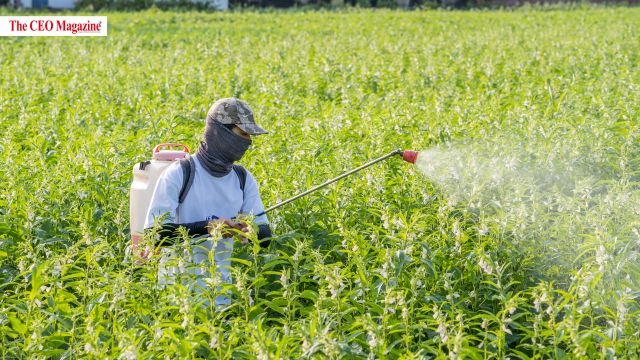
Utilizing precision agriculture tools allows you to gather and analyze data for informed decision-making. By employing GPS-guided equipment, soil sensors, and satellite imagery, you can precisely manage inputs such as water and fertilizers, tailoring your approach to specific field conditions. This strategy maximizes output while minimizing waste and environmental impact.
Staying Ahead with R&D
Investing in research and development ensures you keep pace with industry advancements and emerging technologies. By prioritizing R&D, you can explore new crop varieties, advanced machinery, and innovative farming techniques, enhancing your operational resilience. Staying engaged with the latest trends enables you to adapt quickly, ensuring sustained growth and competitiveness.
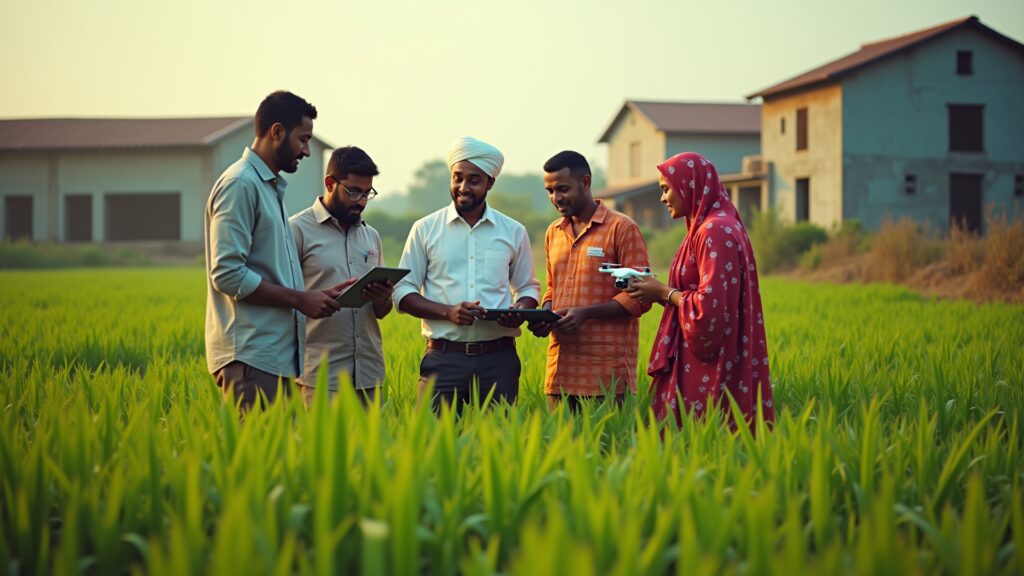
In a rapidly evolving agricultural landscape, dedicating resources to R&D can lead to breakthroughs that dramatically improve farm performance. Collaborating with agricultural universities and participating in field trials not only fosters innovation but also allows you to test and adopt new technologies before they become mainstream. For instance, the adoption of various drones for crop monitoring and treatment applications has shown significant yield improvements and cost savings. Keeping an eye on the latest research helps you anticipate shifts in consumer preferences or sustainability regulations, ensuring you’re always prepared for the future.
Collaboration Between Dealers and OEMs
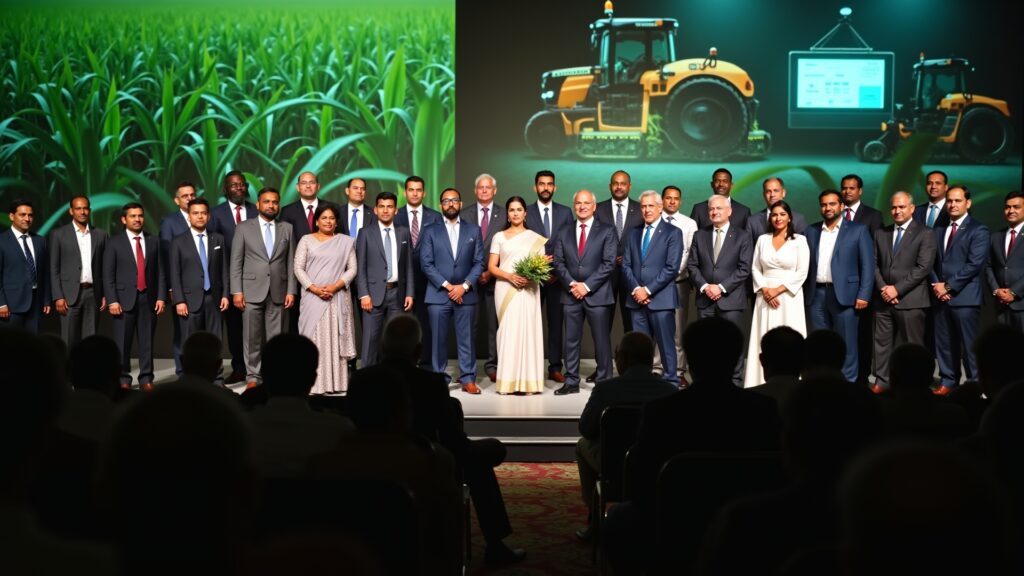
True empowerment for farmers comes through effective collaboration between dealers and OEMs. This synergy allows both parties to address the specific needs and challenges faced by farmers, ensuring they receive tailored solutions and superior service. By working together, you enhance product offerings and after-sales support, ultimately increasing customer satisfaction and loyalty.
Fostering Partnership Strategies
Implementing partnership strategies fosters long-term relationships that benefit both dealers and OEMs. Joint initiatives, like co-hosting training sessions or field demonstrations, not only strengthen connections but also keep you aligned on market trends and customer demands. Collaborative marketing efforts can amplify your outreach, driving awareness and sales effectively.
Sharing Data and Insights
Data sharing between dealers and OEMs is imperative for improving product design and sales strategies. By analyzing regional sales data and customer feedback, you gain valuable insights into market trends. This allows both parties to create more targeted products, resulting in higher satisfaction rates among farmers.
For instance, when dealers share data on machinery performance and failure rates, OEMs can refine designs and address specific issues before they become widespread. Additionally, insights on customer preferences can lead to enhanced features or new product lines. By leveraging tools like CRM systems and cloud-based platforms, you can facilitate real-time access to data, ensuring both you and your partners remain agile in response to changing agricultural demands. This data-driven approach not only strengthens your competitive edge but also enriches the overall user experience for farmers.
Marketing and Outreach Strategies
Effectively marketing your products and services requires tailored strategies that resonate with your target audience. Building a comprehensive outreach plan that includes digital marketing, local events, and educational workshops can help you connect with farmers. Use data analytics to refine your messaging and ensure it speaks directly to the needs and pain points of farmers, increasing your outreach’s efficiency and effectiveness.
Targeted Communication Approaches
Use segmented communication strategies to ensure your messages align with the specific interests and needs of various farming segments. For example, promotional emails tailored to crop farmers might focus on precision agriculture tools, while livestock farmers may benefit from messages highlighting feed management technologies. Personalization boosts engagement, ensuring that your communications resonate more strongly with each group.
Engaging with the Farming Community
Active participation in the farming community fosters trust and builds long-term relationships. Attend local agricultural fairs, sponsor community events, or organize farm visits to demonstrate your commitment to supporting farmers. Engage through social media platforms, sharing success stories and industry insights that can empower farmers in their decision-making processes.
Engaging with the farming community means more than just attending events; it requires you to listen and respond to their needs actively. Consider setting up forums or focus groups where farmers can share challenges and expectations. Leverage feedback from these interactions to guide your product development and marketing strategies. By being a visible and supportive presence in local farming circles, you establish a reputation as a trusted partner dedicated to the success of the agricultural community.
To wrap up
So as you explore the strategies outlined in ‘The Farm Equipment Playbook,’ you will find numerous opportunities to empower farmers through innovative solutions and enhanced support. Implementing these nine approaches can not only strengthen your relationship with your customers but also drive success in a competitive market. By actively engaging with farmers and understanding their needs, you can position yourself as a trusted partner, ultimately contributing to their productivity and profitability in the agricultural landscape.
FAQ
Q: What are the key benefits of implementing the strategies outlined in ‘The Farm Equipment Playbook’?
A: The playbook highlights nine specific strategies that help in enhancing communication between dealers and farmers, improving product offerings, and ultimately increasing customer satisfaction. These benefits include improved access to resources, better customer support, and enhanced product usability, which collectively contribute to the efficiency and productivity of farming operations.
Q: How can dealers and OEMs effectively gather feedback from farmers?
A: Dealers and OEMs can utilize surveys, focus groups, and direct interviews to gather valuable insights from farmers. Implementing a structured feedback loop ensures that farmers feel heard and helps dealers make informed decisions about product improvements and service offerings.
Q: What role does technology play in empowering farmers according to the playbook?
A: Technology serves as a fundamental pillar in the playbook, enabling accurate data collection, real-time monitoring, and streamlined communication. Tools such as mobile applications and precision farming solutions facilitate informed decision-making, allowing farmers to optimize their operations effectively.