












Agritech is revolutionizing the agricultural landscape, offering innovative solutions to enhance productivity and sustainability. As an agritech startup, adopting smart farming strategies can significantly influence your bottom line. In this post, you will explore nine crucial strategies that can streamline your operations and elevate your profitability in the competitive agriculture sector. By integrating these practices, you can effectively leverage technology to optimize resources and maximize yields.
Key Takeaways:
- Implement precision agriculture technologies to optimize resource use and enhance crop yields.
- Leverage data analytics for informed decision-making and operational efficiency.
- Prioritize sustainable practices to meet consumer demand and regulatory requirements.
Embracing Precision Agriculture
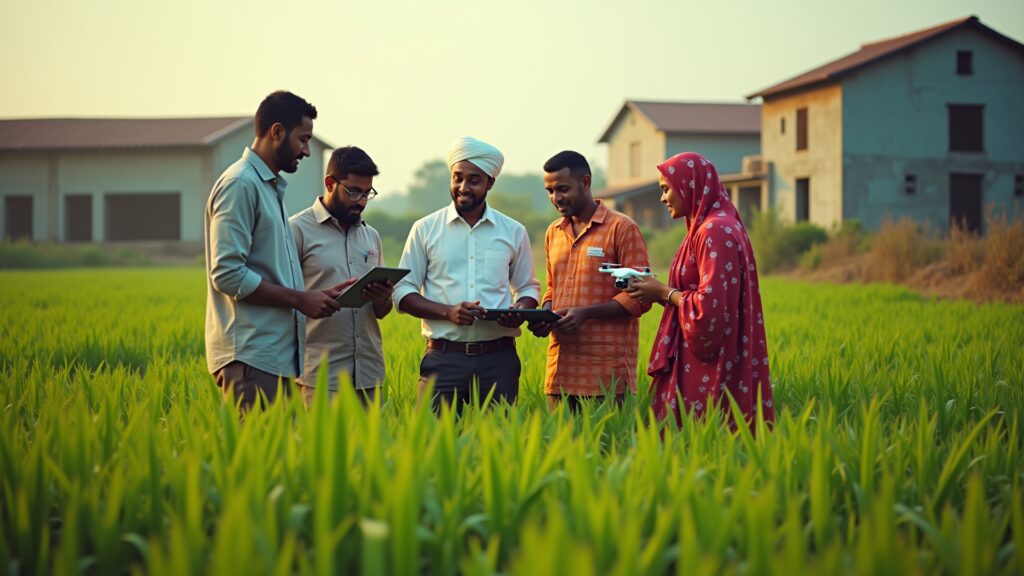
Adopting precision agriculture transforms your farming practices by tailoring techniques to specific conditions in your fields. This approach utilizes advanced technologies to monitor variances in soil health, moisture levels, and crop needs, enabling you to apply resources more effectively. As a result, you can boost productivity, lower input costs, and enhance sustainability across your operations.
Utilizing IoT Devices
Integrating IoT devices into your farming approach allows for real-time monitoring and management of environmental conditions. Sensors can track soil moisture, temperature, and nutrient levels, giving you immediate insights to optimize irrigation and fertilization strategies. This data-driven supervision not only conserves resources but also improves crop health and yields.
Data-Driven Decision Making
Emphasizing data-driven decision-making empowers you to make informed choices that directly impact your profitability and sustainability. Leveraging data analytics, you can analyze trends and patterns in crop performance, market prices, and weather forecasts to guide your farm management strategies.
For instance, employing software platforms that compile and analyze vast amounts of data can help you identify the most profitable crops for the current season or predict potential pest outbreaks before they escalate. By regularly utilizing predictive analytics, you can anticipate changes in demand and adjust planting schedules accordingly, leading to optimized cash flow and reduced wastage. This strategic approach to farming not only maximizes your yields but also positions your agritech startup for long-term success in an ever-evolving market landscape.
Implementing Sustainable Practices
Integrating sustainable practices into your operations enhances not only profitability but also environmental health. Strategies such as precision agriculture, organic farming, and eco-friendly pest control contribute to a regenerative agricultural system. Implementing these practices helps reduce your carbon footprint, conserve natural resources, and promote biodiversity, all while appealing to the growing consumer demand for sustainably produced food.
Crop Rotation and Diversity
Adopting crop rotation and promoting biodiversity can significantly boost soil health and yield. By alternating crops in your fields, you disrupt pest cycles and improve soil nutrients, ultimately leading to more productive harvests. For instance, planting legumes can naturally fix nitrogen in the soil, reducing the need for synthetic fertilizers and fostering a healthier ecosystem.
Efficient Water Management
Effective water management is crucial for maximizing agricultural efficiency and sustainability. Utilizing drip irrigation systems can reduce water usage by as much as 60% compared to traditional methods. Moreover, implementing rainwater harvesting allows you to optimize water resources while decreasing reliance on external sources. Monitoring tools, such as soil moisture sensors, help you water crops only when necessary, ensuring that each drop counts toward a bountiful harvest.
Expanding upon efficient water management, technologies like precision irrigation enable you to tailor water application based on real-time data. By analyzing soil moisture levels and weather forecasts, you can create targeted irrigation schedules that improve crop health and conserve water. For instance, the deployment of smart sensors can provide notifications when irrigation is needed, reducing waste and lowering operational costs. Implementing these advanced techniques can lead to a more resilient farm capable of thriving in variable climate conditions.
Leveraging Technology for Pest Management
Effective pest management is vital for maximizing crop yield and minimizing losses. By harnessing cutting-edge technology, you can adopt innovative strategies that not only mitigate pest risks but also align with sustainable agricultural practices, ensuring a healthier ecosystem while improving your bottom line.
Integrated Pest Management (IPM)
IPM combines biological control, habitat manipulation, and crop rotation with traditional pest control methods. By utilizing data-driven insights, you can identify pest populations and their natural predators, allowing you to apply targeted treatments only when necessary. This reduces chemical use, promotes biodiversity, and ultimately leads to healthier crops and soil.
Drones and Remote Sensing
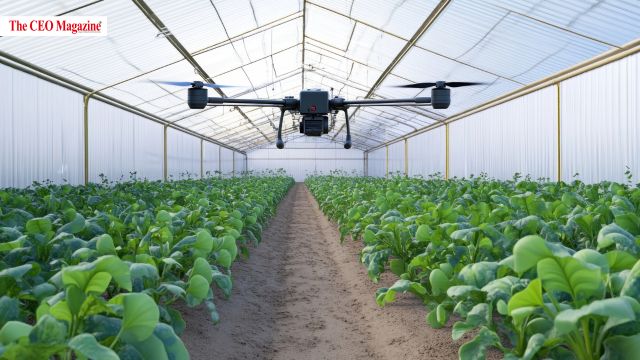
Drones equipped with multispectral sensors provide real-time data on crop health, enabling you to detect pest infestations early. By surveying your fields from the air, you can assess plant vigor, moisture levels, and pest presence, allowing for timely interventions that minimize damage and maximize yield.
Drones equipped with advanced imaging technology can capture detailed data about crop health over large areas, enabling precise action against pests. For instance, deploying drones to monitor plant stress helps you identify specific sections of a field experiencing pest pressure. This targeted approach enhances the efficiency of pest control measures, often reducing pesticide application by up to 30%, while also decreasing environmental impact. Implementing such technology not only improves your pest management strategy but also supports sustainable practices that resonate with today’s consumers.
Enhancing Supply Chain Efficiency
Streamlining your supply chain is vital for reducing costs and improving profitability. By adopting advanced technologies, you can make your processes more efficient, ensuring timely delivery of products from farm to consumer. This approach not only enhances your operations but also strengthens relationships with suppliers and customers, fostering greater trust and collaboration within the system.
Blockchain for Transparency
Integrating blockchain technology into your supply chain allows you to enhance transparency by providing a secure, immutable record of transactions. This technology gives stakeholders real-time access to data regarding product origin, handling, and transportation, which can be crucial for quality assurance and building consumer trust. By leveraging blockchain, you can not only meet regulatory requirements but also create a competitive edge in the agritech market.
Smart Logistics Solutions
Utilizing smart logistics solutions can transform how you manage your transportation and distribution networks. Technologies such as IoT sensors and AI-driven analytics can optimize routes and monitor conditions during transit, ensuring you minimize waste while maximizing efficiency. By harnessing these solutions, you can achieve faster delivery times and reduce operational costs significantly.
In practice, smart logistics solutions have been shown to reduce delivery times by 25% in some agritech applications. Implementing route optimization algorithms helps you identify the most efficient paths, avoiding traffic delays and minimizing fuel consumption. Additionally, real-time tracking through IoT devices allows you to monitor the condition of perishable goods, adjusting storage environments dynamically. These innovations not only enhance customer satisfaction but also drive down costs, leading to higher profitability for your agritech startup.
Adopting Advanced Genetic Breeding
Utilizing advanced genetic breeding techniques allows you to produce crops with enhanced traits, drastically improving yield and resilience. This approach can lead to faster cropping cycles and better adaptation to environmental stresses. Key strategies include:
- Genomic Selection
- CRISPR Technology
- Marker-Assisted Selection
- Hybrid Breeding Techniques
Table: Advanced Genetic Breeding Techniques
| Technique | Description |
| Genomic Selection | Involves using DNA markers to select the most promising plants early in the breeding process. |
| CRISPR Technology | Enables precise editing of genetic material, allowing for specific trait enhancements. |
| Marker-Assisted Selection | Utilizes known genetic markers to accelerate traditional breeding methods. |
| Hybrid Breeding Techniques | Crossbreeds different plant varieties to produce hybrids with superior qualities. |
Genomic Selection
Genomic selection streamlines the breeding process by allowing you to identify and select the best candidates based on their genetic data. This method reduces the time and resources needed for traditional phenotypic selection, enabling faster development of new crop varieties with desirable traits.
CRISPR Technology
CRISPR technology revolutionizes crop improvement by allowing you to make precise changes in the DNA of plants. With this technique, you can enhance desirable characteristics such as drought resistance or pest tolerance quickly and efficiently without introducing foreign DNA.
CRISPR technology offers unprecedented control over your breeding programs, enabling you to target specific genes linked to beneficial traits. By effectively knocking out undesirable genes or inserting advantageous ones, you can tailor your crops to meet market demands and environmental challenges. This technology, used alongside traditional breeding methods, can significantly shorten the development timeline for new crop varieties, ultimately boosting your competitive edge in the agritech sector.
Focus on Financial Sustainability
Ensuring financial sustainability is important for the longevity of your agritech startup. Efficient management of resources, careful planning, and strategic investment can significantly enhance your revenue while minimizing risks associated with agricultural investments. By prioritizing financial health, you position your business for growth and adaptability in the ever-evolving agricultural landscape.
Cost-Effective Resource Allocation
You must identify areas where resources can be optimized to reduce expenditures. Implementing methods like bulk purchasing, sharing equipment, or utilizing cloud-based solutions can drive down costs. This allows you to allocate funds towards innovation and development while maintaining a healthy profit margin in your operations.
Diversification of Revenue Streams
Exploring multiple revenue streams mitigates risk and enhances financial stability for your startup. By offering diverse products or services, you buffer your business against market fluctuations. For instance, consider value-added products or agritourism experiences to attract various customer segments while maximizing income potential.
Diversification of revenue streams can take various forms, such as introducing complementary products or services that appeal to your current customer base. If you’re primarily focused on crop production, think about processing those crops into packaged goods or establishing a subscription service for fresh produce deliveries. Engaging in agritourism, where visitors can enjoy farm experiences, also provides an additional income source. This not only generates revenue but builds your brand as a multi-faceted agricultural business, enhancing resilience against economic downturns and market changes.
Final Words
By applying these 9 smart farming strategies, you position your agritech startup for success in the competitive agriculture sector. Each strategy, from embracing data-driven farming to optimizing resource use, empowers you to enhance productivity, reduce costs, and maximize sustainability. As you integrate these approaches, you not only improve your farming practices but also contribute to a more resilient agricultural landscape, ensuring profitability and long-term viability in your ventures.
Q: What is the importance of precision agriculture in smart farming strategies?
A: Precision agriculture utilizes technology to monitor and manage field variability in crops. It helps in optimizing resource use, increasing crop yields, and reducing environmental impact by applying the right amount of inputs at the right time and place.
Q: How can data analytics enhance decision-making in agriculture?
A: Data analytics can analyze large datasets to reveal insights about crop performance, weather patterns, and market trends. This helps agritech startups make informed decisions, improve operational efficiency, and adapt their strategies quickly to changing conditions.
Q: What role does IoT play in modern farming practices?
A: The Internet of Things (IoT) connects various devices used in farming, such as sensors and drones, to collect real-time data. This interconnectedness allows for better monitoring of crops, soil health, and equipment status, leading to improved farm management and productivity.