












As you maneuver the complex landscape of FMCG agribusiness, understanding the subtle market movements and strategic shifts in companies like Marico, AWL Agri, and Dabur becomes critical. Ahead of their Q4FY26 earnings releases, these agribusiness-linked FMCG stocks are signaling caution—an imperative signal for agribusiness owners, investors, and policymakers who need to anticipate rather than react.
Why This Matters to You
Whether you lead an agribusiness, invest in FMCG stocks, or shape agricultural policy, these developments impact your decision-making matrix. FMCG companies connected to agribusiness play a pivotal role in food processing, rural economy sustenance, and consumer product distribution. Market slips in shares are not just stock market noise; they reflect evolving consumer trends, supply chain adjustments, and strategic recalibrations that could ripple across your operations and investment portfolios.
What Is Happening
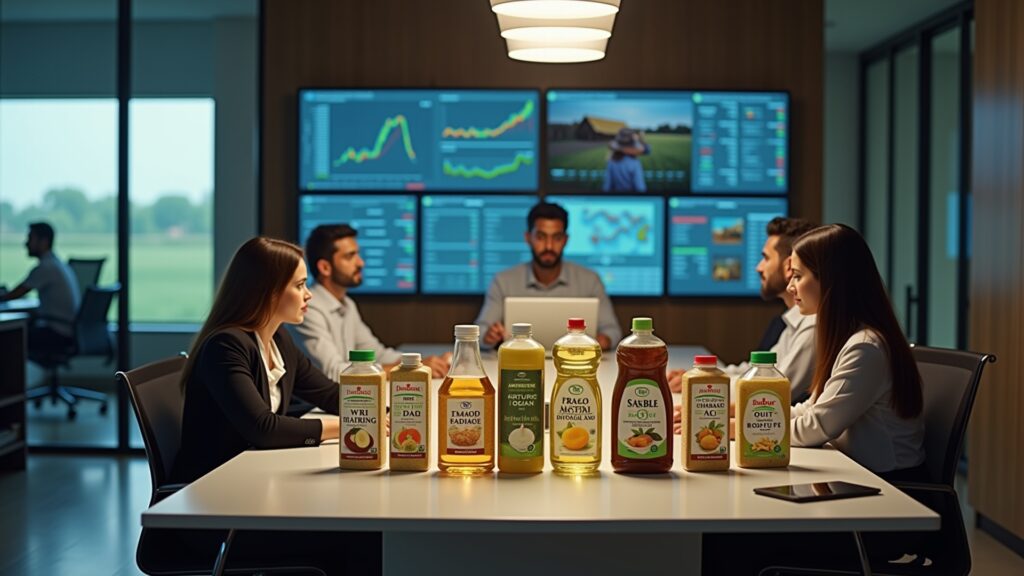
Marico, AWL Agri, and Dabur have recently shared business updates that suggest cautious investor sentiment in the run-up to the Q4FY26 results. Their shares experienced declines post-disclosures, indicating that stakeholders are reevaluating market strategies amid shifting supply chain dynamics and competitive pressures.
The FMCG agribusiness niche—where agriculture meets consumer goods—is grappling with rising input costs, evolving consumer preferences towards health and sustainability, and regulatory changes affecting sourcing and processing.
Key Business and Market Impacts
- Supply Chain Sensitivity: Fluctuations in raw material availability and price volatility have exposed vulnerabilities in agribusiness-linked FMCG supply chains, influencing share prices.
- Consumer Demand Shifts: The rising preference for organic, sustainable products demands agile product portfolios that integrate agritech advancements and sustainable sourcing.
- Investment Risk Realignment: Investors are recalibrating portfolios considering emerging agribusiness risks—climate impact on crops, supply chain disruptions, and policy uncertainty.
- Policy & Regulatory Environment: New agri policies aimed at better farmer integration and food security are reshaping business models for FMCG players tied to agriculture.
Strategic Analysis: What You Should Be Thinking
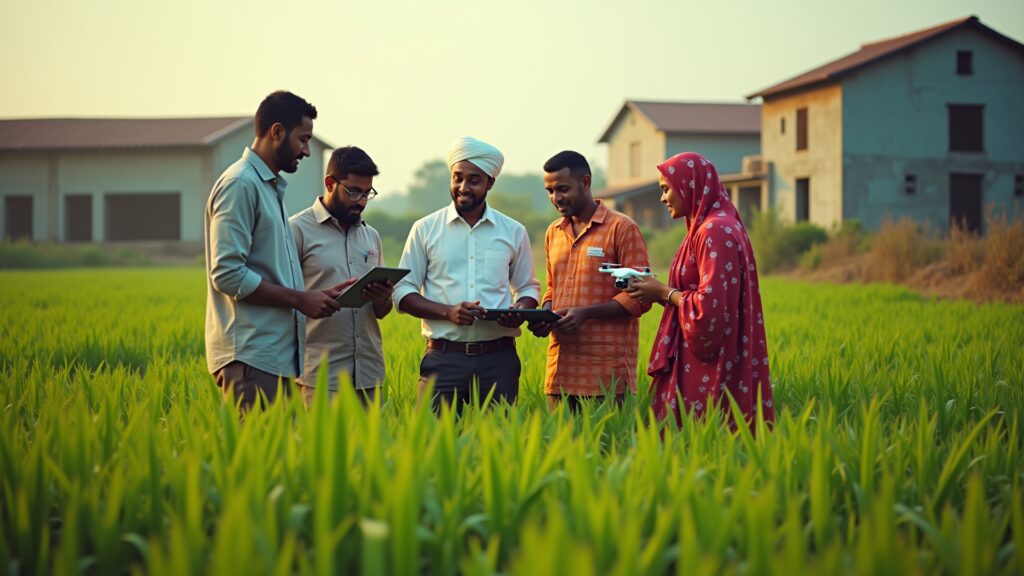
From your vantage point in agribusiness leadership or investment, this moment is a call to deepen your strategic foresight. The FMCG sector is no longer insulated from agricultural fluctuations or sustainability imperatives. Integrating agritech innovations—such as precision farming, blockchain for traceability, and AI-driven supply chain analytics—can be decisive for future resilience.
Moreover, aligning product innovation with shifting consumer values—for example, health-focused or ethically sourced products—can convert risk into opportunity. The pressure on shares post-business updates might be a temporary recalibration, but your strategy must be built on long-term trends, not short-term market reactions.
“In agriculture, timing is rarely just operational — it is strategic.”
“The real opportunity is not in reacting late, but in understanding where the market is moving next.”
Practical Takeaways for Agribusiness Leaders and Investors
- Monitor supply chain signals closely—disruptions or inflation in raw materials impact product pricing and profitability.
- Invest in agritech solutions that enhance traceability, forecast demand, and optimize resource utilization.
- Pivot product lines to capitalize on consumer trends favoring sustainability and health.
- Evaluate your investment portfolios for exposure to agribusiness-linked FMCG stocks and consider diversification to mitigate risks.
- Engage with policymakers to anticipate regulatory shifts and position your business to benefit from government incentives and reforms.
Expert Perspective
“When policy, technology, and farm economics align, growth becomes more scalable.”
“Food processing leadership today demands a fusion of innovation, sustainability, and market insight beyond traditional agribusiness boundaries.”
Risks and Cautions You Should Consider
Volatility ahead of earnings suggests not just market jitters but underlying structural shifts in FMCG agribusiness profitability. Supply chain instability, unpredictable regulatory changes, and rapidly evolving consumer sentiment could challenge your assumptions. It’s essential to balance optimism with risk management and maintain operational agility.
What to Watch Next
Watch closely the detailed Q4FY26 financials from Marico, AWL Agri, and Dabur—not just for revenue and profit numbers but for commentary on supply chain strategies, consumer demand evolution, and agritech adoption. Additionally, track policy announcements impacting food processing and rural economic support as they will inform your strategic decisions in the months ahead.
Conclusion
Navigating the FMCG agribusiness sector requires you to decode more than market fluctuations. The Q4FY26 results from Marico, AWL Agri, and Dabur underscore the interconnectedness of agriculture, FMCG, and broader economic forces. By focusing on supply chain resilience, technological innovation, and consumer-centric product strategies, you are positioning your business or investments to thrive beyond short-term market pressures. The landscape is evolving—make sure you are leading the change, not chasing it.
Focus on FMCG agribusiness with a strategic lens—it’s not just about understanding the numbers but anticipating the shifts that will define your future in this dynamic sector.