












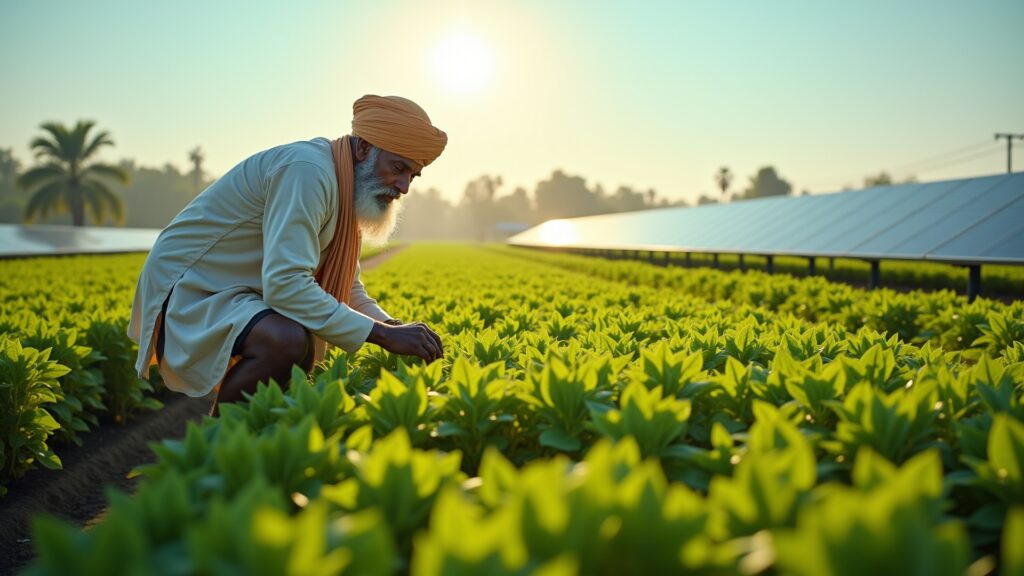
As you navigate the evolving landscape of Indian agriculture, the shift from diesel-fueled operations to solar-powered farming is more than a technological upgrade—it is a strategic revolution reshaping the very foundation of agribusiness profitability, sustainability, and growth. The government’s renewed focus on solar schemes for farmers is unlocking new layers of opportunity for your enterprise, your investments, and the rural economies you engage with.
Why This Shift in Energy Matters to Your Agricultural Business
For agribusiness leaders, investors, and policymakers, the transition to solar energy in farming is not merely an environmental initiative. It directly influences your cost structures, operational efficiency, and long-term competitiveness in an increasingly sustainability-driven marketplace. By embracing government solar schemes, you stand to reduce fuel costs, enhance energy reliability in rural areas, and expand farm profitability—cornerstones of resilient agricultural supply chains and agritech innovation.
What Is Driving India’s Solar Transformation in Agriculture?
India’s agricultural sector has traditionally relied heavily on diesel-powered pumps and machinery, a costly and carbon-intensive reality. Government solar initiatives are now vigorously promoting solar pump installations and decentralized solar energy solutions to replace diesel usage. These schemes offer subsidies, financing options, and technical support to mainstream solar energy adoption.
The ripple effects reach far beyond cost savings. Solar energy increases energy accessibility in remote areas, reducing power blackouts and fuel supply challenges that have historically hindered production cycles.
Impact on Market Dynamics and Policy Frameworks
The push for solar energy in farming creates a transformative market environment. For Indian agribusinesses, this translates into:
- Reduced operational costs: Lower dependence on diesel cuts variable costs significantly.
- Improved sustainability metrics: Aligns agribusinesses with global ESG standards, enhancing attractiveness to international investors.
- Enhanced rural energy infrastructure: Catalyzing broader rural economic development through reliable power.
- Policy incentives: Facilitating financing and scaling models for agritech startups and solar technology providers.
Government policies are increasingly integrating renewable energy mandates with agricultural development, signaling long-term strategic commitment to energy innovation in rural farming.
Strategic Insights on Navigating This Energy Shift
To harness the full benefits of government solar schemes, you must align your strategic decisions with both policy parameters and emerging technology trends. Consider:
- Investing in solar infrastructure: Evaluate opportunities to integrate solar pumps and panels within your current agribusiness operations or portfolio companies to reduce energy cost volatility.
- Partnering with local stakeholders: Collaborate with state agencies, agritech firms, and farmer cooperatives to ensure broad-based adoption and operational success.
- Focusing on innovation: Explore smart solar-powered irrigation and energy management technologies that optimize power use and enhance farm productivity.
- Monitoring policy evolution: Stay attuned to changing government subsidies and grid integration policies that could affect returns.
Practical Takeaways: Your Next Steps in Farm Energy Innovation
- Understand government programs in depth: Get to know the eligibility, incentives, and support mechanisms within solar schemes.
- Assess energy cost savings: Quantify diesel replacement benefits to your bottom line and forecast long-term profitability improvements.
- Identify partners and vendors: Vet credible solar technology suppliers who provide turnkey solutions suited for agricultural applications.
- Integrate sustainability into your brand narrative: Communicate your adoption of solar initiatives as part of your ESG strategy to attract investors and customers.
Insightful Reflections
“In agriculture, timing is rarely just operational — it is strategic.”
“The real opportunity is not in reacting late, but in understanding where the market is moving next.”
“When policy, technology, and farm economics align, growth becomes more scalable.”
Risks and Challenges in the Transition
While the benefits are compelling, the solar shift also presents challenges you need to mitigate smartly. Initial capital expenditure remains significant despite subsidies, requiring careful financial planning. Infrastructure integration poses technical hurdles, especially in areas with limited grid connectivity. Moreover, operational training and maintenance models must be developed to ensure system longevity and efficiency.
Avoid treating solar adoption as a one-size-fits-all solution—tailor strategies to local conditions, crop types, and energy demand profiles.
What to Track Next in the Evolving Landscape
Keep a close eye on enhancements in solar storage technologies, government policy updates, and innovations in agritech platforms that utilize solar power smartly. Watch for emerging financing models such as solar-as-a-service, which may lower entry barriers further. Additionally, monitor how other emerging economies are leveraging similar strategies to position India competitively in the global agribusiness arena.
Conclusion: Making Solar Energy a Strategic Asset in Indian Agriculture
Your engagement with the government solar schemes marks a pivotal moment to redefine agricultural energy sourcing, drive greater sustainability, and enhance farm profitability. By strategically embedding solar energy solutions into your agribusiness operations and investments, you are not just reducing costs—you are securing long-term growth and resilience in a market that increasingly values clean energy agriculture and responsible innovation.
Embrace this transformation not as a trend, but as a foundational shift that will change how Indian agribusiness competes and thrives on the global stage.