












As a leader, investor, or decision-maker in agribusiness, the evolving dynamics of India’s organic agriculture market demand your informed attention. Akshayakalpa, Country Delight, and KisanKonnect are not merely participants in this space; they are actively redefining the organic dairy and farm produce ecosystem. Understanding their strategies is crucial to positioning your business amidst India’s fastest-growing organic segment and unlocking market growth opportunities driven by innovation, sustainability, and evolving consumer preferences.
Why India’s Organic Agriculture Market Growth Matters to You
Your ability to anticipate and respond effectively to market shifts is what separates growth leaders from followers. The organic market in India is accelerating sharply, driven by rising consumer demand, government support for sustainable farming, and advancements in supply chain technology. Companies like Akshayakalpa, Country Delight, and KisanKonnect are setting benchmarks, creating new business models and logistical frameworks in organic dairy and produce. The momentum they generate impacts sourcing strategies, pricing, investment flows, and policy dialogues that influence your strategic decisions.
What Is Happening in the Indian Organic Agriculture Sector?
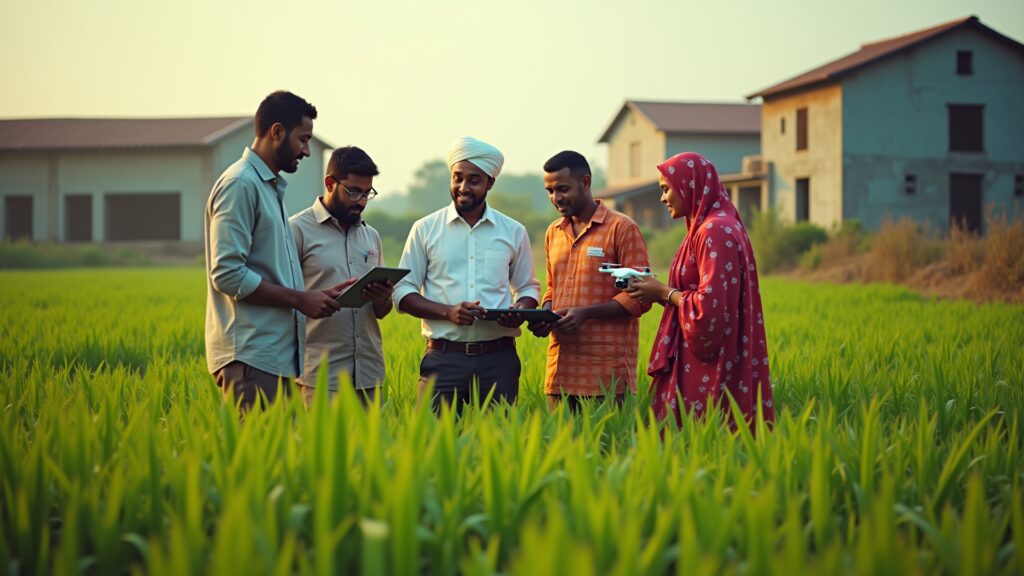
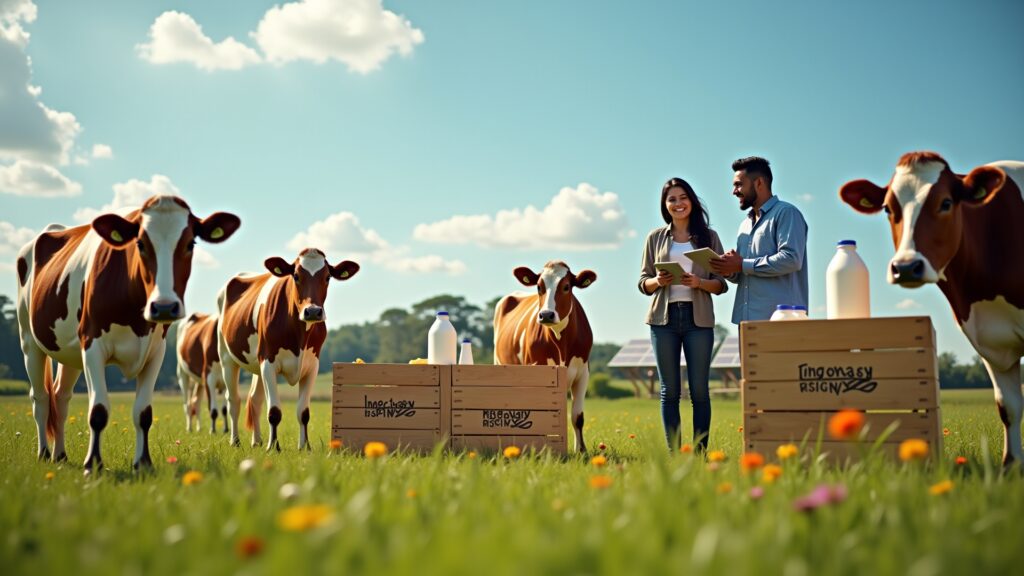
Akshayakalpa, a pioneer in organic dairy, leverages farmer-centric models and traceability technology to assure quality and build brand trust. Country Delight expands regional direct-to-consumer supply chains with digital ordering platforms, redefining freshness in organic milk and produce delivery. KisanKonnect emerges with a hybrid marketplace approach, connecting farmers directly to end consumers and institutional buyers through agritech innovations.
These companies are not just competing; they are raising the bar for sustainability and efficiency across the sector. They incorporate IoT-enabled farm monitoring, blockchain for supply chain transparency, and innovative financial models that incentivize organic farming practices among rural producers.
Key Agribusiness and Market Impacts You Should Understand
- Supply Chain Innovation: The adoption of technology-driven logistics and real-time data tracking is enhancing freshness, reducing wastage, and ensuring organic certification integrity.
- Sustainability and Policy Alignment: Their emphasis on sustainable farming practices aligns with government schemes, helping attract policy support and subsidies.
- Market Differentiation: Transparent sourcing and farmer empowerment become unique selling propositions, increasing consumer willingness to pay premium prices.
- Investment Magnetism: The clear differentiation and scalability of these business models are attracting venture capital and private equity interest.
Deeper Strategic Insights for Your Business
Strategically, what you need to glean is how technology and sustainability converge to create competitive advantages. Akshayakalpa’s integration of farm-level IoT monitoring not only guarantees quality but also boosts farm productivity and traceability — essential for premium organic branding. Country Delight’s hyper-local direct sales model cuts inefficiencies common in traditional dairy supply chains, ensuring freshness and consumer loyalty. KisanKonnect’s platform approach opens up a scalable marketplace, reducing intermediaries and enhancing farmers’ profitability.
“In agriculture, timing is rarely just operational — it is strategic.”
Your challenge is recognizing which combination of these approaches fits your business vision. Investing in agritech to bolster supply chain analytics or developing direct-to-consumer relationships could be game changers for scaling within India’s organic market.
Practical Takeaways for Agribusiness Leaders and Investors
- Understand the importance of supply chain digitization: Real-time traceability enhances trust and compliance—both vital in organic markets.
- Monitor policy developments closely: Aligning with sustainability incentives can provide financial and reputational advantages.
- Evaluate direct sales and marketplace platforms: These models reduce costs and connect consumers more intimately with organic producers.
- Encourage farmer participation: Support for rural producers through technology and finance unlocks broader organic farming adoption.
- Invest in sustainability-driven branding: Consumers are willing to pay premiums when transparency and impact are clear.
Expert Perspectives on Emerging Trends
“The real opportunity is not in reacting late, but in understanding where the market is moving next.”
“When policy, technology, and farm economics align, growth becomes more scalable.”
“Sustainable agriculture is the foundation of resilient rural economies and profitable agribusiness.”
Risks and Challenges to Navigate
While the growth trajectory looks promising, several challenges remain. Organic certification complexity and fragmentation can hinder scale. Supply chain infrastructure outside metropolitan areas requires substantial investment to maintain product integrity. Consumer education and premium pricing sensitivity also require carefully crafted marketing strategies. Additionally, smallholder farmer engagement must be continually supported to ensure consistent organic product quality.
What You Should Watch Next in India’s Organic Market
Keep an eye on evolving agritech innovations such as blockchain applications for supply chain transparency, AI for demand forecasting, and fintech solutions tailored for organic farmers. Policy reforms focused on organic agriculture subsidies and export facilitation will also significantly reshape market dynamics. Moreover, assess how consumer behavior shifts post-pandemic influence organic product adoption patterns regionally.
Conclusion: Positioning Your Business Amid India’s Organic Market Growth
As you strategize your next move in India’s burgeoning organic agriculture India segment, Akshayakalpa, Country Delight, and KisanKonnect offer critical lessons. Their blend of technology, sustainability emphasis, and innovative supply chain management provides a blueprint to capitalize on rising consumer demand and policy momentum. By understanding these market leaders, you can identify actionable paths to drive profitability, foster rural economies, and future-proof your agribusiness in a rapidly transforming industry.
Integrating digital technologies and sustainability into your agribusiness strategy is no longer optional—it is imperative for thriving in the evolving organic market landscape.