
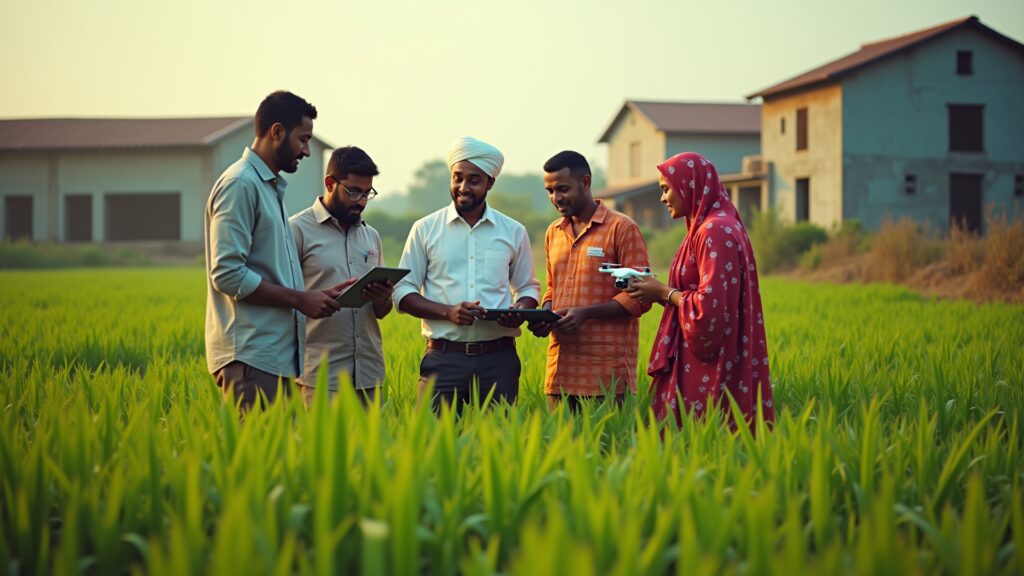













As the ripple effects of Middle East tensions unsettle global commodity markets and disrupt supply chains, you stand at a pivotal crossroads. India’s agricultural sector—an integral cog in the nation’s economic machinery—faces unprecedented pressure to adapt swiftly. The urgency for India farm reforms has never been clearer, with strategic decisions you make today shaping the resilience and profitability of your agribusiness tomorrow.
Why This Matters to You
If you lead or invest in agribusiness in India, the Middle East tensions’ impact is not abstract—it directly influences your supply chain costs, export viability, and rural economy stability. Agricultural policies that once seemed adequate are now under the microscope. This is your moment to anticipate shifts, recalibrate risk management, and engage with reforms that secure your competitive edge in uncertain times.
What Is Happening
Geopolitical instability in the Middle East is sending shockwaves through oil prices, shipping routes, and commodity supplies. India’s agricultural exports, particularly those reliant on container shipping and energy-intensive processing, are vulnerable. At the same time, domestic rural economies—tied intrinsically to farming income and employment—are at risk of volatility. Against this backdrop, calls for urgent farm reforms are growing louder to stabilize production, improve market access, and buffer against external shocks.
Key Business and Market Impact
For agribusiness leaders like you, the current scenario demands a recalibration of strategic priorities. Here’s what’s at stake:
- Supply Chain Disruptions: Volatile shipping costs and delays threaten timely export deliveries, impacting contracts and revenues.
- Commodity Price Fluctuations: Increased input costs from energy dependence can erode farm profitability and investor confidence.
- Policy Uncertainty: Ambiguities in agricultural reform timelines create hesitation in investment and scaling.
- Rural Economic Stability: Farmers’ vulnerability to price shocks puts rural employment and income at risk, with cascading effects on demand and social fabric.
Strategic Analysis: Navigating Through the Complexity
Amid these challenges, strategic farm reforms can serve as a vital lever. Prioritizing policy measures that enhance market integration, reduce intermediaries, and promote technological adoption will fortify the sector’s resilience. Consider these dimensions:
- Policy Innovation: Reforms that streamline export procedures and incentivize value-added processing will boost your operational efficiency.
- Financial Instruments: Strengthen risk management with robust agri-finance tools, including crop insurance and hedging mechanisms to cushion against market volatility.
- Technology and Data: Harness agritech solutions for real-time supply chain visibility and precision farming to optimize resource use amidst cost pressures.
- Sustainability Focus: Embed climate-resilient practices within your operations to withstand environmental risks and meet evolving global standards.
“In agriculture, timing is rarely just operational — it is strategic.” This rings especially true now, as you weigh how and when to integrate reforms into your business model.
Practical Takeaways: What You Should Do Next
- Evaluate your current supply chain vulnerabilities tied to Middle East tensions and diversify logistics routes wherever possible.
- Engage proactively with policymakers to shape reform frameworks that address your sector-specific challenges.
- Invest in financial risk management tools to protect your farm business against commodity price swings.
- Leverage agritech innovations to enhance transparency, efficiency, and sustainability across your operations.
- Monitor global geopolitical developments continuously to adjust your agricultural investment strategies dynamically.
“The real opportunity is not in reacting late, but in understanding where the market is moving next.” Keeping this mindset will empower your strategic decision-making.
Expert Considerations: Balancing Risks and Opportunities
While reforms promise greater stability, transition phases harbor risks. Policy delays or inconsistent implementations could stall growth and heighten risk exposure. You must prepare for potential disruptions by maintaining agile business models and diversified portfolios. Collaborating across stakeholders—farmers, government, investors—will be key to mitigating uncertainties.
Risks and Challenges Ahead
- Implementation Lag: Slow reform rollouts could prolong market inefficiencies.
- Global Market Volatility: Ongoing geopolitical uncertainties mean persistent supply chain risks.
- Farmers’ Adaptability: Resistance or lack of awareness among smallholders may constrain reform benefits.
- Environmental Pressures: Climate-induced challenges require integrated approaches beyond immediate policy fixes.
What You Should Watch Next
Monitor government announcements on agricultural policy reforms and export strategies, especially those focused on enhancing supply chain resilience. Keep an eye on shifts in Middle East geopolitics that influence crude prices and logistics. Track investment trends in agritech and sustainable farming models as these will signal future growth corridors.
Conclusion: Positioning Yourself for Sustainable Growth Amid Uncertainty
India farm reforms are no longer a distant policy debate; they are an immediate strategic necessity as Middle East tensions reshape global agriculture dynamics. By aligning your business strategies with these reforms, you safeguard your export routes, stabilize your farm income, and reinforce rural economy resilience. The opportunity to lead through this turbulent period lies in proactive adaptation, insightful risk management, and embracing innovation.
“When policy, technology, and farm economics align, growth becomes more scalable.” Your leadership in navigating these complex times will determine not only your business’s future but the broader trajectory of Indian agriculture’s role on the global stage.