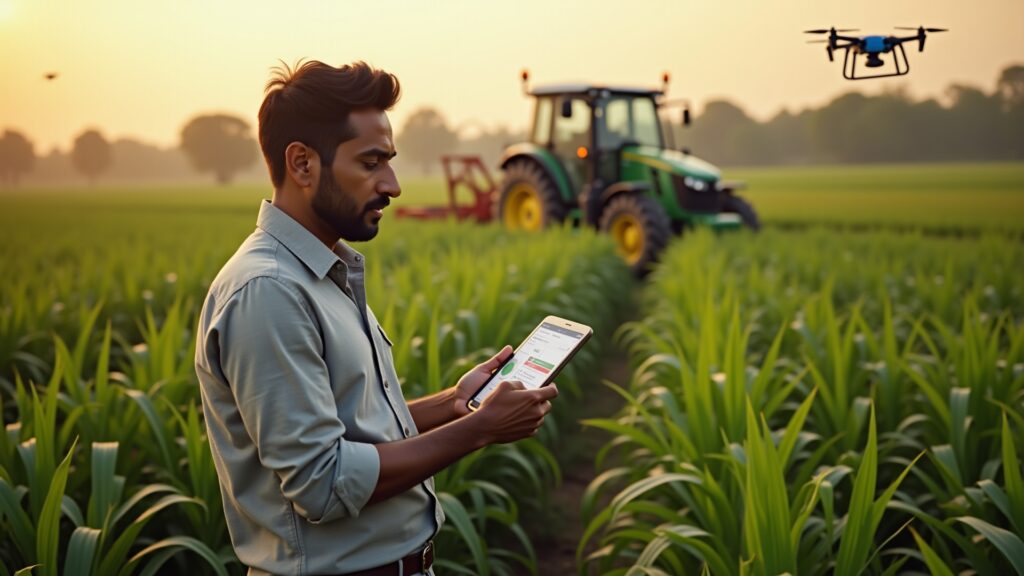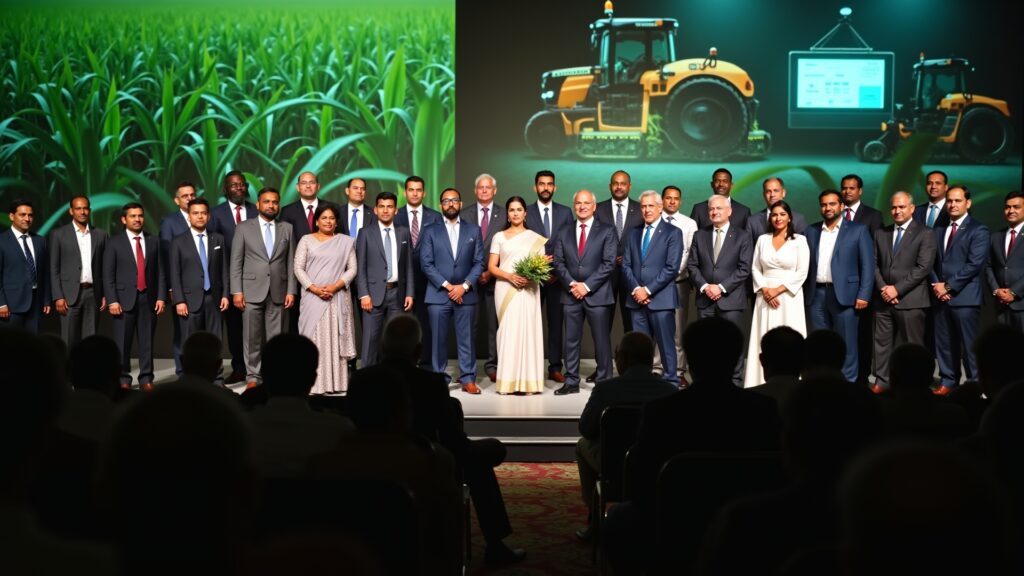
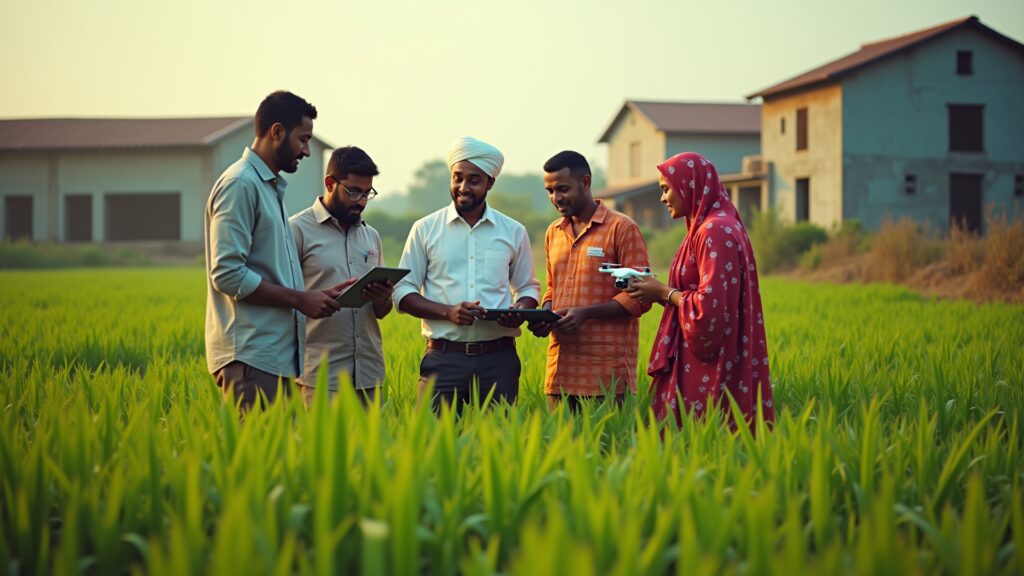









As an agribusiness leader or investor navigating the evolving landscape of agriculture, you understand that talent development shapes the fate of your enterprise and the sector at large. Godrej Agrovet’s launch of the Disha Programme is a pivotal move that demands your attention—not merely as an initiative focused on gender diversity, but as a strategic intervention that equips women with the skills to lead and innovate within agribusiness. This programme is more than corporate social responsibility; it’s a key lever to strengthen your leadership pipeline and unlock new market opportunities in India’s rapidly transforming rural economy.
Why the Disha Programme Matters to Your Agribusiness
In your role, addressing leadership gaps is critical to sustaining growth and competitiveness. The agriculture sector worldwide, and especially in India, faces a leadership and talent shortage aggravated by underrepresentation of women. By investing in women’s industry readiness through programmes like Disha, you stand to benefit from broader perspectives, enhanced decision-making, and innovation. This is not theoretical—it correlates with improved business outcomes, sustainable practices, and more resilient supply chains.
Moreover, as agritech advances and policy landscapes favor sustainability and inclusive growth, the demand for sophisticated leadership increases. The Disha Programme aligns perfectly with this trend, preparing women leaders who can navigate complex challenges—digital innovation, climate change adaptation, market volatility—and seize emerging opportunities.
What the Disha Programme Is Doing
The Disha Programme by Godrej Agrovet is a strategic upskilling initiative geared towards creating a cadre of women professionals ready to take on leadership roles in agribusiness. It focuses on imparting domain expertise, managerial skills, and agritech acumen—developing professionals who can drive innovation and operational excellence simultaneously.
Unlike typical gender diversity drives, it integrates business acumen with sector-specific knowledge, empowering women to participate in strategic decision-making processes. This approach addresses a structural talent gap by directly linking training with industry demands, improving career trajectories and leadership pipelines within the agribusiness ecosystem.
Impact on Agribusiness, Policy, and Market
From your perspective, the Disha Programme can reshape talent dynamics across multiple layers:
- Business Growth: By harnessing diverse leadership, your business can explore new markets and products, supported by a leadership team that understands customer needs and sustainability imperatives.
- Rural Economy Strengthening: Empowering women leaders in agribusiness enhances rural employment and entrepreneurship, feeding back into stronger local economies—essential for sector stability.
- Policy Alignment: The programme supports government goals for gender equality and rural development, positioning participants and partnering companies favorably for policy incentives and partnerships.
“In agriculture, timing is rarely just operational—it is strategic.” The Disha Programme hits the strategic timing to infuse much-needed diversity and skills to your leadership cadre.
Strategic Insights on the Programme’s Potential
Why should you integrate a focus on women’s leadership via programmes like Disha into your strategic planning?
- Talent Sustainability: Your succession plans and leadership pipelines need to reflect the demographics and critical thinking styles of tomorrow’s market—women leaders trained comprehensively provide this balance.
- Innovation Catalyst: Women leaders tend to nurture collaborative, innovative environments critical in agritech and sustainable agriculture. This cultural shift can accelerate your business innovation cycle.
- Brand and Investment Appeal: Demonstrable commitment to inclusion boosts your brand among consumers and attracts ESG-focused investors prioritizing gender diversity and sustainability.
“The real opportunity is not in reacting late, but in understanding where the market is moving next.” The Disha Programme equips you to lead that transition rather than chase it.
Actionable Takeaways for Agribusiness Leaders Like You
- Evaluate your current leadership diversity and talent development strategies—identify gaps where women leaders could be nurtured for key roles.
- Consider partnerships or adaptations of programmes like Disha within your enterprise or region to build a pipeline of industry-ready women leaders.
- Monitor policy incentives and sustainability frameworks favoring gender-inclusive agribusiness models to optimize your compliance and opportunity capture.
- Invest in continuous training blending agritech, business leadership, and sustainability—areas in which Disha sets a benchmark.
Expert Reflections on Building Women Leadership in Agribusiness
“When policy, technology, and farm economics align, growth becomes more scalable.”
“Leadership in agribusiness today demands both empathy and innovation—traits inherently strengthened through diverse, inclusive programs.”
“Strategic talent development is not just HR work; it is a fundamental pillar of sustainable agribusiness success.”
Risks and Challenges You Should Be Aware Of
While the Disha Programme is a forward-thinking model, integrating such initiatives presents challenges. Institutional resistance and traditional mindsets can slow the acceptance of women in leadership roles. Additionally, ensuring systematic upskilling requires sustained investment and a culture shift—not just one-off training.
You must also watch for the sustainability of such programmes beyond pilot or launch phases, ensuring they evolve with the changing dynamics of agribusiness and technology.
What to Monitor Moving Forward
Keep an eye on the programme’s expansion and the concrete career advancements of its participants. Tracking this will provide you with insights into effective talent development models. Also watch for governmental policies and industry trends supporting diversity and inclusion—these will shape the commercial viability of these initiatives.
Finally, observe how agritech innovation intersects with leadership development: the businesses that successfully integrate new technologies and diverse leadership will likely set the benchmarks for success.
Conclusion: Embracing Disha as a Strategic Imperative
Godrej Agrovet’s Disha Programme is not just a social initiative but a strategic blueprint for building resilient, innovative agribusinesses powered by women leaders. For you, as someone shaping the future of agribusiness, it highlights the transformational potential of focused talent development and diversity in leadership. Embracing and learning from such initiatives will position your business to thrive amid evolving market demands, regulatory landscapes, and sustainability imperatives.
The journey to sustainable agriculture leadership is multifaceted—embracing gender diversity through programmes like Disha equips you with a more capable, visionary leadership team ready to meet future challenges head-on.