
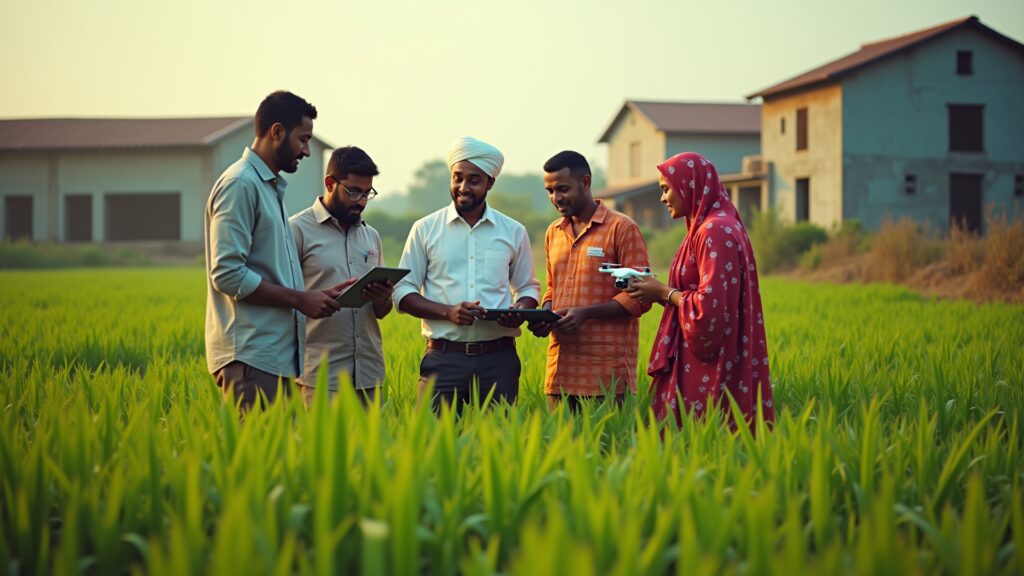













Your decisions as an agribusiness leader, investor, or policymaker in India’s agricultural sector have never been more consequential. The country’s hunger challenge, long perceived as a crisis of food quantity, is revealing itself as a far more complex issue—rooted deeply in how agriculture operates, innovates, and connects with markets. To secure not only food security but sustainable agricultural growth, you must understand how India’s next big hunger fix transcends traditional approaches and demands a sweeping business and innovation-driven transformation.
Why This Transformation Matters to You
For you steering agribusiness or shaping agricultural policy, this evolution isn’t just a topic for study—it is a strategic imperative. Traditional production-focused tactics can no longer sustainably address hunger when issues persist around farm profitability, rural economic development, supply chain inefficiencies, and financing gaps. Your ability to leverage agritech, optimized supply chains, and innovative farm finance models can unlock productivity, reduce waste, and improve farmers’ livelihoods. This, in turn, stabilizes markets and creates resilient food systems critical for long-term growth.
What is Driving the Shift in India’s Hunger Solutions?
India’s fight against hunger is transforming from simple food distribution frameworks to a sophisticated model blending agribusiness innovation and policy support. Four catalysts illustrate this shift:
- Agritech Advancements: Precision agriculture, AI-driven analytics, and IoT-based monitoring are enabling smarter crop management and yield improvement.
- Supply Chain Optimization: Streamlining logistics and cold storage infrastructures is reducing post-harvest losses and improving food accessibility.
- Rural Economy Enhancement: Empowering rural enterprises and creating agri-value chains boosts farmer income and local employment.
- Innovative Farm Finance Models: Customized credit, insurance, and investment schemes tailored to rural realities enhance farm-level financial resilience.
These forces combined signal a shift from reactive food relief to proactive agricultural prosperity strategies.
Strategic Implications for Your Agribusiness and Investments
As an agribusiness professional or investor, recognizing the interplay between technology, finance, and policy will redefine competitive advantage in the Indian agriculture sector. Key implications include:
- Investing Wisely in Agritech: Target solutions enhancing yield, resource-use efficiency, and climate resilience.
- Capitalizing on Supply Chain Innovations: Explore partnerships in cold storage, logistics, and blockchain for traceability to meet quality standards demanded by urban and export markets.
- Supporting Rural Economy Growth: Invest in agrivalue chain development that connects smallholders to premium markets, raising incomes and reducing poverty.
- Engaging with Progressive Farm Finance: Back models that reduce farmer vulnerability, enabling sustainable farm investments and adoption of advanced technologies.
Understanding these dynamics helps you position your business to lead the transformation rather than react to it.
Deep Dive: Why Agricultural Innovation is Central to Hunger Solutions in India
The core of India’s agriculture revolution lies in innovation that integrates technology with business processes. Innovation is not just about new gadgets; it’s about embedding data-driven decision-making from farm to market. It means deploying AI to forecast weather impacts, blockchain to ensure transparent supply chains, and mobile platforms to provide farmers timely access to markets and credit.
Adopting such innovations improves farm profitability and food availability simultaneously. Moreover, it aligns with sustainability goals—reducing waste, conserving water, and minimizing chemical use—thus contributing to the resilience of India’s agricultural ecosystems.
“When policy, technology, and farm economics align, growth becomes more scalable.”
Practical Takeaways for Agribusiness Leaders and Investors
- Understand the evolving hunger landscape: Hunger in India is linked to complex systemic factors including supply chain bottlenecks and farm distress.
- Monitor agritech trends closely: Precision farming, AI, and digital finance are reshaping how food is produced and distributed.
- Prioritize supply chain investments: Cold storage, logistics, and transparency technologies are critical areas for reducing losses and ensuring farm-to-fork efficiency.
- Engage with rural economic development models: Strengthen inclusive market access and value addition processes.
- Advocate for and utilize innovative finance: Support credit and insurance schemes that promote sustainable farm income growth.
“In agriculture, timing is rarely just operational — it is strategic.”
Risks and Challenges Ahead
Your journey through this revolution will encounter obstacles—from inadequate rural infrastructure and fragmented markets to policy execution gaps and financial literacy constraints among farmers. Additionally, the pace of technology adoption remains uneven, meaning you must hedge risks and build capacity patiently.
Careful navigation requires balancing short-term operational risks with long-term strategic gains. Avoid overreliance on any single solution; instead, pursue integrated innovations that reinforce each other within the agribusiness ecosystem.
What Should You Watch For Next?
Keep an eye on government policies that increasingly favor digital agriculture and rural enterprise schemes. Also, watch venture capital movements in agritech startups, which often signal emerging business models and technologies you can adapt or invest in. Additionally, monitor evolving consumer preferences for sustainable and traceable food, which will shape supply chains and market entry strategies.
Conclusion: Positioning Yourself in India’s Agribusiness Hunger Revolution
Addressing India hunger solutions today demands that you move beyond old paradigms of food production and distribution. It requires a strategic fusion of business innovation, technology, policy, and finance aimed squarely at transforming the agricultural value chain. By embracing this revolution, you not only contribute to sustainable hunger mitigation but also unlock significant market opportunities in one of the world’s largest and most dynamic agricultural economies.
Strategic foresight, informed investments, and active engagement in agritech and supply chain innovation will distinguish you as a leader in this critical evolution of India’s agriculture landscape.
“The real opportunity is not in reacting late, but in understanding where the market is moving next.”