
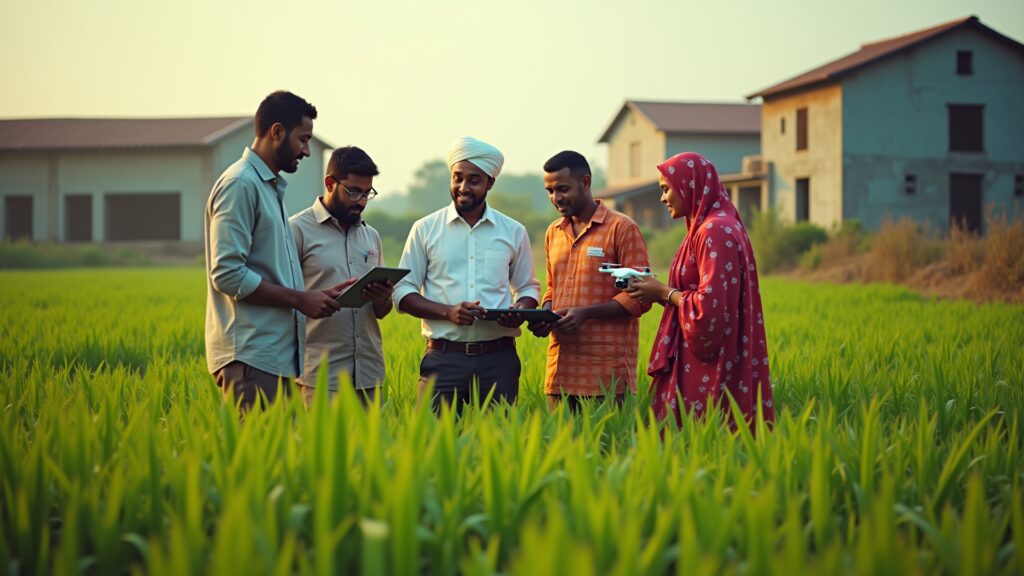












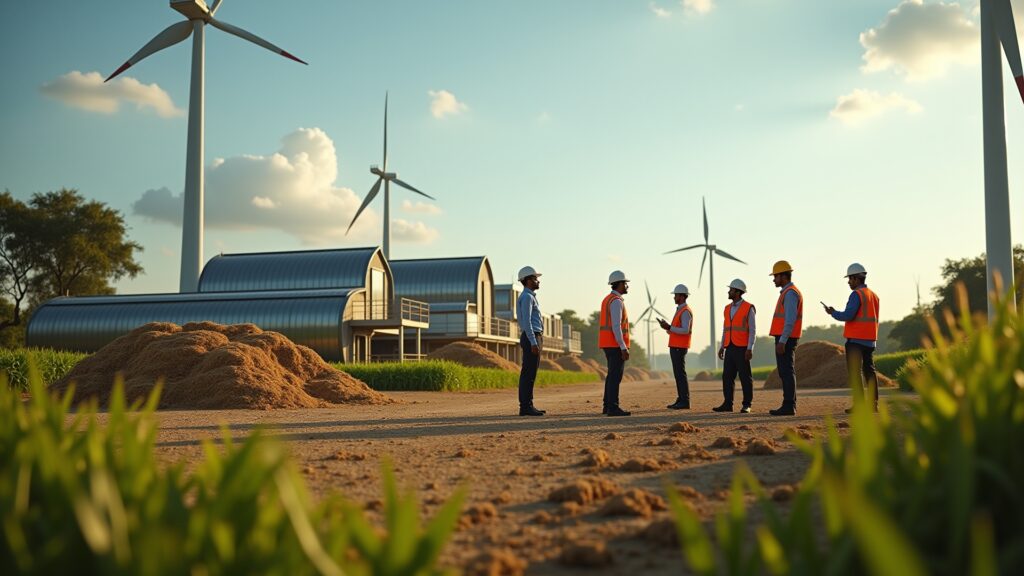
As a leader in agribusiness or an investor with a stake in agriculture and energy sectors, you must recognise the immense potential tucked away in India’s agricultural waste. This is not just about reducing residue open burning or managing waste efficiently—it’s a strategic pivot that could redefine energy markets, bolster rural economies, and advance your sustainability goals. India’s agricultural waste, often viewed as a disposal challenge, is increasingly becoming a cornerstone in the country’s energy transition narrative. Understanding and leveraging this shift could place your business at the forefront of agritech innovation and sustainable development.
Why This Matters to You
Your decisions today around agricultural waste management can directly influence the profitability of your operations and transform how rural economies integrate with clean energy markets. By tapping into agricultural residues, you open new revenue streams while aligning with global sustainability mandates and national energy policies. This is not peripheral greenwashing—it’s a substantive strategy combining policy incentives, technology adoption, and market demand, empowering you to lead industry transformation.
What Is Happening: From Stubble to Strategic Asset
India generates over 500 million tonnes of agricultural residues annually, with a substantial fraction currently disposed of through methods that harm the environment, such as stubble burning. However, recent policy frameworks, technological advances, and investment interests are converging to transform this biomass into valuable feedstock for bioenergy production—spanning biofuels, biogas, and biomass-based power generation.
Programs by the Indian government to promote bioenergy, combined with private sector innovation, are scaling the conversion of waste into clean energy. This shift is supported by evolving agribusiness models that integrate supply chain optimization, residue aggregation, and energy market linkages, creating robust rural value chains.
Key Business and Policy Impacts Affecting Your Agribusiness
- Policy Synergy: Central and state government policies incentivize bioenergy projects, providing subsidies and regulatory support that reduce risks and enhance returns.
- New Market Opportunities: Agribusiness owners can capitalize on supplying energy producers with biomass, creating supplementary income beyond traditional crop sales.
- Technology Leadership: Adoption of advanced biomass conversion technologies offers competitive differentiation through enhanced efficiency and sustainability credentials.
- Rural Economy Integration: Energy projects foster local employment, support farm incomes, and stimulate ancillary businesses in rural regions.
Strategic Analysis: Aligning Agribusiness Strategy with Energy Transition Trends
Strategically, viewing agricultural waste as an asset shifts your business from conventional farming towards integrated agritech and energy enterprises. This transition demands a forward-looking approach: invest in partnerships, leverage precision agriculture for optimized residue collection, and engage with government schemes early to maximize benefits. Positioning your agribusiness within this circular economy framework enhances resilience against market volatility and regulatory changes.
Moreover, global demand for sustainable energy solutions is pressuring markets to embrace bioenergy. By proactively embedding agricultural waste utilization into your strategy, you not only comply with evolving sustainability standards but also tap into growing investor appetite for responsible agribusiness models.
Practical Takeaways for Your Agribusiness Leadership
- Understand your residue potential: Assess the type and volume of agricultural waste your operations generate and identify viable energy conversion pathways.
- Monitor policy developments: Stay updated on bioenergy incentives, emissions regulations, and rural development funds that can impact project economics.
- Build strategic collaborations: Engage with energy companies, technology providers, and local governments to develop scalable projects.
- Innovate in supply chain management: Optimize residue collection and transportation to reduce costs and improve logistical efficiency.
- Communicate sustainability impact: Highlight your role in advancing clean energy and reducing environmental footprint to attract premium partnerships and investors.
Insightful Perspectives to Shape Your Thinking
“In agriculture, timing is rarely just operational — it is strategic.”
“The real opportunity is not in reacting late, but in understanding where the market is moving next.”
“When policy, technology, and farm economics align, growth becomes more scalable.”
Risks and Challenges to Navigate
Despite the promising outlook, challenges remain. Supply chain inefficiencies, seasonal variability in residue availability, and upfront capital costs for bioenergy infrastructure require careful management. You must also navigate evolving regulations, potential technology adoption hurdles, and community acceptance within rural landscapes. Mitigating these risks involves scenario planning, diversified investment, and proactive stakeholder engagement.
What You Should Watch Next
Keep an eye on developments in biomass-to-energy technologies such as advanced bio-refineries and anaerobic digestion systems. Policy shifts in renewable energy targets, carbon trading frameworks, and rural development schemes will influence market dynamics. Additionally, watch for emerging agritech startups and venture capital trends focusing on circular economy solutions within agriculture.
Conclusion: Seize the Strategic Opportunity in Agricultural Waste for India’s Energy Future
Your engagement with agricultural waste management is more than environmental stewardship—it’s a decisive business strategy driving India’s energy transition. By integrating agricultural residues into your agribusiness strategy, you unlock sustainable growth avenues, reinforce rural economic vitality, and contribute to a cleaner energy future. The path from stubble to strategy is clear: meet the challenge head-on to secure competitive advantage and long-term profitability in an evolving agribusiness landscape.